Keeping your project site clean is key to an efficient construction or renovation process. Because these types of projects often generate large amounts of waste, disposing of it all can be a lengthy process. Renting a dumpster is a practical solution for keeping your work site organized, and it saves you from visiting the dump multiple times. Here are several questions and answers about dumpster rentals:
How Do I Rent a Dumpster?
The rental process starts with identifying the type and amount of waste your project will likely generate, says the Fetch Home Management team. You can then select a dumpster size that suits the materials and available space on your property. Residential clients and construction projects sometimes require different container options. After choosing a container, schedule delivery for a time that fits your project timeline. The dumpster remains on site while you complete the cleanup, and pickup follows the agreed-upon schedule. If you need to extend your rental due to unexpected delays, contact your provider to discuss your options.
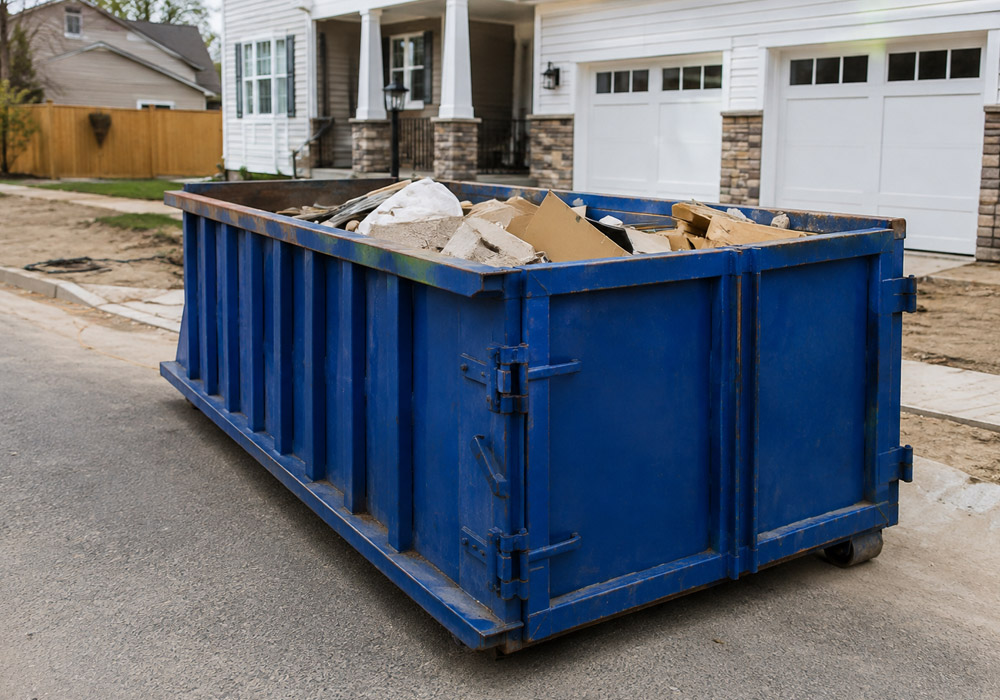
During the rental process, you can also determine where to place the dumpster. The location of your container affects how easily you’re able to load waste. A driveway or designated area on your property provides convenient access during a home project, but the location should not block entrances, sidewalks, or other areas that require regular access. Construction sites may have designated areas for dumpsters. This allows them to be placed without interfering with ongoing work.
What Size Container Do I Need?
A dumpster rental provides a designated place for waste, helping keep your property or worksite organized, and every project has different waste disposal requirements. To determine the right capacity for your dumpster rental, factor in the project size and type of waste material. The duration of your project may also contribute to your choice. Waste containers come in various sizes, including:
- 10 yards
- 15 yards
- 20 yards
- 30 yards
- 40 yards
For clearing out clutter or completing a small remodeling project, a 10-yard dumpster should be sufficient. Larger projects, such as roof replacements or new home construction, may require a 30- or 40-yard container. When unsure of the appropriate size, consult your dumpster rental company to discuss their previous projects and receive additional clarification.
What Materials Are Appropriate?
Before selecting from the various dumpster sizes available, it’s helpful to know which materials are appropriate for disposal. This helps you avoid adding prohibited materials; hazardous waste, batteries, electronics, and chemicals should not be placed in dumpsters. When you rent a container, you may receive a list of banned materials, but don’t hesitate to ask your rental company about specific items.
Roofing materials and renovation waste are among the materials allowed in dumpsters. Other items you may be able to put in your dumpster include:
- Broken furniture
- Old clothing and belongings
- Yard debris
- Concrete and bricks
- Scrap metal
How Is the Waste Handled?
The amount of waste you can place inside the dumpster is affected by how you load it. Heavy materials, such as concrete and bricks, should be evenly distributed throughout the container. Avoid placing waste above the fill line; loose materials can fall during transportation.
Some waste materials also require different handling methods, so separate restricted items before loading begins. Construction debris can be placed in the dumpster, while hazardous materials require alternative disposal methods. Following the provider’s loading guidelines helps contain waste safely during pickup and transportation.
The pickup date depends on how long you need the dumpster for your project. For short-term cleanouts, you may schedule pickup to occur after a few days, such as over the weekend. Larger construction projects sometimes need the dumpster longer because debris continues to accumulate. Some projects also require more than one round of waste removal, and an empty-and-return service can support these situations. Once the dumpster is full, it is removed and returned when another container is needed. This keeps waste disposal organized throughout projects that generate debris over several days or weeks.
Learn More About Dumpster Rentals
A dumpster provides a practical way to manage waste during renovations, cleanouts, roofing projects, and construction work. The right container depends on your project size and expected waste materials; your available placement area is also a factor. Understanding the rental process helps you prepare for successful delivery, loading, and pickup. Contact a dumpster rental provider to find a container that fits your project needs.