Quick Facts
| Field | Details |
|---|---|
| Name | Leah Kreitz |
| Born | Los Angeles, CA (exact date not publicly listed) |
| Based in | Brooklyn, New York |
| Education | BA, Stage & Screen Acting — University of Nevada, Las Vegas |
| Notable screen role | Aryn in Dash & Lily (Netflix series premiered Nov 10, 2020) |
| Company | Co-founder, Hapa Media |
| Family (public) | Identical twin sister Dana Kreitz; partner/husband Gabe Quiroga; mother Rachel (Perlas Gomez / Gomez-Kreitz) |
| Residence | Brooklyn (public social posts) |
| Artistic practice | Actor, writer, producer; theatre resident artist; indie film & shorts |
Early life and family — a dual mirror
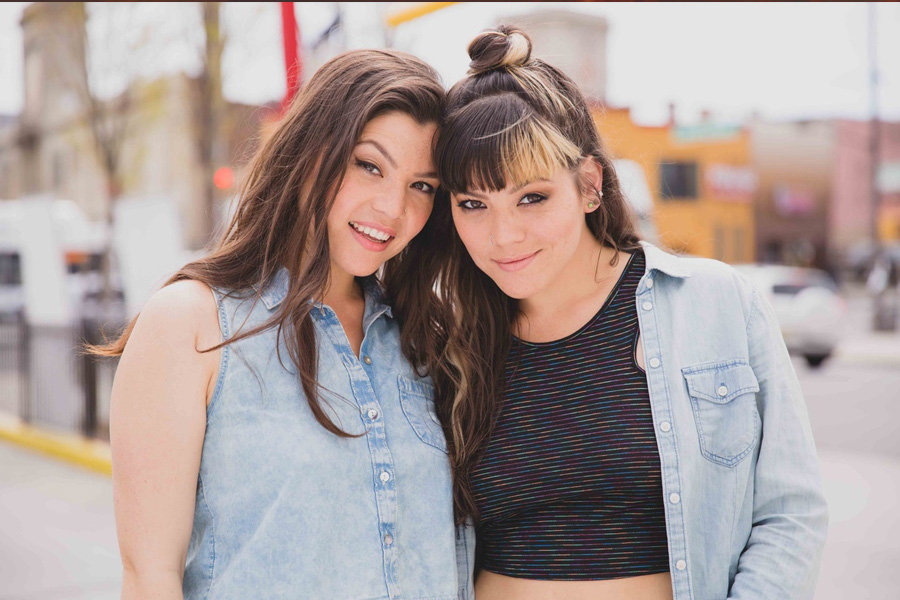
Leah Kreitz’s origin story reads like a braided melody: Los Angeles beginnings, Las Vegas upbringing, Filipino family performances, and a twin who doubled both the work and the witness to every step. The twin relationship—Leah and Dana—functions as a creative mirror. Twins in the theatre world are often shorthand for uncanny synchronicity; in Leah’s case, it’s also an engine for collaboration. That partnership evolved into a production impulse: together they helped found Hapa Media, a small company that names and explores mixed-race and hapa identities.
Family appears as both context and compass. Publicly available details identify Leah’s mother under a few variations of her name, and social posts occasionally surface mentions of other siblings and extended family. Those mentions are intimate brushstrokes rather than full portraits: captions that reference an older sister, photographs at family gatherings, the small domestic claims of married life—like a cat named Cecilia—paint a private life that feeds the creative one. The personal and the professional here are not separate rooms; they share the same light.
Training and theatre roots — the ground beneath the feet
Leah’s formal training—she holds a BA in Stage & Screen Acting from UNLV—anchors a career that reads theatre first and screen second. The training shows in choices: residency with a New York theatre project, ensemble work, and a steady string of short films and independent productions. In the theatre world she is described as a resident artist, which often signals both sustained collaboration and an investment in risk—roles that demand endurance and an appetite for the unvarnished.
Theatre is where an actor learns to measure silence and breath; Leah’s transition between stage and screen retains that sensibility. Her acting résumé (publicly summarized) includes a mix of stage roles and small production credits, and the rhythm of those early years—rehearsal, run, rewrite—remains visible in the way she and her collaborators develop new work through Hapa Media.
Breakthrough on screen — the numbers that matter
Leah’s most widely seen role to date is Aryn in the Netflix series Dash & Lily, which premiered on November 10, 2020. A spot on a global streaming platform acts like a widening lens: suddenly a performer’s past work is discoverable by new audiences, and the small theatrical choices appear in a new light. The series is a milestone in a career built across smaller stages and independent sets. It’s also a concrete marker in time—Nov 10, 2020—that punctuates a string of quieter, local achievements.
Beyond the series, Leah’s screen credits include short films and production department work. These pieces form a mosaic rather than a straight line: occasional commercial credits, independent shorts, and creative producing that signals a desire not just to perform, but to originate and shepherd stories.
Hapa Media and producing — building a platform
Co-founding Hapa Media with her twin sister reframes Leah not only as a performer but as a maker. The company’s mission is visible in its emphasis on hapa and mixed-race narratives; this is work that aligns identity with industry. Producing—especially at the indie level—means juggling budgets, festivals, scripts, and stubborn logistical realities. Leah’s move into producing reflects a common pattern among mid-career theatre and film artists who want to change the menu of stories available to audiences rather than wait for permission to tell them.
Production work is less glamorous than the word implies: it is hours spent lining up crew, negotiating festival deadlines, and reconciling creative impulses with fiscal reality. But it is also power. A single indie project, if it finds the right festivals or the right viewers, can be the hinge that opens doors. Leah’s producing activity suggests she’s aiming for those hinges.
Public life and recent activity — presence without parade
Leah’s public footprint is modestly active. Social platforms show project updates, behind-the-scenes photographs, and domestic glimpses—snapshots of rehearsals, of late-night script scribbles, of a cat curled on a couch. These are not the spectacle of celebrity; they are the steady beats of a working artist.
Press and lifestyle mentions occasionally register: appearances in social columns or event roundups surface her in the wider arts and social geography of New York. Meanwhile, Hapa Media continues to list items in development and production; those project listings read like promises in mid-construction rather than finished monuments. That, too, is revealing. Many artists’ careers are less about single, luminous achievements and more about a series of projects that accumulate into a distinct body of work.
Extended timeline (selected dates & markers)
| Year/Date | Event |
|---|---|
| Born | Born in Los Angeles (exact birthdate not publicly listed) |
| — | Grew up partly in Las Vegas; early family performances with Filipino heritage context |
| — | Completed BA in Stage & Screen Acting at UNLV (date not publicly listed) |
| 2010s | Theatre work and short film production credits (theatre residencies; local productions) |
| Nov 10, 2020 | Dash & Lily premiered on Netflix — Leah credited as Aryn |
| 2020s (ongoing) | Continued theatre, indie film, producing; Hapa Media projects in development; Brooklyn residence |
Portrait of an artist in motion
Leah Kreitz’s career reads like a series of small, deliberate reveals rather than flashbulb moments. She is an artist who collects roles and produces stories. Her collaborative life—with a twin sister who is also a creative partner, with a spouse who works in adjacent creative fields, and with a family whose cultural threads surface in performance—creates a network that nourishes the work. The arc is familiar to anyone who watches theatre circles: training, ensemble work, a visible break on a streaming platform, then a turn toward authorship and producing. Yet even familiar arcs have unique inflections; Leah’s are threaded with mixed-heritage storytelling and twinship, factors that both complicate and enrich the narratives she helps bring to life.
Her public presence—measured, project-focused, occasionally social—does not trade intimacy for notoriety. Instead, it cultivates steady growth. For a working actor and producer, that slow accretion is often the point: to build a body of work that outlives any single season. The projects in development, the theatre residencies, and the producing credits are all ledger lines in a career being written in real time.