At a Glance
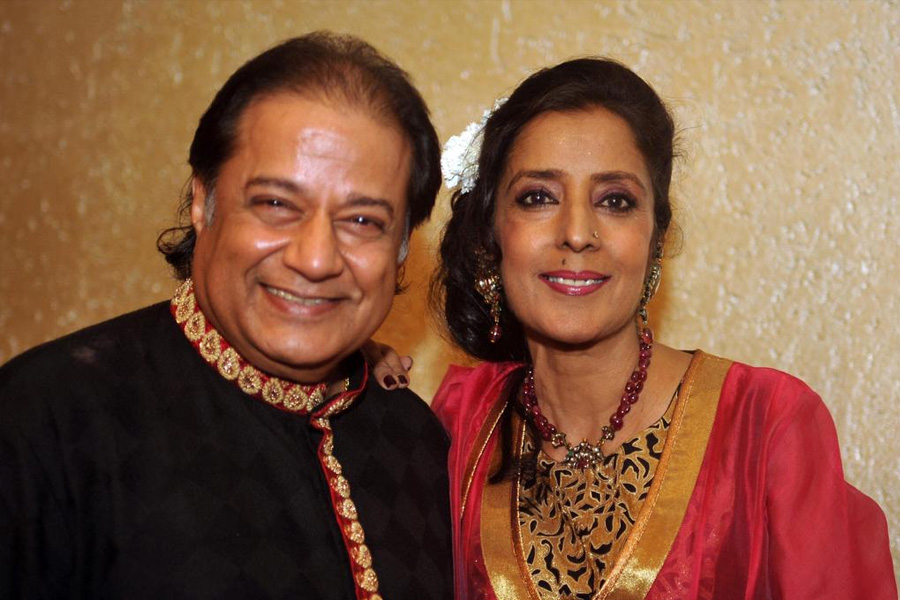
Medha Gujral — later known as Medha Jalota — moved through life like a soft melody that kept returning to the same refrain: family, music, and unbowed resilience. Born circa 1955 (one biographical note lists July 29, 1955) in Delhi, she remained a presence less for public trophies and more for the warmth she brought to intimate musical spaces and the extraordinary strength she demonstrated in illness. She died in New York City on November 25, 2014, at age 59.
| Field | Details |
|---|---|
| Full name | Medha Gujral (later Medha Jalota) |
| Birth | circa 1955 (biographical listing: July 29, 1955) |
| Death | November 25, 2014 (New York City) |
| Age at death | 59 |
| Marriages | Shekhar Kapur (divorced 1994); Anup Jalota (married 1994–2014) |
| Children | Aryaman Jalota (born 1996) |
| Musical focus | Bhajans, ghazals; trained in Indian classical vocals |
| Major medical events | Multiple severe operations, including two heart transplants and one kidney transplant; eventual liver failure |
| Notable book | Heartfelt: The Inspirational Story of Medha Anup Jalota (2013) |
Family and Relationships
The pattern of Medha’s life is woven into a larger tapestry of artists, politicians, and musicians. She belonged to a family known for public service and creative achievement, and she created her own orbit around music and caregiving.
| Relation | Name | Notes |
|---|---|---|
| Uncle | Inder Kumar Gujral | Former Prime Minister of India (1997–1998); Medha was his niece. |
| Aunt | Sheila Gujral | Poet and author; part of the Gujral household’s literary circle. |
| Cousin | Naresh Gujral | Politician; son of I.K. Gujral. |
| Ex-husband | Shekhar Kapur | Filmmaker; marriage ended amicably in 1994; no children together. |
| Husband | Anup Jalota | Bhajan singer; married 1994; musical partner and caregiver. |
| Son | Aryaman Jalota | Born 1996; Princeton graduate; based in Manhattan as of 2025. |
Medha’s first marriage — to director Shekhar Kapur — took place in the late 1980s or early 1990s and ended in an amicable divorce in 1994. That same year she married Anup Jalota, a union that became both personal and musical. Their son, Aryaman, was born in 1996 and is described as Anup’s only child.
Medha was also tied by blood to the Gujral legacy. Her uncle, I.K. Gujral, served as Prime Minister from 1997 to 1998; the family included artists and intellectuals, and Medha’s upbringing in Delhi’s elite circles shaped both her aesthetic sensibilities and access to medical treatment later in life.
Music and Public Life
Medha’s voice lived primarily in devotional and classical idioms: bhajans and ghazals. She trained in Indian classical vocals and earned recognition early on, with minor awards traced to the 1970s. Yet she did not chase the spotlight through a commercial discography or a string of solo albums. Instead she chose accompaniment and collaboration — a duet partner to Anup Jalota, a performer who shared stages in selected concerts, and a presence behind many of the devotional programs that defined that part of Indian musical life.
Numbers describe her public footprint: comparatively few recordings; numerous live appearances alongside Anup; and a legacy more measured in personal influence than in charted singles. Her public life was less a crescendo and more a series of intimate refrains — small concerts, temple performances, and the quiet work of keeping the devotional tradition alive.
Health Battles and the Measure of Resilience
Medha’s story is as much medical as musical in its later chapters. From the early 2000s through 2014 she fought chronic, severe heart disease. The sequence of operations was extreme: the bio-summary notes two heart transplants and one kidney transplant among multiple surgeries. Eventually liver failure — a complication of those transplants — led to her passing in November 2014.
The facts read like a medical odyssey: years of treatment, care in foreign medical centres, and the family’s commitment to organ-donation advocacy in the wake of personal tragedy. Anup Jalota stood at her bedside through those years. The sacrifices were obvious: long hospital stays, the logistical complexity of transplant medicine, and the emotional toll on a small family that included a son born amid the turbulence — 1996.
That medical trajectory transformed Medha into an emblem of resilience. She became a quiet public figure in organ-donation circles; the book published in 2013, Heartfelt, framed her life story as an inspiration. Her illness did not erase the music: if anything, it intensified the image of a life lived in duet — one voice paired with another until the end.
Timeline: Key Dates and Numbers
| Year / Period | Event |
|---|---|
| circa 1955 | Birth of Medha Gujral (biographical listing: July 29, 1955) |
| 1970s | Early singing career; minor awards for vocal performance |
| Late 1980s / early 1990s | Marriage to Shekhar Kapur (date approximate) |
| 1994 | Divorce from Shekhar Kapur; marriage to Anup Jalota |
| 1996 | Birth of son, Aryaman Jalota |
| 2000s–2014 | Long-term battle with heart disease; multiple transplants |
| 2013 | Publication of Heartfelt: The Inspirational Story of Medha Anup Jalota |
| November 25, 2014 | Death in New York City due to liver failure following transplant complications |
| 2014–2025 | Ongoing remembrances, tributes by family and annual prayer meetings |
Remembering Through Numbers
- 1 son: Aryaman (born 1996).
- 2 marriages: Shekhar Kapur (ended 1994); Anup Jalota (1994–2014).
- 2 heart transplants and 1 kidney transplant recorded in the medical narrative.
- 59 years: age at death in 2014.
- 1997–1998: years during which her uncle I.K. Gujral served as Prime Minister.
Medha’s life resists sharp headlines. It is not quantified by platinum records or blockbuster tours. Instead, it is counted in the small, precise numbers of family ties, operation dates, and the years she bore both song and suffering. She moved through privilege and pain with the same steady hand. Her story is a candle held against a long night — small, delicate, but insistently luminous.