Early life and the small town imprint
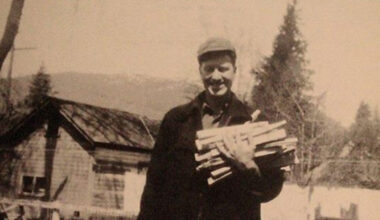
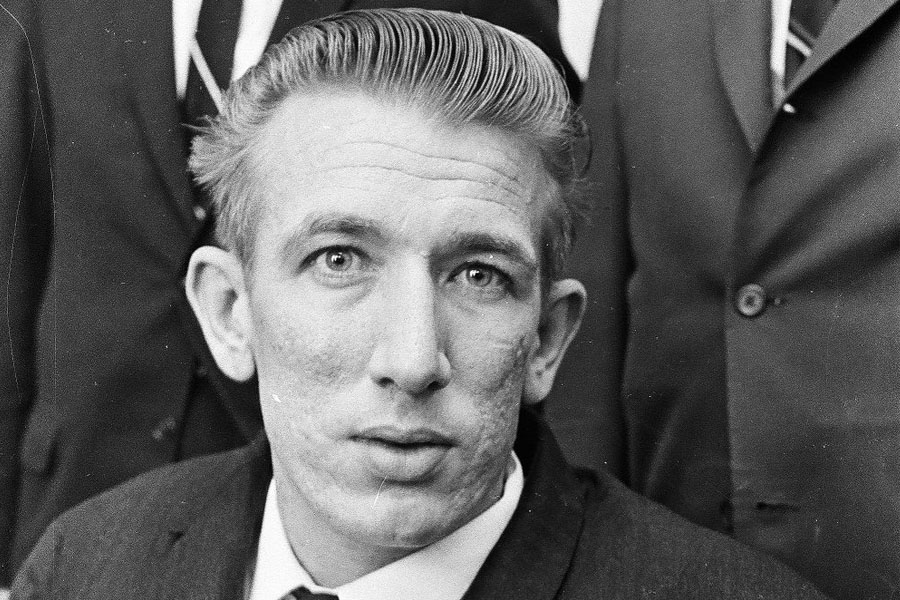
After years of following these cases, I continually find the hinge moments that convert calendars into crime scenes. His family will break up in visible and subtle ways after he was born December 6, 1941. His father died in 1947, ending his childhood and setting the pattern of loss, changing authority, and migration. The youngster who would star in a national horror show learnt volatility as a norm when his family relocated multiple times between 1947 and 1960.
The cadence of family stories is births, burials, marriages, and little betrayals. Its rhythm was rough. I want readers to imagine the 1966 tragic night and the countless routine days that led up to it.
Family and personal relationships
I list the people connected to him not to sensationalize them but to map the web that shaped one life. Below is a concise table of relations and the roles they played in his early biography.
| Name | Relationship | Noted detail |
|---|---|---|
| Benjamin Franklin Speck | Father | Died 1947 when his son was 6 |
| Mary Margaret Carbaugh Speck | Mother | Remarried after 1947 |
| Carl Lindberg | Stepfather | Stepfamily tensions in the 1950s |
| Carolyn Speck | Sister | Lived nearby during early adult years |
| Martha Thornton | Sister | Appeared in family testimony during the trial era |
| Howard Speck | Brother | Present in contemporaneous reports |
| Robert Speck | Brother | Died in an automobile accident in 1952 |
| Shirley Annette Malone | Wife | Married January 19, 1962 |
| Robbie Lynn Speck | Daughter | Born July 5, 1962 |
| Corazon Amurao | Survivor | One woman who lived through the 1966 attack |
I keep returning to dates because they are anchors. January 19, 1962 is not an abstraction; it produced a legal bond, a paper trail, and a daughter born on July 5, 1962. Those numbers matter. They show that this man lived patterns common to many men of his generation: marriage at 20, a child the same year, periods of low-wage work, brushes with the criminal justice system. To map the ordinary is to understand how extraordinary acts erupt.
Career, jobs, and financial life
Brutal honesty. There’s no impressive resume. His career history resembles a transitory list. He worked manual labor, bottling, construction, and other unskilled tasks in the 1950s and 1960s. After being convicted of burglary and forgery in 1963, he served time, was paroled in 1965, and wandered. No financial indicators indicated wealth or long-term capital. Wages, tiny offenses, and jail, which substituted paychecks with prison ledgers.
Common “achievements” don’t exist for him. His fame was bad and remembered as social trauma, not professional achievement. He accumulated no titles throughout life. According to media and culture, the results are gloomy and intractable.
The pattern before the crime
I have often said that violent episodes do not appear ex nihilo. Look at the pattern: juvenile arrests in the 1950s for minor offenses; a prison term in 1963; parole in 1965; movement from city to city; a failed attempt to stabilize through work. Add to that family instability and early parental loss. The math of risk is not deterministic, but it is instructive. Between 1960 and 1966 the man in question spent more time on the move than in a steady job. He counted days in short employment rather than careers.
The night that changed everything and the immediate aftermath
On the night of July 13 and into July 14, 1966, an event occurred that rewrote the lives of many and defined this man in history. One survivor lived, and her testimony became the central pillar for what followed. Arrest came within days, and trial followed in April 1967. The legal process produced sentences and appeals; it also produced public fascination and fear. Prisons, appeals, medical records, and finally death in custody completed a life that, numerically, spanned 49 years from 1941 to 1991.
Timeline snapshot
I present a tight timeline so the reader can scan dates like a map legend.
- 1941-12-06 Birth.
- 1947 Father dies.
- 1952 Brother Robert dies in car accident.
- 1962-01-19 Marriage to spouse.
- 1962-07-05 Daughter born.
- 1963 Conviction and imprisonment for burglary and forgery.
- 1965 Parole.
- 1966-07-13 to 1966-07-14 The crime night.
- 1966-07-17 Arrest.
- 1967-04 Trial and conviction.
- 1967-06 Sentence.
- 1991 Death while incarcerated.
Numbers sharpen a story. They keep it from floating away into myth.
Cultural aftermath and how families cope
I write about the family not as accessories to a headline but as real people who had to answer to neighbors, reporters, and the law. The mother remarried; siblings scattered; a daughter grew up with a name that would always collocate with a hideous event in the public mind. Family members attended hearings, gave testimony, and tried, as humans do, to live beyond the shadow. I imagine the household conversations that must have taken place, the small hesitations before a family reunion, the question of what to tell the next generation.
If history is a long corridor, family members are often the rooms off that corridor, each with its own light and its own dust.
FAQ
Who were his closest relatives and what roles did they play?
I can state the essentials. His father died when he was six. His mother remarried. He had multiple siblings who appear in court testimony and news reports. He married in early 1962 and had a daughter the same year. Family members were witnesses, visitors, and private citizens coping with public scrutiny.
Did any family members face legal consequences?
No immediate legal punishment for family members came from the events I recount. They were called as witnesses, they offered testimony, and they navigated media attention. The legal focus remained on the accused.
What was his financial situation at the time of the crimes?
He worked low-wage and temporary jobs. He had no recorded estate of significance at the time of arrest. After incarceration his financial footprint narrowed to prison records and whatever legal filings accompanied appeals.
Are descendants affected today?
I cannot speak for private lives in detail. Descendants inherit names, memories, and sometimes stigma. They also invent new scripts for their lives that remove the infamy from everyday identity.
How do I reconcile ordinary childhood facts with the later violence?
I approach that reconciliation as a historian and as someone who watches patterns. Ordinary facts do not excuse extraordinary violence. They contextualize it. Loss, movement, early brushes with justice, and social instability are repeating motifs in many life stories that later become tragic. Understanding those motifs does not mean forgiving the acts; it means trying to explain how the human story unfolded.