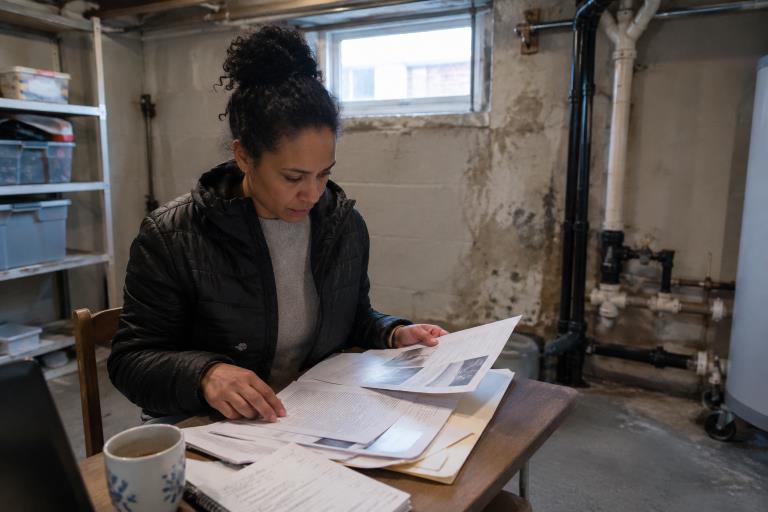
Selling a home in Washington, DC can involve difficult choices, especially when the property needs work, sits vacant, or comes with a tight personal deadline. Homeowners exploring a direct sale can begin by comparing their situation with the process described by Same Day DC Home Offers, then weigh that option against repairs, a traditional listing, renting, or waiting. From Capitol Hill rowhouses and older detached homes to condos and duplexes, District properties often have condition issues that are not obvious from the curb. A worn roof, basement moisture, dated wiring, plumbing concerns, permit questions, or association obligations can affect both the sale process and the seller’s final proceeds.
What “As-Is” Means in a Washington, DC Sale
In plain language, selling as-is usually means the seller does not agree to complete repairs before closing. It does not mean a seller may hide known material problems, make inaccurate statements, or ignore contract obligations. Buyers may still inspect the home, request estimates, seek a price adjustment, or cancel if their contract gives them that right. For owners who want to compare a no-repair option with a listing strategy, Same Day DC Home Offers is one direct-sale option to consider. The important detail is not the phrase “as-is” in an advertisement. It is the written agreement, including inspection rights, deposits, contingencies, closing date, possession, and responsibility for title issues.
When an As-Is Sale May Be Reasonable
An as-is approach can be practical when a major project is not affordable or desirable. Common examples include an inherited house that needs updating, a vacant home with continuing bills, a property affected by a job move, divorce, illness, or a home that needs extensive roof, foundation, plumbing, or electrical work. It may also fit a home with unresolved permits, tenant concerns, liens, or probate questions. These situations do not automatically prevent a sale, but they should be identified early. A real estate attorney, tax professional, or qualified local adviser can help an owner understand deadlines and documents before a contract is signed.
Compare the Main Paths Before Choosing
- List as-is with an agent: This may expose the home to more buyers and create competition, but it can involve showings, inspections, negotiations, and a longer timeline.
- Repair before listing: Targeted repairs and cleanup may improve marketability, but the owner must fund and manage the work without certainty that every dollar will be recovered.
- Sell directly for cash: A direct buyer may offer a simpler process and avoid mortgage underwriting, but the offer may be below the value of a fully repaired home.
- Rent or wait: Either choice can create time to plan, yet taxes, insurance, utilities, mortgage payments, maintenance, and management responsibilities may continue.
Focus on Net Proceeds, Not the Headline Price
A sound comparison starts with a realistic estimate of what the home could sell for after repairs. From that number, subtract contractor bids, permits, materials, agent compensation, seller concessions, closing charges, and the cost of owning the property while work and marketing are underway. Then compare that estimate with an as-is offer. Include mortgage payments, property taxes, insurance, water, electricity, security checks, exterior maintenance, snow removal, and surprise repairs. A lower gross offer can sometimes yield a comparable or better net result by avoiding substantial expense and delay.
District Issues That Can Slow Closing
Washington, DC sellers should investigate open permits, inspection notices, tax liens, judgments, unpaid utility balances, condo documents, special assessments, and title defects before marketing the property. Homes in historic districts may also require review for certain exterior changes, so owners should not assume a planned repair can be completed immediately. Foreclosure demands special urgency. The District’s guidance on mortgage sales explains that court deadlines and response requirements can apply once a foreclosure case begins. A homeowner facing foreclosure should seek qualified legal help promptly and should not rely on verbal assurances from a prospective buyer.
Give Vacant Homes a Separate Plan
An empty property can develop problems quickly. Small leaks can become larger repairs, damage may go unseen, and an unsecured building can invite trespassing. Insurance coverage can also differ for a vacant home, making it important to review the policy rather than assuming ordinary owner-occupied coverage still applies. District owners should check whether their home must be registered under the rules for vacant and blighted buildings. A practical checklist includes confirming the property’s status, reviewing open permits and bills, arranging regular visits, securing doors and windows, and keeping exterior areas maintained.
How to Review a Cash Offer Carefully
- Get the offer in writing and note when it expires.
- Ask for proof that the buyer can access the stated funds.
- Review the earnest-money deposit and the conditions for its return.
- Confirm the title company or closing attorney and ask who pays each charge.
- Check whether the buyer may assign the contract to another party.
- Understand inspection rights and whether the buyer can renegotiate after inspection.
- Do not accept pressure to sign before reviewing cancellation and default terms.
Common Mistakes to Avoid
Do not choose a selling method only because it advertises the highest price. Avoid ignoring leaks, safety hazards, permit issues, or title problems until late in the process. Do not assume “as-is” removes disclosure responsibilities, and do not forget the real cost of holding the property for additional weeks or months.
Frequently Asked Questions
Can a Washington, DC home be sold as-is?
Yes. A homeowner can sell the property in its present condition, subject to the contract and applicable disclosure requirements. Clear communication about known issues is essential.
Can the buyer still inspect an as-is home?
Yes. Inspection access and the buyer’s rights after inspection depend on the written contract. Sellers should read those provisions carefully before accepting an offer.
Is a cash sale always faster?
Not always. Cash can remove the need for mortgage underwriting, but probate, liens, title defects, permits, or other legal issues can still delay closing.
Choose the Option That Fits the Numbers
Selling a Washington, DC home as-is is neither automatically a bad deal nor automatically the fastest answer. Compare repair costs, likely proceeds, carrying expenses, timing, and risk. A decision based on the complete financial picture can help a seller move forward with greater clarity and confidence.
Conclusion
Selling a home as-is in Washington, DC, can be a practical option for owners who want to avoid extensive repairs. However, sellers must still plan carefully and understand all the conditions outlined in the agreement. Before choosing a buyer or accepting an offer, review the property’s condition, title status, permits, and any outstanding financial obligations. Compare the expected net proceeds from a direct sale with those from repairing and listing the home, while accounting for ongoing expenses and the time each option may require. Most importantly, review contracts and disclosure responsibilities carefully rather than relying on verbal promises or advertised prices. By weighing the costs, risks, and timeline of each approach, homeowners can choose a selling strategy that better supports their financial needs and circumstances.