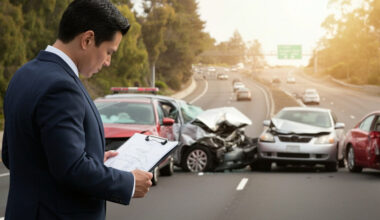
A collision on I-285, the Downtown Connector, or a neighborhood street can turn an ordinary Atlanta drive into a stressful series of decisions. In the first 72 hours, focus on safety, medical care, and organized documentation before trying to untangle every insurance or fault question.
For people facing serious injuries, disputed facts, or difficult insurance communication, an Atlanta car accident lawyer may be a useful resource. Weatherby Law Firm provides information on Georgia car crash claims, evidence, insurance issues, and injury-related legal services for Atlanta and nearby communities, including Decatur, Marietta, Roswell, and Sandy Springs.
What to Do in the First Few Minutes
The first minutes can feel chaotic, especially during heavy Atlanta traffic or in bad weather. Pause, take a breath, and address immediate hazards. If a vehicle can be moved safely out of active traffic, do so; if you cannot, get yourself and your passengers to a safer location when possible.
Recommended Action Steps
- Check yourself, passengers, and others for injuries.
- Call 911 when someone may be hurt or when a crash creates a traffic hazard.
- Exchange contact, vehicle, and insurance information with other involved drivers.
- Ask witnesses for names and contact details before they leave.
- Follow instructions from police, firefighters, and emergency medical personnel.
- Do not argue, accuse another driver, or make broad statements about blame.
Do not leave simply because the damage looks minor. A bumper can hide damage behind its exterior, and physical symptoms may not be obvious at the scene.
Why Medical Care Should Come Early
Adrenaline and stress can make it hard to assess how you feel immediately after a crash. Seek prompt care if emergency personnel recommend it or if you notice pain, headaches, dizziness, numbness, nausea, stiffness, or any new concern. Give medical providers an accurate account of the collision and your symptoms.
Medical Records to Keep
- Emergency room, urgent-care, or primary-care paperwork
- Doctor notes, referrals, and treatment plans
- Prescription and physical-therapy records
- Receipts for equipment, transportation, and out-of-pocket care costs
- A daily log of symptoms, missed work, and limits on normal activities
How to Preserve Useful Evidence
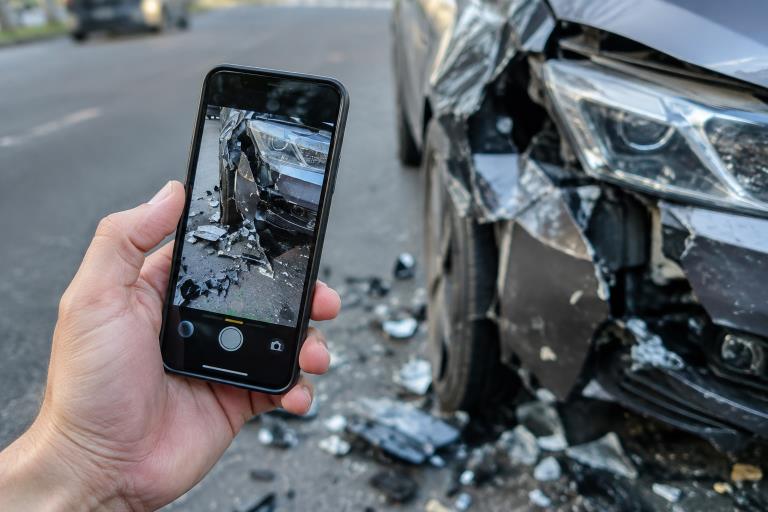
Start a simple crash file while the details are fresh. Take wide and close photos of each vehicle, along with traffic signals, lane markings, debris, skid marks, weather conditions, and the surrounding intersection or roadway. Record the location, approximate time, travel direction, and names of responding officers.
Also save dashcam footage, screenshots of relevant messages, towing paperwork, repair estimates, and witness information. Georgia drivers can use Georgia crash reporting resources to find information about crash data and official report requests. If a nearby business or residence may have video, make a quick note of it, as recordings may be overwritten.
What to Say to Insurance Companies
Reporting a crash is different from offering a complete opinion about how it happened. Provide the basic facts required by your policy, use accurate language, and avoid speculation. It is fine to say that you are still gathering information or receiving a medical evaluation.
Safer Communication Habits
- Describe what you know rather than guessing about speed, distance, or fault.
- Do not minimize pain, just be calm or polite.
- Save emails, letters, claim numbers, and notes from phone calls.
- Ask what documents are needed and when they are due.
- Read settlement and release documents carefully before signing.
For example, “My vehicle was traveling north when the collision occurred” is clearer than assuming, “I must have been distracted.” Honesty matters, but premature uncertainty can create confusion.
Handling Vehicle Damage and Personal Items
Photograph your vehicle before repairs begin, including the interior if personal property was damaged. Write down the tow company, storage location, and claim number. Remove medications, work materials, identification, and valuables from the vehicle when it is safe to do so.
- Keep towing, storage, rental, and repair receipts.
- Save the original repair estimate and any revised estimates.
- Ask about damage that may not be visible from the outside.
- Do not authorize major repairs before necessary inspections, except for urgent safety work.
If a child restraint was in the vehicle, review NHTSA car-seat guidance before using it again. The agency explains when replacement is recommended after a crash and identifies the criteria used to evaluate a minor crash.
When a Legal Consultation May Help
A consultation may be worth considering when injuries are serious, multiple vehicles are involved, fault is disputed, a commercial vehicle was involved, or an insurer questions treatment, lost income, or coverage. It can also help to get individualized guidance before signing a release or providing a detailed recorded statement.
Questions to Ask
- What deadlines could apply to this situation?
- Which evidence should be preserved now?
- Could a shared fault affect the claim?
- Which insurance policies may be relevant?
- What should happen before any settlement paperwork is signed?
Common Questions After an Atlanta Crash
Should a driver admit fault at the scene?
Cooperate with police and exchange information, but avoid arguments or broad admissions before the facts are known.
What if the other driver leaves?
Call 911, do not chase the vehicle, and write down the vehicle description, plate number if known, direction of travel, and witness details.
What if there are no visible injuries?
Monitor your condition and seek medical care if symptoms appear later or worsen.
How long should records be kept?
Keep medical, repair, wage-loss, insurance, and communication records in a digital folder with a backup until the matter is fully resolved.
Conclusion
The first 72 hours after an Atlanta crash are not the time to solve every issue at once. Prioritize safety, care, accurate information, and careful recordkeeping. Those practical steps can reduce confusion and preserve details that may matter in the days ahead.