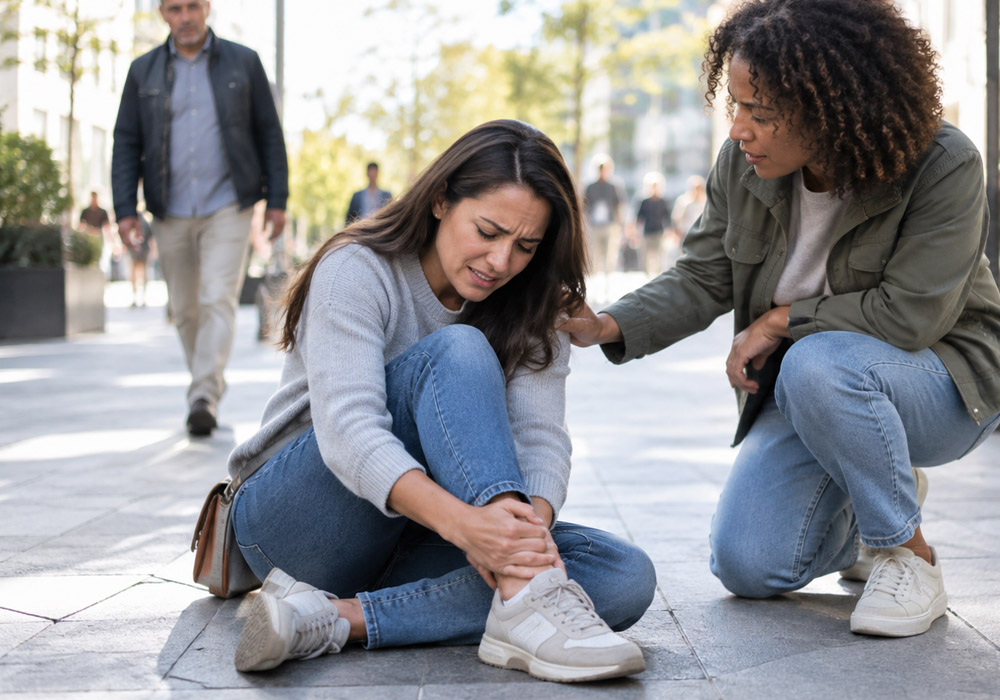
An accident in a public place raises questions about what happened and who controlled the location. A personal injury lawyer can use evidence from the scene to help establish the conditions that existed when the incident occurred. Medical documentation also connects the reported injury to the treatment received afterward, and it helps establish the extent of the harm. Here are several things you may do if you are injured in a public place:
Identify Responsible Parties
Determining who controlled the property helps clarify which party had responsibilities concerning the location. Ownership and daily management are not always handled by the same entity, so identifying both helps clarify who was responsible. A business operating inside another property could have separate responsibilities from those of the property owner.
Names of employees who responded to the incident provide useful identifying information. Contractors or maintenance companies could also be involved when their work relates to the condition that caused an injury. Identifying each relevant party gives a personal injury lawyer more information; it allows them to better review potential liability.
Document the Scene
Photographs provide visual evidence of conditions that existed when the incident occurred. Capture the area from several angles, and include any specific hazards associated with your injury. A wide view shows the surrounding environment, while closer images reveal details that might otherwise be missed.
Written observations provide additional context that photographs are unable to capture. Record the date, time, location, and circumstances while the details remain available. If warning signs or barriers were present, their position could become relevant when the incident is reviewed.
An incident report creates another record of what happened at the location. Property staff may document the event; obtaining that report provides information for later review. Preserve damaged clothing or personal items, as they help provide additional evidence related to the incident.
Gather Supporting Evidence
Witness information provides independent accounts that may help establish how an incident occurred. Exchanging contact details allows individuals to be identified later, and it lets them share anything else they remember. Medical records document treatment, diagnoses, and related observations that connect the injury with the event. Several types of documentation can provide useful support when the circumstances are reviewed, including:
- Witness details: Preserve names and reliable contact information.
- Surveillance footage: Identify cameras covering the incident area.
- Medical records: Retain documents relating to examination and treatment.
- Incident reports: Keep copies of reports created after the event.
- Communications: Save messages exchanged with property representatives and other relevant parties.
Digital evidence also requires attention, as surveillance recordings may have limited retention periods. Written communications provide another record, and preserving them prevents key details from being scattered across different sources. This is beneficial if legal action is taken or the events need to be reconstructed.
Address Insurance Communications
After a public-place incident, insurance representatives may request information about an injury. Written communications create a record of what was requested, and they show how the information was provided. Recorded statements also require attention, particularly when questions involve circumstances surrounding the incident or responsibility for the injury. When evaluating an insurance claim, a personal injury lawyer reviews the insured’s recorded statement and helps determine how to proceed.
Evaluate Legal Liability
Legal liability depends on the circumstances surrounding the property condition and the responsibilities of the relevant parties. A review examines whether a duty existed, whether a dangerous condition contributed to the incident, and what evidence supports that connection. Several factors help frame the legal issues that arise from a public-place injury:
- Property control: Identifies the party responsible for maintaining the area.
- Hazard condition: Establishes what condition contributed to the incident.
- Notice: Examines information showing whether the condition was known.
- Causation: Connects the condition with the reported injury.
- Negligence: Examines conduct that may support a potential claim.
Hire a Personal Injury Lawyer
Public-place injuries sometimes involve several parties, records, and factual questions that require careful review. Legal deadlines also vary by claim and jurisdiction, so timing becomes relevant after an incident. A qualified personal injury lawyer can review the available evidence and explain potential legal options. Contact an attorney promptly to discuss the circumstances and determine what steps apply to your situation.