If you’ve ever wondered whether braces talk starts way too early these days, you’re not alone. Early orthodontic treatment can sound like one more item on an already crowded parenting checklist. Still, timing matters more than most people expect. In the Lake Minnetonka area, where families often juggle school, sports, and regular dental visits, spotting bite and jaw issues early can save you a lot of hassle later.
What early orthodontic treatment actually means
Early orthodontic treatment, often called Phase 1 orthodontics, usually happens while your child still has a mix of baby teeth and adult teeth. That tends to be between ages 6 and 10. It does not always mean braces right away. In many cases, it involves monitoring growth, using expanders, or guiding how the jaw develops.
You’re not trying to create a perfect Hollywood smile in second grade. The real goal is to catch structural issues while the bones are still growing and easier to guide. Think crowded teeth, crossbites, underbites, overbites, and jaw imbalance.
An orthodontist looks at more than crooked teeth. They check breathing patterns, speech habits, chewing function, and how the upper and lower jaws fit together. It’s less about cosmetics at this stage and more about building a workable foundation.
What happens during a Phase 1 orthodontic assessment
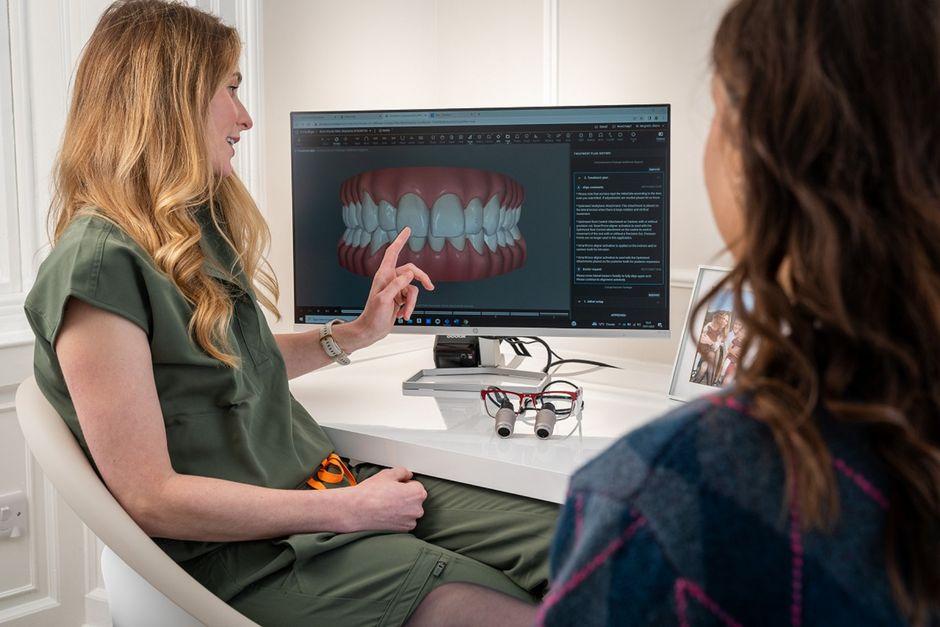
A proper assessment usually includes photos, X-rays, and a clinical exam of your child’s teeth, jaws, and facial growth. The orthodontist checks how the bite fits together, whether there’s enough space for permanent teeth, and whether the jaws are developing evenly.
If you’re looking into a Lake Minnetonka orthdontist for this kind of evaluation, the important thing is finding someone who focuses on growth-related orthodontic issues rather than only cosmetic straightening. Phase 1 care is about function, timing, and prevention.
In some cases, the answer after the exam is simple: watch and wait. That’s not a brush-off. Monitoring can be the smartest plan when a child is developing normally. In other cases, the orthodontist may recommend a palate expander, partial braces, or space maintenance to steer growth in a healthier direction.
Signs your child may need an orthodontic evaluation sooner than expected
Some warning signs are obvious. Others are sneaky little troublemakers. If your child has teeth that come in crowded, stick out, or do not meet correctly, an orthodontic evaluation may be worth booking. The same goes for early or late loss of baby teeth.
You should also pay attention to habits and function. Mouth breathing, thumb sucking past the toddler years, trouble chewing, speech issues, or frequent biting of the cheeks can all point to a developing bite problem. Even snoring can sometimes connect to jaw and airway concerns.
A child does not need to have all permanent teeth before being evaluated. In fact, waiting for every adult tooth to arrive can close the window for easier correction. The American Association of Orthodontists recommends a first checkup by age 7, which catches many issues before they turn expensive and stubborn.
Why timing can make treatment easier
When your child is still growing, the jaw is more responsive to treatment. That gives orthodontists a chance to guide development instead of trying to force a correction years later. It’s a bit like adjusting a bike seat while someone is still growing rather than pretending the knees scraping the handlebars are fine.
Early treatment can create room for incoming permanent teeth, reduce the chance of impacted teeth, and help improve bite alignment. It may also lower the risk of trauma to front teeth that stick out too far. Kids with a severe overjet, for example, are more likely to chip or injure those front teeth during normal play.
Not every child who gets Phase 1 treatment avoids braces as a teen. That’s a common myth. What early care often does is reduce the severity of later treatment and make the second phase shorter, simpler, or less invasive.
Common treatments used in younger children
Phase 1 treatment is not one-size-fits-all. The appliance depends on the issue. Palatal expanders are common when the upper jaw is too narrow. They gradually widen the roof of the mouth, which can improve bite alignment and create more room for permanent teeth.
Partial braces may be used to move a few teeth into better positions, especially when crowding or crossbite is causing functional problems. Space maintainers help preserve room if baby teeth fall out too early. In some cases, orthodontists use habit appliances to help stop thumb sucking or tongue thrusting.
You may also hear about removable appliances. These can work well, but only if your child actually wears them. That part can get dicey. A removable device left on the bathroom counter has all the clinical power of a decorative coaster.
Real-world benefits beyond straighter teeth
A better bite can improve more than appearance. Kids with severe bite issues may struggle with chewing certain foods, pronouncing sounds clearly, or keeping teeth clean in crowded areas. Early correction can reduce wear on enamel and limit strain on the jaw joints.
There’s also the confidence factor. A child who feels self-conscious about protruding front teeth or a noticeable bite issue may become more hesitant in social settings. Early treatment will not solve every confidence wobble that comes with growing up, but it can remove one avoidable source of stress.
From a practical angle, intercepting a problem early may reduce the need for tooth extractions or jaw surgery later. That matters for cost, time, and overall disruption. Fewer years in treatment and fewer complications can make family schedules a lot easier to manage.
Questions you should ask before saying yes to treatment
If an orthodontist recommends early treatment, ask what specific problem they are correcting and what happens if you wait. You should understand whether the issue is functional, developmental, or mainly cosmetic. That distinction matters.
Ask how long Phase 1 treatment is expected to last, what appliances will be used, and whether a second phase is likely during the teen years. You should also ask about follow-up visits, home care, and how treatment could affect sports, speech, and eating.
Cost deserves a clear conversation too. Find out what insurance may cover and whether payment plans are available. Early treatment can be worthwhile, but only when the recommendation matches a real clinical need. A solid orthodontist should be able to explain the plan in plain English, not in a fog of dental jargon and cheerful brochures.
Making the best decision for your child
You do not need to panic over every crooked baby tooth. Some unevenness is completely normal as kids grow. The key is knowing when a quirk is just a phase and when it signals a developing jaw or bite issue.
A timely orthodontic evaluation gives you information, not a lifetime contract with brackets and wires. In many cases, you’ll leave with reassurance. In others, you’ll catch a problem early enough to make treatment easier on your child and your budget.
If your child is around age 7 and you’ve noticed crowding, mouth breathing, jaw imbalance, or bite issues, it may be worth getting a professional opinion. Early orthodontic care works best when it’s targeted, thoughtful, and based on growth, not guesswork.