A name shaped by a larger legacy
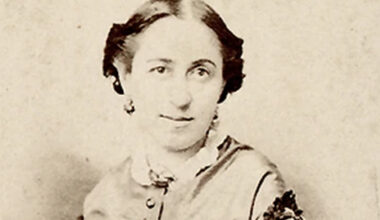
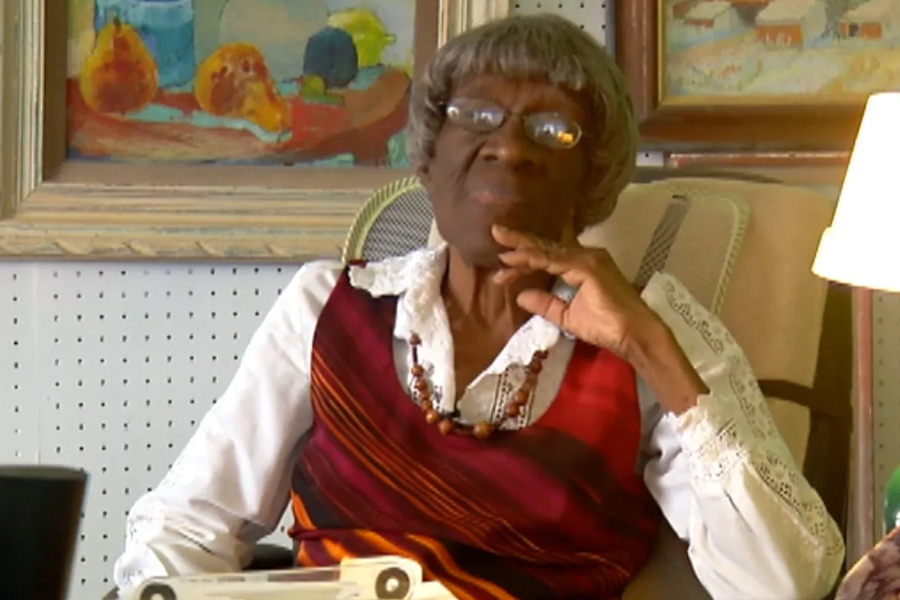
When I look at the life of Muriel St. Hill, I see a figure who lived close to history without being consumed by its spotlight. Her name is tied to one of the most significant political families in modern American memory, yet her own story has a quieter gravity. She was the sister of Shirley Chisholm, the trailblazing congresswoman and presidential candidate, and she belonged to a family that carried hardship, pride, discipline, and ambition like a single woven cloth.
Muriel St. Hill stands at the edge of a famous narrative and still manages to feel real, human, and grounded. Her story is not built on office titles or public speeches. It is built on family. On memory. On the kind of life that often gets overlooked until someone decides to tell it properly.
The St. Hill family and the roots of the story
Muriel was one of the daughters of Charles Christopher St. Hill and Ruby Leotta Seale St. Hill. That family line matters because it gives shape to everything around her. Charles came from British Guiana, and Ruby came from Barbados. Together, they created a household that crossed borders in spirit even when it lived within the practical limits of working life in Brooklyn.
I think of the family as a house with many windows. Each child looked out at the world from the same structure, but each saw something slightly different. Shirley became the public face. Muriel became part of the intimate family record. Odessa, Selma, and the others completed the picture.
The family included at least four daughters: Shirley, Muriel, Odessa, and Selma. Their lives were shaped by movement between Brooklyn and Barbados, by strict discipline, and by the effort it takes for immigrant families to build stability from little more than determination. Charles worked in laboring and textile jobs. Ruby worked as a seamstress and domestic worker. These were not glamorous occupations. They were the hands that held up the roof.
Muriel St. Hill as sister, daughter, and witness
Muriel is easiest to understand when I place her in the family circle. She was Shirley Chisholm’s sister, and that relationship is the one most people now recognize. But she was also Ruby and Charles’s daughter, and that makes her part of a larger inheritance.
She appears in the family story as someone who remembered. That is not a small role. Memory can be its own kind of labor. Families often need one or two people who preserve the old details, the spoken stories, the hard edges of childhood, the emotional weather of the house. Muriel seems to have played that role.
There is something powerful in being the person who remembers where the family came from. One sibling may become famous, another may become the anchor, and another may become the keeper of stories. Muriel occupied that quieter, steadier place. She helped preserve the shape of the family even when public attention focused elsewhere.
Shirley Chisholm and the public shadow
Muriel is typically seen via Shirley Chisholm’s prominence since she was so dominant. Shirley became the first Black woman elected to Congress and to pursue a major party presidential candidacy. Historical events cast a long shadow.
Shadows are not empty. They indicate a solid object nearby.
It shows a familial system that produced greatness, not because Muriel is inferior to Shirley. Shirley did not suddenly gain confidence. It was raised in a migration, sacrifice, education, and strict household. That was Muriel’s environment. Her life illuminates Shirley’s origins.
This is significant because public history generally emphasizes the top and ignores the mountain. Muriel reminds me that historic figures are from homes, not headlines.
Parents, discipline, and the architecture of a childhood
Charles Christopher St. Hill and Ruby Leotta Seale St. Hill gave their daughters more than names. They gave them structure. The family story suggests a strict home, especially in the Barbados years, where discipline was a way of life and education was treated as a necessity rather than a luxury.
Ruby stands out as a formidable mother. She is described as deeply religious, practical, and intent on making sure her daughters were educated. Charles, meanwhile, brought political awareness and work experience shaped by labor and activism. Together they created a family world that blended sternness with aspiration.
That mix can produce strong children. It can also produce complicated ones. Families like this are rarely soft around the edges. They are forged in the heat of survival. Muriel grew up inside that forge.
The family’s move between Brooklyn and Barbados adds another layer. It means Muriel’s childhood was not a fixed point but a bridge between places, customs, and forms of belonging. That kind of upbringing can create a person with a double lens. She would have understood both the urban urgency of Brooklyn and the cultural rhythm of Barbados.
Marriage, adulthood, and a life beyond the headlines
Muriel later married Hugh Forde and became known as Muriel St. Hill Forde in some records. That detail matters because it shows that her life did not stop with sibling identity. She had an adult life, a household life, and a personal history not fully visible to the public.
Public biographies often flatten people into their best-known relationship. I resist that flattening here. Muriel was not only someone’s sister. She was also a wife, a daughter, a woman who lived through decades of change, from the mid 20th century into the 21st century. Her adult years included time in Barbados, where she lived in Silver Sands, Christ Church.
That setting feels fitting. Barbados is part origin story and part return. For many Caribbean families, home is not just a place on a map. It is a pulse that keeps beating across generations. Muriel’s life seems to have carried that rhythm.
Education, work, and the visible gaps in the record
Muriel’s 1948 Brooklyn College class affiliation stands out. Even though her professional history is unavailable, that shows she studied. That absence was carefully read. Life is not silent like the archive.
Many of her generation’s productive women left little paper trail. They operated in houses, communities, and family networks, where influence is genuine but undocumented. Those women may include Muriel. Her significance is partly verified and partly inferred from her relatives.
Muriel’s profession, business empire, and finances remain unknown. That will not shorten her life. It means the public tale emphasizes family heritage over professional branding. Sometimes the truest depiction is in unpaid memory and kinship.
Recent public attention and renewed interest
Muriel St. Hill returned to broader attention through modern retellings of Shirley Chisholm’s life, especially the 2024 film Shirley. The renewed attention gave her a visible place in a story that had long centered on her famous sister. That kind of revival often works like a lamp being turned on in a corner of a room. Suddenly, details that were always there become legible.
It also shows how family members can reenter public consciousness decades later. A name that once lived mostly in genealogy pages and family recollections can surface again in film, interviews, and memorial notices. Muriel’s name has done exactly that.
FAQ
Who was Muriel St. Hill?
Muriel St. Hill was a member of the St. Hill family and the sister of Shirley Chisholm. She is remembered as part of the family background that shaped Shirley’s life and values.
Who were Muriel St. Hill’s parents?
Her parents were Charles Christopher St. Hill and Ruby Leotta Seale St. Hill. They were working parents who helped create a disciplined, education focused household.
Who were Muriel St. Hill’s siblings?
Her siblings included Shirley Chisholm, Odessa St. Hill, and Selma St. Hill. Together, they formed the core of the St. Hill sisters.
Was Muriel St. Hill married?
Yes. Muriel later married Hugh Forde and was also known as Muriel St. Hill Forde in some records.
Did Muriel St. Hill have a public career?
There is no widely documented public career profile for her. What stands out more clearly is her place in the family story, her education, and her role as a keeper of memory around Shirley Chisholm’s legacy.
Why is Muriel St. Hill important?
She matters because family history is part of political history. Muriel helps illuminate the home life, values, and background that shaped Shirley Chisholm, while also representing the many women whose lives mattered deeply without becoming highly public.