Portland’s damp winters and occasional summer heat waves make a reliable HVAC system more than a luxury. If rooms feel stuffy, the system runs longer than usual, or your utility bill creeps up, early attention can prevent a no-heat or no-cool surprise. This article shows how to spot HVAC performance problems early, what safe checks you can do with common household tools, and when it is time to schedule a professional evaluation. You will learn how filters, vents, thermostat settings, coils, and condensate drains affect airflow and temperature, and how small choices in a Portland home can either protect or strain your system.
Early HVAC symptoms you can notice before a breakdown
Several room-by-room signs point to airflow or refrigerant trouble: supply registers that feel weak, hot and cold spots between floors, or run times that keep stretching to hold the same setpoint. A heat pump that rarely cycles off in mild weather, a thermostat’s auxiliary heat indicator lighting up frequently, or musty odors near the air handler can signal a dirty filter, a clogged condensate drain, or low airflow across the evaporator coil. Breaker trips, especially after the outdoor unit starts, may indicate a failing capacitor or a dirty condenser coil that forces the compressor to work harder.
Listen as well as look. A rattling outdoor fan guard, a loud buzzing at the contactor, or a sharp hiss near the refrigerant line set needs attention. Whistling at a return grille can indicate a filter that is too restrictive or undersized. In older Portland bungalows, a floor return hidden under a rug often starves the blower, triggering short-cycling and uneven room temperatures. If simple checks do not resolve these symptoms, local professionals, including Portland HVAC services from Sarkinen, can diagnose issues such as improper blower speed, duct leaks, or refrigerant charge problems that require gauges and instrumentation.
Quick checks and measurements you can do safely
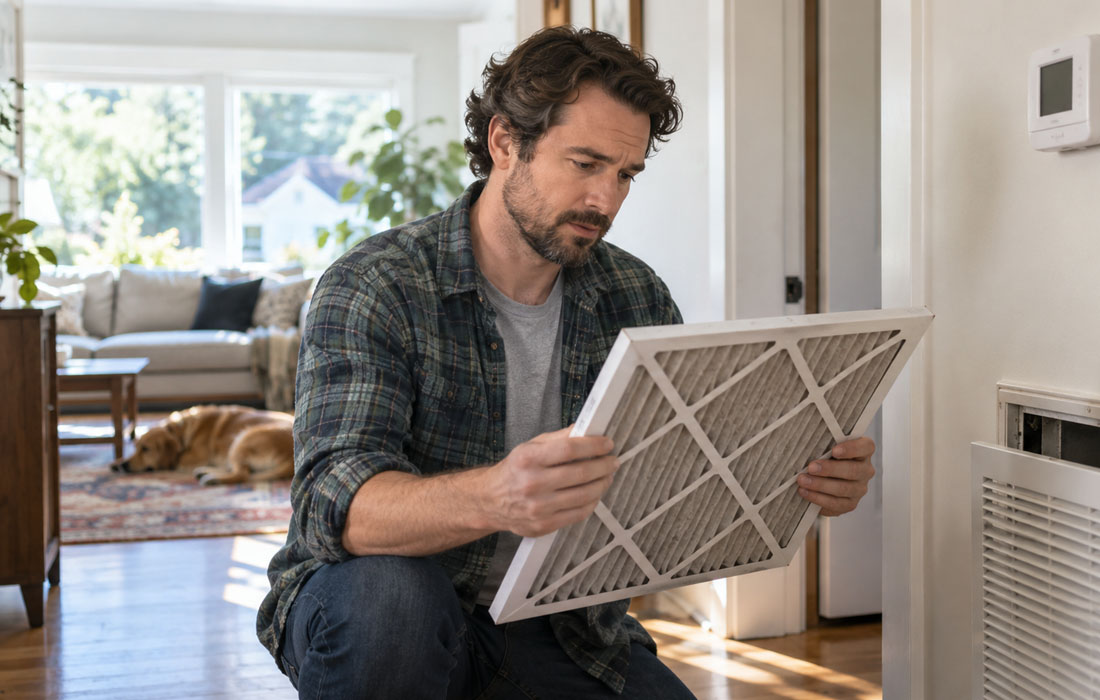
Start with the air filter. Verify the size and MERV rating printed on the frame, and replace it if it looks loaded with dust or smells musty. Higher MERV filters capture finer particles but can raise static pressure if your return grille is small or the ductwork is tight. Make sure every supply register is open and that return grilles are not blocked by furniture. A simple tissue test held near the return should show a steady pull. After 10 to 15 minutes of steady operation, compare the temperature at a central return grille and a nearby supply register using a kitchen thermometer with a probe; a consistent, noticeable difference indicates the system is moving heat as expected.
Step outside to the heat pump or air conditioner. Clear leaves and fir needles, and gently rinse the condenser coil from the inside out with the power off. Avoid pressure washers that can fold aluminum fins. Inspect the refrigerant line insulation for cracks; missing insulation on the suction line reduces capacity and can cause sweating. Back indoors, check for a steady condensate drain from the air handler or furnace coil pan. If the drain is slow or backing up, algae may be forming, which can trip a float switch and shut the system down. Replace thermostat batteries if applicable, and review settings such as calibration offsets and heat pump lockout or auxiliary heat thresholds.
Common mistakes that quietly reduce HVAC performance
Closing supply registers in unused rooms seems thrifty, but it raises duct static pressure, increases leakage at loose joints, and can push a marginal evaporator coil toward icing. Stacking a thin prefilter on top of a standard filter, or using a washable filter with oily residue, can restrict airflow and foul the evaporator coil. Blocking a return with a bookcase or storage bins has the same effect. Another hidden culprit is a clogged secondary filter in the air handler, sometimes tucked behind a panel; if you do not see a grille filter in the hall or on the ceiling, check near the blower compartment before assuming the system has no filter.
Thermostat practices matter. Large setbacks with a heat pump often force frequent auxiliary heat operation, which increases energy use and can mask underlying airflow issues. Aggressive swing settings that allow wide temperature swings may also cause short cycling and poor humidity control. Avoid DIY refrigerant “top-offs”; adding refrigerant without proper diagnostics can damage the compressor and is regulated work. Likewise, spraying harsh coil cleaners without rinsing thoroughly can corrode fins and leave residues that re-attract dirt.
When a professional evaluation is warranted
Call a technician promptly if you see ice on the refrigerant line or the outdoor coil, experience repeated high- or low-pressure switch trips, or notice a furnace that locks out with flashing diagnostic LEDs. On gas furnaces, yellow, wavering burner flames or soot around the burner compartment signal combustion problems. Electrical smells, scorched control boards, or frequent breaker trips point to components such as capacitors, blower motors, or contactors nearing failure. Document what you observe: error codes on the furnace board, unusual sounds, the filter size and last change date, and whether issues occur in heat, cool, or just during defrost cycles.
Technicians bring tools that go beyond what homeowners can check. Expect measurements of static pressure with a manometer, temperature rise against the furnace nameplate, blower CFM or ECM profiles, refrigerant superheat and subcooling, and verification of defrost control and flue draft. Duct leakage, disconnected boots in crawlspaces, or crushed flex runs are common in older homes and require sealing with mastic or proper supports. Sharing your notes helps the technician determine whether the root cause is airflow, control, or refrigerant-related, saving time and preventing repeat callbacks.
Seasonal habits for Portland’s damp winters and pollen-filled springs
Portland’s moisture and vegetation call for a few seasonal habits. During high-pollen periods or smoky days, check filters more frequently; a heavily loaded filter starves the blower and can trip safety switches. Keep shrubs trimmed to allow airflow around the outdoor unit, and avoid fully wrapping it in winter, as this traps moisture; instead, simply keep the top clear of debris. Pouring a small amount of white vinegar into the condensate drain access port a few times a year can discourage algae growth. If you use a washable filter, let it dry completely before reinstalling to protect the ECM blower and evaporator coil from damp airflow and lint buildup.
Homes with ducts in crawlspaces deserve extra attention. Look for sagging flex duct, torn vapor barriers, or loose tape at supply boots that blow conditioned air into the crawlspace rather than into the rooms. While sealing and reinforcing ducts is a pro task, spotting these issues early reduces lost capacity and indoor humidity swings. Before the first long cold snap, run the system for at least 20 minutes, verify even airflow at distant registers, and note any unusual noises or smells. Watching your utility app for sudden changes in daily usage can also be an early clue that the system is working harder than it should.
Early observation and a few safe checks can keep your system reliable through Portland’s wet winters and mild summers. Clean filters, open returns, clear coils, and sensible thermostat settings protect airflow and capacity, while timely documentation of odd sounds, ice, or error codes helps a technician get straight to the cause. Keep a simple log of filter sizes, replacement dates, and what you notice during each season. If problems persist after basic steps, schedule a professional visit and share your notes so any repair or tune-up addresses the real bottleneck, not just the symptom.