Why the First 72 Hours Matter
A collision in Greenville can turn an ordinary drive near East Carolina University, the medical district, or a busy stretch of Memorial Drive into a confusing set of medical, transportation, and insurance concerns. The first few days are often when the most useful details can be preserved. People with significant injuries, disputed fault, or mounting bills may also want to understand when speaking with a car accident lawyer Greenville, NC could help them evaluate their options.
This checklist provides general information for North Carolina drivers and passengers. It is not medical or legal advice, and no two crashes are exactly alike. Still, following a calm, safety-first sequence can make it easier to address urgent needs while preserving facts that may matter later.
Step One: Check for Injuries and Immediate Danger
Start by checking yourself, passengers, pedestrians, and other people involved. Call 911 when anyone is injured, appears disoriented, has trouble breathing, complains of severe pain, or when there is an immediate roadway hazard. Do not move an injured person unless staying in place creates a greater danger, such as fire, traffic exposure, or another urgent threat.
Turn on hazard lights if possible. If vehicles can be moved safely, North Carolina law generally requires drivers to move them out of active travel lanes after a crash on a highway when conditions permit. Do not take risks to reposition a vehicle. Your safety matters more than clearing the scene quickly.
Step Two: Report the Crash When Required
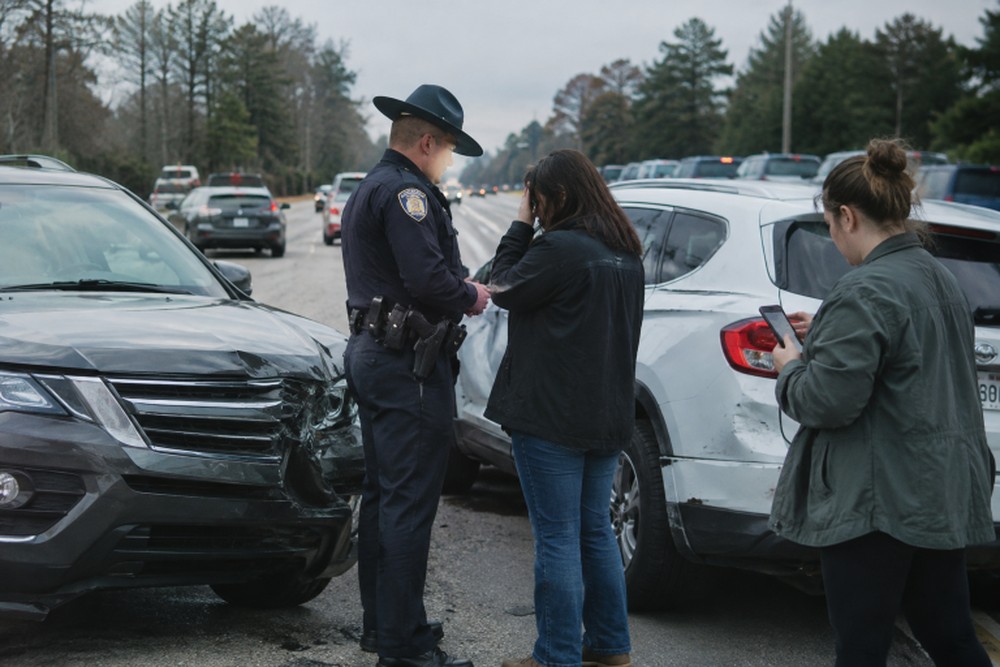
North Carolina requires prompt notice to law enforcement after reportable crashes involving injury, death, or property damage that meets the state reporting threshold. Provide clear facts to the officer: travel direction, observations, and medical needs. Avoid arguments, blame, or estimates when unsure. Law enforcement reports include location, drivers, vehicles, insurance, and witnesses. You can request a copy later through North Carolina’s process.
Step Three: Gather Useful Information at the Scene
When it is safe, save the following details in your phone or write them down:
- Names, phone numbers, and addresses for each driver.
- Driver’s license numbers, license plates, and vehicle descriptions.
- Insurance company names and policy information are shown on proof-of-insurance cards.
- Witness names and reliable contact details.
- The exact location, time, weather, lighting, traffic flow, and road conditions.
Be courteous, but keep the conversation limited to exchanging information and confirming safety. A person may be shaken after a crash and say something incomplete or inaccurate. It is usually better to let the investigation and available evidence establish what happened.
Step Four: Take Photos Without Creating More Risk
Photos preserve details that quickly change after vehicles move, debris clears, or weather shifts. Take wide photos of the roadway, intersections, lane markings, signs, traffic signals, and vehicle positions. Then capture close-ups of damage, broken glass, debris, skid marks, airbags, and injuries. Don’t stand in traffic, climb on damaged vehicles, or delay emergency care for perfect photos. Keep original files, back them up, and avoid editing. A voice note can help capture your immediate recollection.
Step Five: Seek Medical Care and Track Symptoms
Some crash-related symptoms are not obvious in the first few minutes. Pain, headaches, stiffness, dizziness, sleep disruption, and difficulty concentrating can develop or become more noticeable later. Seek medical care when appropriate, explain that you were involved in a collision, and follow the treatment instructions you receive.
Keep a simple daily record of symptoms, appointments, medications, missed work, activity limits, and changes in your ability to handle normal tasks. Save medical bills, prescription receipts, test results, discharge papers, and treatment notes. These records can help you understand the practical effect of the injury over time.
Step Six: Notify the Insurance Company Carefully
Review your policy and report the collision within any deadline it requires. When speaking with an insurer, provide accurate basics about the date, location, vehicles, and known damage. It is reasonable to say that you do not know an answer rather than guessing about speed, distance, injury severity, or fault.
North Carolina consumers can compare their next steps with practical guidance for handling an auto insurance claim after an accident. Before accepting a settlement involving injuries, consider whether you have completed necessary evaluations and understand the current medical picture, missed income, and property-loss issues.
Step Seven: Preserve Evidence Beyond the Crash Scene
Evidence extends beyond photographs. Save dash-camera footage, relevant texts, call logs, towing bills, repair estimates, rental records, and insurer correspondence. Record nearby business, home, or traffic camera locations promptly, as footage can overwrite. Don’t discard damaged clothing, helmets, car seats, or personal items; photograph and keep them if relevant to the crash or claimed injury until you determine their importance.
Common Mistakes to Avoid
- Leaving before exchanging required information or before law enforcement says you may go.
- Admitting fault, promising payment, or speculating about what caused the collision.
- Posting detailed descriptions, videos, or opinions about the crash on social media.
- Ignoring symptoms because they initially seem minor.
- Deleting photos, messages, or recordings that may help explain what occurred.
- Accepting an injury settlement before the extent of treatment is clearer.
Questions Greenville Drivers Commonly Ask
What if no one feels hurt at the scene?
Monitor symptoms closely and seek medical attention if pain or other concerns develop. Make a note of when symptoms began and how they affect daily activities.
What if the other driver is uninsured?
Review your own policy for uninsured or underinsured motorist coverage and ask your insurer which coverages may apply. Keep all claim numbers and written communications.
What if an insurer asks for a recorded statement?
Ask what topics will be covered, prepare by reviewing the facts you know, and answer truthfully. Do not fill gaps in your memory with assumptions, particularly if injuries or responsibility are disputed.
A Simple 72-Hour Action Plan
- First hour: Get to safety, call 911 when needed, exchange information, and obtain emergency care.
- First day: Report the crash, photograph available evidence, notify the insurer, and write down your recollection.
- Second day: Arrange follow-up care, backup photos and video, and begin a symptom log.
- Third day: Organize medical, work-loss, repair, towing, and insurance documents in one folder.
Conclusion
The first 72 hours after a crash in Greenville, North Carolina, can feel overwhelming, but priorities remain straightforward. Protect people first, document facts carefully, seek appropriate medical care, and keep communications calm and accurate. A well-organized response cannot erase the disruption of a collision, but it can help protect the information and records needed for the road ahead.