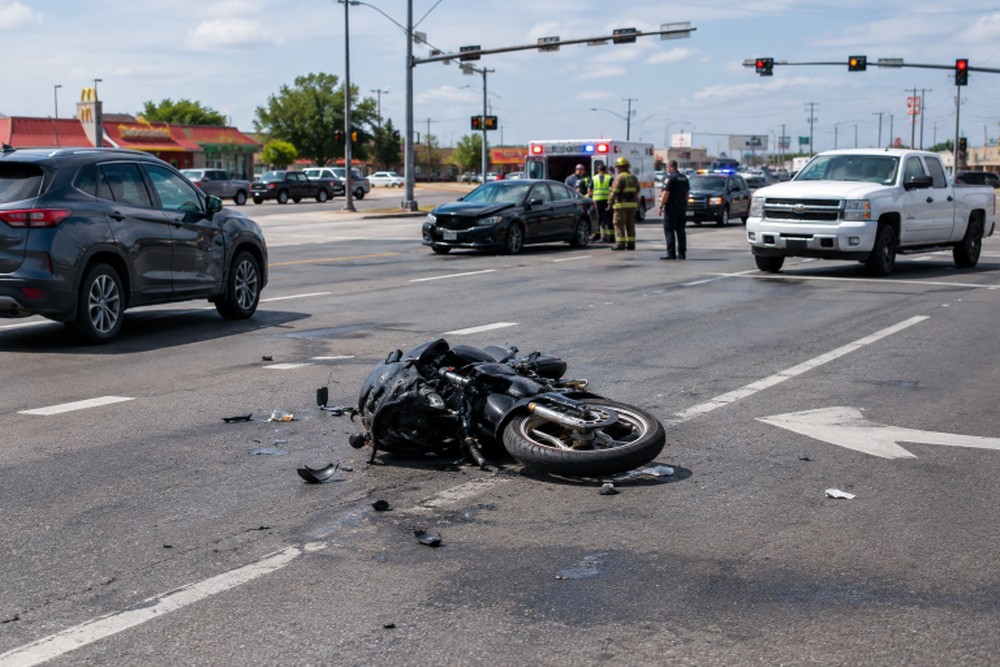
A motorcycle crash can turn an ordinary ride through Houston traffic, a Hill Country curve, or a busy Dallas intersection into a confusing and stressful situation. Safety comes first, but the choices made in the minutes and days afterward can also help create a clear record of what happened. This Texas Motorcycle Accident guide focuses on practical steps riders can take after a collision.
You do not need to solve every question about fault at the roadside. Focus on getting medical help, documenting conditions, protecting your motorcycle and gear, and keeping accurate records. Evidence can disappear quickly after traffic resumes, vehicles are moved, or surveillance footage is overwritten.
Take These First Steps at the Crash Scene
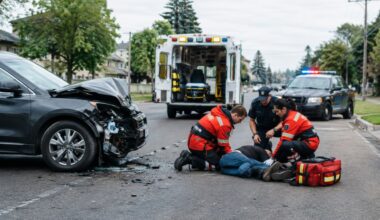
After impact, a rider may feel disoriented, angry, or too shaken to think clearly. The first priority is avoiding additional danger. If you can do so safely, move yourself out of active traffic. Do not move an injured person unless there is an immediate hazard, such as fire or oncoming vehicles.
- Call 911 and request emergency assistance when needed.
- Exchange contact, vehicle, and insurance information.
- Stay calm and avoid arguing with the other driver.
- Ask witnesses for names and phone numbers before they leave.
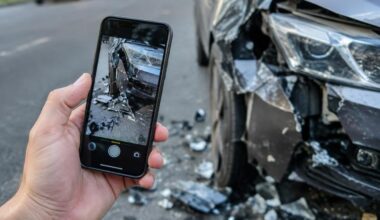
- Take photos only when it is safe to do so.
Get Medical Care Even if Symptoms Seem Mild
Some crash-related symptoms may not be obvious immediately. A rider may initially notice only soreness, then develop more significant pain or limitations later. Seek prompt medical evaluation when you have pain, dizziness, numbness, headache, difficulty moving, or any concern about an injury.
Medical Records to Save
- Emergency room and urgent care records
- Imaging results and prescriptions
- Follow-up instructions and referrals
- Physical therapy notes
- Work restrictions and missed-work documentation
Describe symptoms accurately at each appointment, follow the treatment plan when possible, and keep a simple journal of pain levels, sleep problems, mobility issues, and activities you cannot complete normally.
Preserve Evidence Before It Disappears
Texas roads can change fast after a collision. Debris may be cleared, rain can wash away markings, and a damaged motorcycle may be towed before you have a chance to inspect it. Photograph the scene and preserve items that may help explain the crash.
Photos to Take When Physically Able
- Your motorcycle from several angles
- Damage to every involved vehicle
- Lane lines, traffic signs, signals, and intersection layout
- Debris, tire marks, road defects, weather, and lighting
- Your helmet, jacket, gloves, boots, and other damaged gear
- Visible injuries, taken respectfully and privately
Do not repair, sell, discard, or substantially alter the motorcycle or protective equipment until its condition has been thoroughly documented. Keep original photos and videos rather than relying only on screenshots or social media uploads.
Find Witnesses and Video Footage
A crash can look different from each person’s viewpoint. A witness may have seen a driver turn left, merge without checking a blind spot, change lanes, or ignore a signal. Ask witnesses what they observed, but do not pressure them to take sides.
Potential Sources of Video
- Dash cameras and motorcycle cameras
- Traffic cameras
- Gas stations and storefronts
- Apartment entrances and doorbell cameras
- Cellphone recordings from bystanders
It can also be useful to review Texas motorcycle safety guidance, which emphasizes the need for drivers to look carefully for motorcycles before turning, merging, or changing lanes.
Be Careful When Speaking With Insurance Companies
Insurance representatives may ask about speed, lane position, weather, protective gear, traffic flow, and what you recall before impact. Give accurate facts, but do not guess about details you cannot remember. “I am not sure” is better than an estimate that later proves inaccurate.
- Do not minimize pain or limitations.
- Keep copies of emails, letters, photos, and claim documents.
- Avoid admitting fault before the full sequence is known.
- Do not post crash commentary or recovery updates publicly online.
- Review any settlement or release paperwork carefully before signing.
Track Motorcycle Damage and Financial Losses
Crash-related losses can extend well beyond a repair estimate. Save towing and storage invoices, repair estimates, transportation costs, medical bills, pharmacy receipts, pay stubs, and written work restrictions. A rider with a wrist injury, for example, may face therapy costs, missed income, and trouble completing ordinary tasks at home.
How Evidence Can Clarify Fault
Fault often depends on the complete picture, not a single statement made at the scene. Vehicle positions, damage patterns, witness accounts, video, road design, traffic signals, and visibility conditions may all be relevant. Ask practical questions: Who had the right of way? Did someone turn, merge, or change lanes? Were signals used? Does the physical damage match the accounts?
Mistakes That Can Hurt a Crash Claim
- Leaving too soon: You may lose the chance to identify witnesses or capture key photos.
- Delaying medical care: It can make injuries and symptoms harder to document.
- Repairing the motorcycle immediately: The damage may help show how the collision occurred.
- Throwing away damaged gear: Helmets and clothing can document the force and location of impact.
- Accepting a quick payment: Early offers may arrive before treatment needs are clear.
- Guessing about speed or timing: Uncertain estimates can create avoidable disputes.
A Simple Post-Crash Timeline
At the Scene
- Get to safety, call 911, exchange information, and identify witnesses.
- Photograph vehicles, road conditions, injuries, and equipment when safe.
Within the First Few Days
- Complete recommended medical care and save all records.
- Notify the appropriate insurance company.
- Request the crash report when it becomes available.
- Ask nearby businesses or residents whether video footage exists.
During the Following Weeks
- Track symptoms, treatment, missed work, and daily limitations.
- Keep one physical folder and one digital folder for crash records.
Frequently Asked Questions
What if the other driver says the crash was my fault?
Do not argue at the scene. Statements made immediately after a collision do not replace a full review of photos, vehicle damage, witness accounts, video, and other records.
What if I did not take photos?
Ask passengers, witnesses, responding officers, towing companies, and nearby businesses whether they have photographs or recordings. Medical records and later vehicle inspections may also be useful.
Should I give a recorded statement?
That may depend on your policy, the facts, and the reason for the request. Before providing one, understand the questions and avoid guessing about anything unclear.
Final Thoughts
After a Texas motorcycle crash, immediate safety and medical care come first. Once the urgent danger has passed, careful documentation can replace confusion with a more complete account of the collision. Preserve the motorcycle and gear, gather records, communicate accurately, and avoid rushing into decisions before the full picture is known.