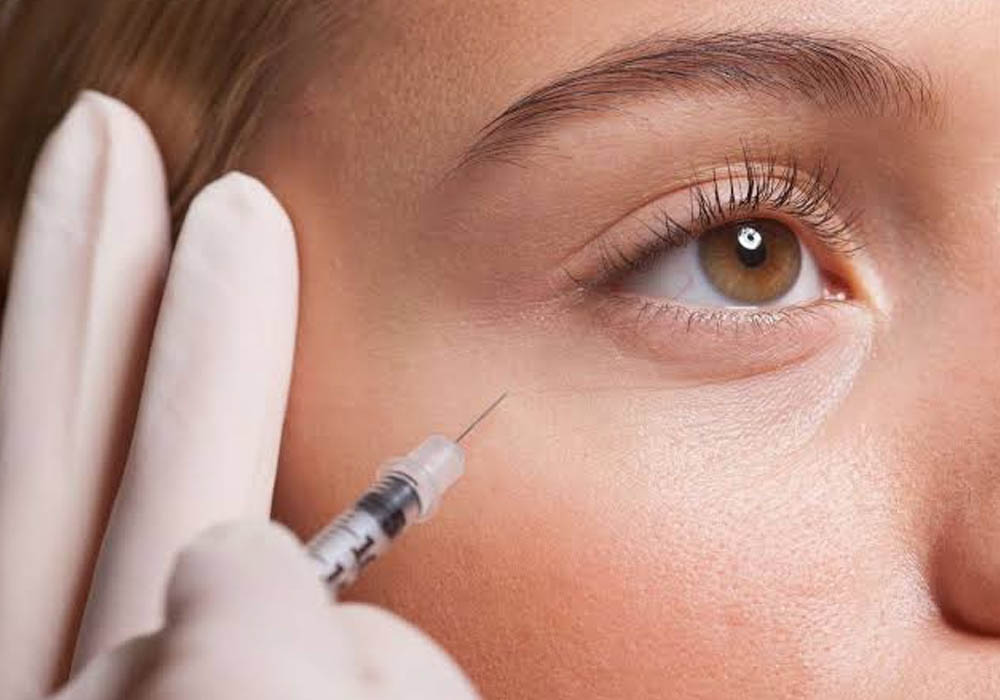
Not every needle on a supply shelf deserves a second look. Most are interchangeable, picked by habit more than by any real difference in performance. This one isn’t like that. It was engineered around a single, narrow goal, to make the thinnest possible needle that still holds up under the pressure of a loaded syringe. The TSK INViSIBLE NEEDLE is the result, and it’s worth understanding what it actually is before deciding where it fits into a practice.
Specs Before Anything Else
| Feature | Detail |
|---|---|
| Gauge | 34G |
| Outer diameter | Approx. 0.2mm |
| Length | 9mm (3/8 inch) |
| Hub type | Low Dead Space (LDS) |
| Material | Surgical stainless steel |
| Manufactured in | Japan |
| Compatible syringes | Luer lock and Luer slip |
| Packaging | 100 per box, individually sterile |
TSK calls this its thinnest needle to date, a claim that holds up against the rest of its own catalog. It’s roughly a third thinner than a standard 30G needle and about 14% thinner than the company’s own 33G option. That gap is the whole point of the product.
What It Was Designed For
Botulinum toxin injections are the headline use case, and for good reason. Toxin treatments are typically shallow, low volume, and repeated often on the same patient over months or years. A thinner needle reduces trauma across all those repeat visits. But BoNT isn’t the only place this needle shows up. Its size and hub design also suit other fine aesthetic injectables where precision counts more than speed.
Why The Hub Design Deserves Attention
Most people focus entirely on the tip and ignore the hub, which is a mistake. The hub is where the needle locks onto the syringe, and a weak connection under pressure means leaks or a needle popping off mid injection. TSK built this hub from a hard polymer specifically to resist flexing, paired with external threading for a tighter Luer lock grip. The Low Dead Space design inside that hub also matters for cost. TSK states the design can save up to 0.08ml of product per injection that would otherwise sit trapped and wasted in a standard hub.
Where This Fits Among Other TSK Needles
- Thinner than TSK’s 33G needle, which was previously the company’s finest aesthetic option
- Built with the same Low Dead Space hub found across TSK’s specialty needle lineup
- Designed to pair with TSK’s own low dead space syringes for maximum product savings
- Intended for single use only, discarded after each injection
Market Context Worth Knowing
Demand for fine gauge aesthetic needles has grown alongside the broader injectables market. Globally, botulinum toxin remained the most performed non-surgical cosmetic procedure in 2024, with 7.8 million procedures carried out by plastic surgeons according to the ISAPS Global Survey. That scale explains why manufacturers keep refining needle design instead of treating it as a solved problem. A needle a patient barely feels isn’t a luxury add-on anymore. It’s becoming close to an expectation.
Who Should Be Using It
This is a professional device meant for licensed injectors in a clinical setting, sold through medical suppliers rather than general retail. Anyone considering a switch should confirm it’s compatible with their existing syringe stock before ordering in bulk, since the Luer lock fit is specific to this needle family. A quick trial box before a full switch is a reasonable way to test comfort gains against a clinic’s own patients rather than trusting a spec sheet alone.
The Bottom Line On Fit
Not every practice needs the thinnest needle available. A clinic doing high volume, fast turnover appointments might weigh speed differently than one built around a slower, comfort first patient experience. Knowing which applications this needle actually suits, rather than assuming thinner always means better, is what separates a smart supply decision from a marketing driven one.