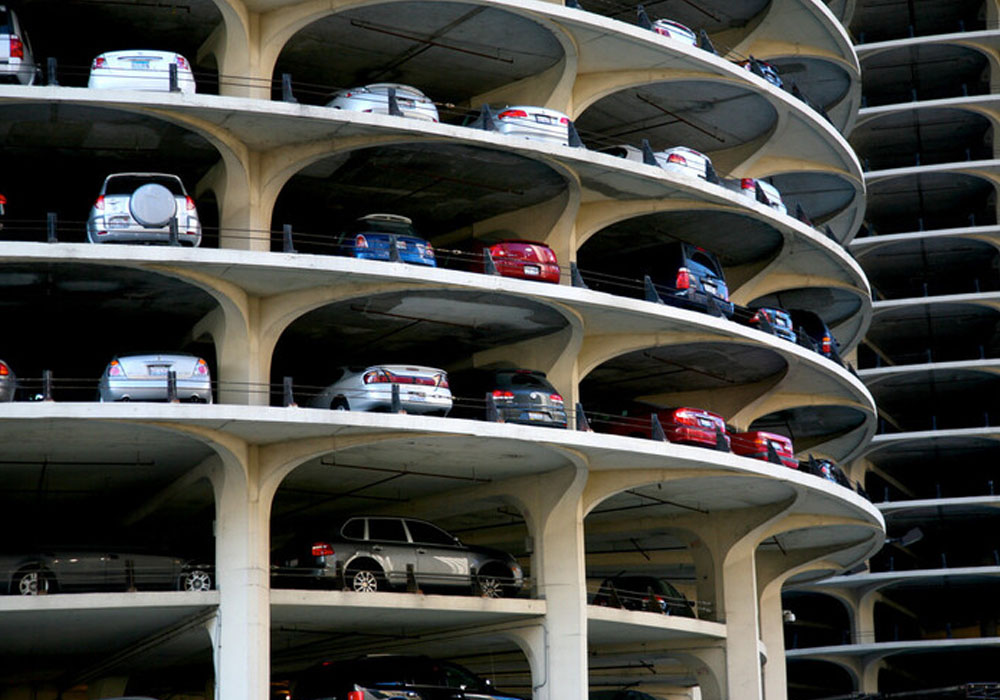
Parking garages have historically been incorporated into zoning plans to manage vehicle circulation and reduce congestion; their location also influences daily traffic patterns. Centralized facilities help improve traffic flow by reducing the number of drivers circling streets in search of available spaces. The time required to construct and maintain high-density parking structures also factors into decisions about whether and how garages should be prioritized in urban development plans. Here is more information on the relationship between parking and urban development:
The Role of Parking in Urban Planning
When urban development plans include parking facilities from the outset, rather than adding them later, the facilities are often sited more effectively. A strategically located garage helps minimize traffic congestion by reducing demand for on-street spaces. This approach promotes pedestrian-friendly design and, as a byproduct, improves crosswalk and sidewalk safety. Here are a few reasons multi-car garages have become part of urban development plans:
- Integrating transit connections: Some urban development plans include vehicle garages to support multimodal commuting. Builders aim to place them centrally so people are able to continue their trips without using their vehicles. In these cases, drivers park in structures near major transit hubs or event venues and then proceed to their destinations by bike, subway, or on foot, potentially increasing convenience and reducing congestion.
- Protecting vehicles: Covered garages shield cars from the elements. As a result, drivers spend less time scraping ice or clearing snow from their vehicles. This helps keep their cars in better condition by reducing damage from leaving them on busy streets. Some garages offer amenities for long-term use, such as 24/7 secure access and modern surveillance systems. These measures help deter vehicle theft and improve safety for users.
- Reducing emissions: Covered parking structures can reduce the amount of time drivers spend searching for available spaces. By limiting unnecessary vehicle circulation, these facilities help reduce fuel use and associated emissions. Integrating higher-density parking options into urban planning supports more efficient land use and influences traffic patterns in congested areas.
The Design Process for Accessibility and Safety
Some urban development projects include parking garages that replace open lots and on-street spaces with multi-level structures for commuters, share Bearcats Housing specialists. Replacing surface parking lots with multi-level structures preserves ground-level land for other uses, such as public amenities, green space, or housing. Parking garages are often integrated into mixed-use structures, located next to or beneath retail or residential areas. Shared-use designs provide parking access for people who live, work, or shop in surrounding communities and support more efficient use of space within the development.
Some covered garages are designed with tiered access to manage vehicle entry and exit during peak periods, such as after large events. Garage layouts often focus on improving circulation through organized entry and exit points or angled vehicle spaces. Grouped parking sections help motorists locate spaces suited to different vehicle types, such as motorcycles or oversized vehicles. Other space-saving designs use compact layouts to reduce the facility’s footprint and preserve areas for green space or pedestrian features.
Find Available Parking Garages Today
Covered parking garages are one component of urban development plans that address vehicle storage, access, and site design. Locating parking facilities near transit hubs or entertainment venues helps organize where drivers park and how they continue their trips. Garages near workplace buildings also improve convenience.
Some garage designs use tiered access and shared-use layouts to organize vehicle movement and integrate parking with surrounding spaces. Planners and developers evaluate these features based on parking demand, site conditions, and the goals of the overall project. When looking for parking in the city, choose garages that offer features that match your needs, such as secure access or connections to nearby destinations.