Roof damage can appear suddenly after severe weather or gradually through normal wear and tear. Addressing any concerns promptly helps protect the property from additional structural issues. Here are answers to common questions about roof repair to help homeowners make informed decisions when roofing issues arise:
When Should I Schedule Repairs?
Homeowners often ask when they should seek roof repair services. While obvious issues, such as leaks, need immediate attention, other minor concerns may also lead to extensive damage. Here are a few signs that indicate you need to schedule repairs for your roof:
- Cracked, curling, loose, or missing shingles
- Damaged or loose flashing
- Stains on ceilings or walls
- Sagging roof sections
- Loosened roof materials and small punctures
Homeowners should schedule a roof inspection after severe weather such as storms, report MRA Management Experts. This is a proactive step that helps safeguard the home’s structure even if damage is not immediately visible. A thorough assessment by professionals identifies any issues that may lead to larger repair projects.
Should I Repair or Replace My Roof?
Homeowners often need to decide between roof repair and full replacement based on the extent of damage and the condition of the roofing system. Limited damage in specific areas often requires targeted repairs rather than a complete replacement. Replacement decisions typically depend on factors such as roofing material, age, and previous maintenance. A replacement is worth evaluating when the roof has reached the end of its service life or when damage affects the overall structure. Repairs address isolated issues while maintaining the existing roofing system when the remaining materials are in good condition.
What Is Involved in the Repair Process?
Understanding the roof repair process helps homeowners recognize when they need to take action if they notice wear or aging materials. The entire process starts when the homeowner schedules an initial inspection. Professionals conduct a thorough inspection, assessing the roof to identify visible damage; this includes reviewing areas such as cracked flashing, missing shingles, and sagging spots. They also look for signs such as water leaks that indicate hidden leaks. This detailed evaluation allows them to determine the full extent of the damage and the best repair solutions.
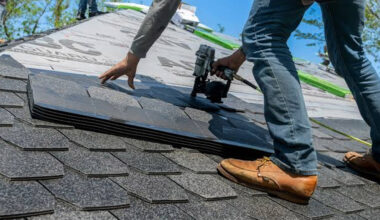
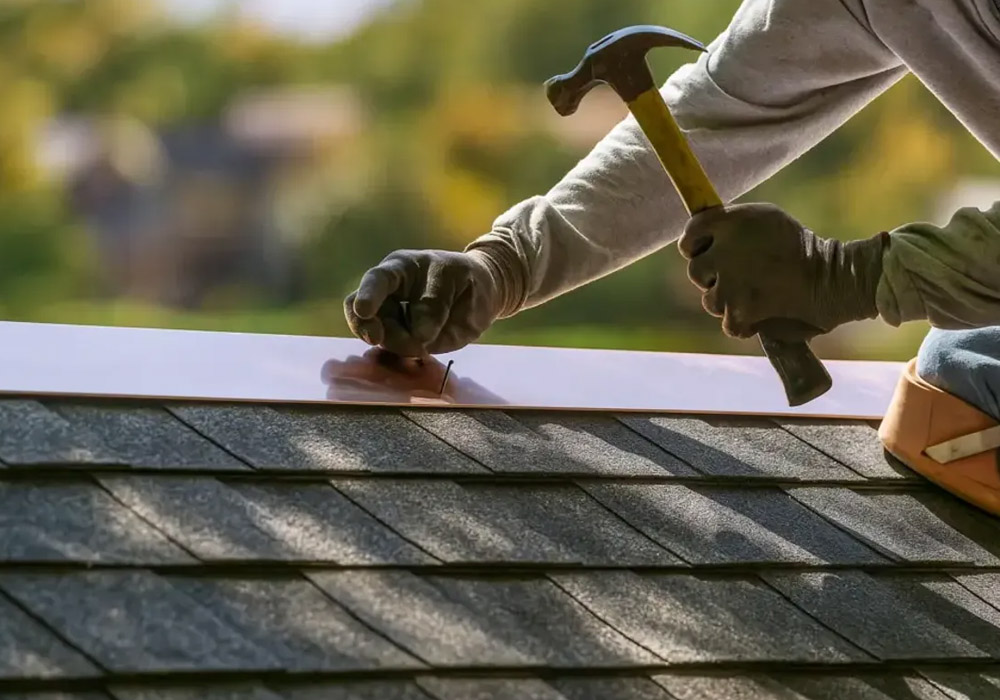
The right repair options are influenced by the age of the roof and the level of damage. Services include replacing shingles, repairing leaks, resealing flashing, and performing partial or full-scale reroofing. The contractors then perform a final inspection to verify that the repaired areas are functioning properly. They communicate with the property owner throughout the process, outlining the project’s scope and what work is being completed.
What Happens During Emergency Repair Services?
There may be times when homeowners require emergency repair services after severe roof damage. These repairs help prevent leaks and structural issues that will eventually lead to damage to the entire home. Before the repair team arrives, homeowners are advised to follow these safety precautions:
- Evacuate the building if you see sagging roof areas or hear cracking
- Turn off electricity if leaks are close to outlets and appliances
- Do not climb on the roof
- Call the utility company if power lines have been brought down
Roofing companies start by making temporary repairs to safeguard the home. They can use a tarp to cover certain areas of the home, minimizing water intrusion. The team will then conduct full repairs or replacements to get the home back to its pre-damage state.
Get Professional Roof Repair Services
Experienced roofing professionals carry out repairs tailored to the roof’s condition. They offer permanent solutions rather than temporary fixes that do not address the underlying issue. Schedule roof repairs with trained professionals today to prevent further damage to your home.