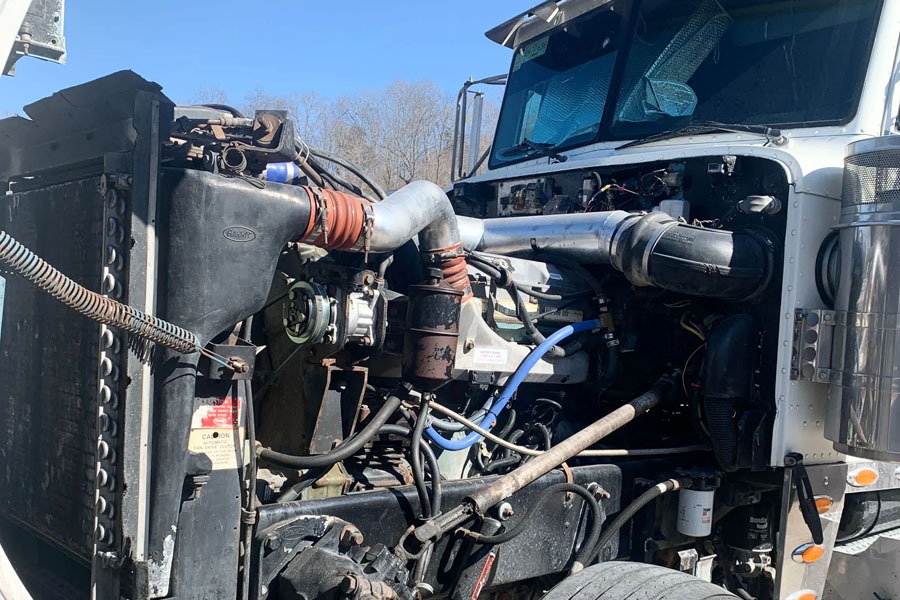
A broken-down truck costs more than your initial repair estimate. Every hour it’s sitting in a workshop is another hour it misses out on making you money.
For a trucking business, engine performance isn’t a nice to have. It’s the single biggest factor that decides whether a fleet makes a profit or bleeds cash.
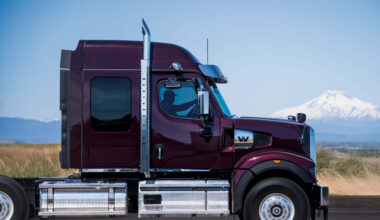
Looking at how engines from Western Star Trucks Australia are built shows exactly why performance and uptime are tied together so tightly.
This article really gets into the actual figures for engine performance, downtime – and just how much money a company loses when an engine doesn’t perform well enough.
How Much Does Truck Downtime Actually Cost?
Downtime costs more than most people expect. The American Transportation Research Institute puts average downtime cost at over 700 US dollars per day, once you count lost freight revenue, driver wages, and the repair itself. For an Australian operator running road trains, that number climbs higher because of distance from service centres. A breakdown 300 kilometres from the nearest town doesn’t just cost money. It can cost days.
| Reliability Factor | Impact on Business |
| Engine rebuild interval | Longer interval means fewer scheduled workshop days per year |
| Breakdown frequency | Each unplanned stop costs lost freight revenue and driver pay |
| Fuel efficiency | Better burn rate lowers cost per kilometre across every trip |
| Parts availability | Faster repairs when common parts are stocked locally |
Does Better Engine Performance Mean Better Fuel Economy?
Mostly, yes, though it’s not a perfectly straight line. An expertly designed engine will burn fuel much more efficiently – because combustion is neater and the turbo provides its boost at just the right moment rather than squandering fuel with poorly timed deliveries. The US Department of Energy says that even a 5% increase in efficiency over an entire fleet of 50 trucks driving 150,000 kilometers each year saves tens of thousands of liters of diesel every year. That’s not small for any business watching margins.
What Role Does Torque Play in Daily Productivity?
Torque decides how fast a loaded truck gets back up to speed after every stop sign, hill, and intersection. A truck with weak low end torque spends more time in lower gears, burns more fuel climbing grades, and takes longer on every single trip. Multiply that across hundreds of trips a year and the time loss becomes real money, not just driver frustration.
What Should Fleet Managers Track to Protect Productivity?
Fleet managers who want to protect uptime need to watch a short list of numbers closely, not just fuel receipts at the end of the month.
- Engine hours between scheduled services, to catch wear before it causes a breakdown
- Average fuel burn per kilometre across each route, not just the fleet average
- Unplanned downtime days per truck per year, tracked individually, not as one lump number
- Cost per kilometre over rolling twelve month periods, which shows the real trend line
Is Spending More on a Stronger Engine Worth It?
In almost every case I’ve seen the numbers for, yes. A much stronger, far better engineered engine will cost more initially – yet the difference really narrows quite quickly when you consider fewer breakdowns, better fuel efficiency, and fewer failed deliveries. Companies focusing solely on the initial price tag and neglecting the 5-year cost-per-kilometre calculation will actually pay double – once at the dealer’s hands and then again every time a less reliable engine fails them on the road itself.