Combining London and Paris in five days might sound ambitious, but the two capitals work surprisingly well together. Both offer famous landmarks, distinctive neighbourhoods, excellent food, museums, parks, and countless opportunities for memorable walks. With a little planning, travellers can enjoy the highlights of each city without turning the trip into a race from one attraction to another.
The key is to treat the journey as two connected city experiences rather than trying to see everything. Three days in London followed by two days in Paris creates a practical introduction to both destinations, with enough flexibility for unexpected discoveries along the way.
Day One: London’s Classic Landmarks
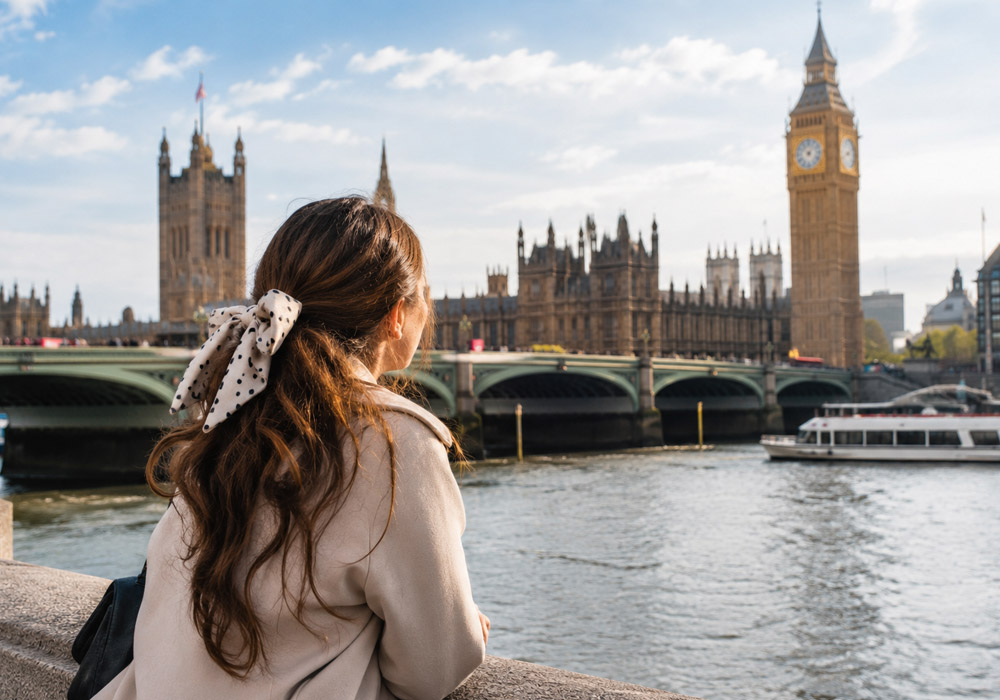
Begin the first morning with some of London’s most recognisable sights. Westminster provides an ideal introduction, with the Houses of Parliament, Westminster Abbey, and the River Thames all within easy reach of one another. From there, walk towards Buckingham Palace. If timing allows, visitors can check the schedule for the Changing of the Guard, although the surrounding area is worth seeing even when the ceremony is not taking place. St James’s Park provides a welcome break afterwards. Its paths, lawns, ponds, and resident wildlife make it an enjoyable place to pause before continuing towards Trafalgar Square. Spend the afternoon around Covent Garden, where market halls, street performers, shops, cafés, and restaurants create a lively atmosphere. There is plenty to see without following a strict schedule.
Day Two: Museums and Neighbourhoods
London’s museums can easily fill an entire holiday, so choose one major institution rather than attempting several in one day. The British Museum offers an enormous collection covering cultures and civilisations from around the world. Families and first-time visitors may prefer selecting a few highlights instead of trying to explore every gallery. Afterwards, head towards Soho or nearby Chinatown for lunch. The surrounding streets provide plenty of options for a quick meal or a longer break. Later, explore another side of central London. Leicester Square, Piccadilly Circus, and Regent Street are close enough to connect on foot, while a short Underground journey can take you towards another neighbourhood. Finish the evening with dinner somewhere that reflects London’s international food scene. From traditional British dishes to cuisines from almost every corner of the globe, the capital offers remarkable variety.
Day Three: Markets, Parks and the Thames
The final full day in London is a chance to explore beyond the most famous landmarks. Borough Market is an excellent morning stop for visitors who enjoy food. Stalls offer everything from baked goods and cheeses to international dishes and sweet treats. Continue towards the South Bank, where the Thames provides a scenic walking route. Depending on your interests, the Tate Modern, Shakespeare’s Globe, or London Eye can be incorporated into the afternoon. A riverside walk also gives a different perspective on the capital. Bridges, historic buildings, modern architecture, and passing boats create an ever-changing cityscape. Keep the evening relatively relaxed. The next morning brings a change of country, so an early night can make the transition much easier.
Day Four: Crossing the Channel
Start the fourth day with the London to Paris train, which makes travelling between the two capitals remarkably straightforward. Instead of spending hours at an airport and arranging transfers on both sides, passengers can travel directly between central areas. Arriving in Paris gives you immediate access to another great European capital. Once luggage has been left at the hotel, head towards the Seine. Notre-Dame and the surrounding Île de la Cité provide an atmospheric introduction to Paris. Continue towards the Latin Quarter, where narrow streets, bookshops, cafés, and restaurants make wandering especially enjoyable. For the evening, consider a relaxed Seine cruise. Seeing Paris from the water provides a different perspective on its bridges and monuments and is an easy way to rest after travelling.
Day Five: Parisian Highlights
Use the final day for some of Paris’s most famous sights. Begin at the Eiffel Tower, ideally earlier in the morning when the area can feel less crowded. After taking in the views, make your way towards the Champs-Élysées and the Arc de Triomphe. The broad avenue provides a classic Parisian setting, although the city becomes more interesting when you venture into smaller surrounding streets. The afternoon can be devoted to the Louvre if art and history are priorities. Given its immense size, choose specific galleries or masterpieces in advance. Alternatively, visitors who prefer a more relaxed day can explore Montmartre. Its winding streets, artistic history, Sacré-Cœur, and elevated views make it a rewarding place to finish a Paris stay.
Choosing Where to Stay in London
Location can make a significant difference during a five-day trip. Staying near a well-connected Underground station reduces time spent travelling between attractions. Covent Garden, South Bank, Westminster, Bloomsbury, and areas around major railway connections can all work well, depending on budget and preferences. The goal is not necessarily to stay in the most famous neighbourhood. Convenient transport links can be more valuable, especially when the itinerary includes several different areas.
Finding the Right Base in Paris
Paris is similarly easy to explore when accommodation is close to public transport. The central arrondissements provide convenient access to many attractions, while neighbourhoods slightly farther out can offer a quieter atmosphere. Look for a location near a Metro station and within walking distance of restaurants and everyday amenities. Having somewhere nearby for breakfast or a late dinner can be especially useful during a short trip when every hour counts.
How to Avoid an Overloaded Schedule
Five days can disappear quickly in two major capitals. The temptation is to create an enormous checklist, but this often leads to tiredness and less enjoyable sightseeing. Instead, group attractions geographically. Seeing Westminster, Buckingham Palace, and St James’s Park together makes more sense than crossing London repeatedly. The same principle applies in Paris. Combining nearby sights into one walking route reduces unnecessary travel and leaves more time for cafés, markets, parks, and spontaneous discoveries.
What to Eat Along the Way
Food deserves a place in the itinerary rather than being treated as an afterthought. London offers classic choices such as fish and chips, pies, Sunday roasts, and afternoon tea, alongside an enormous international dining scene. Paris brings its own collection of tempting options, from croissants and baguettes to crêpes, pastries, cheeses, and traditional French dishes. Markets can be particularly useful during a short trip because they allow travellers to sample several foods without committing to a lengthy restaurant meal.
Keeping the Journey Comfortable
A small amount of preparation can make this itinerary much smoother. Comfortable shoes are essential because both cities reward walking, while a reusable water bottle and compact day bag can be useful throughout the day. Public transport should be used strategically rather than automatically. Walking between nearby attractions often provides a better sense of each neighbourhood. It is also wise to leave some empty space in the schedule. A delayed breakfast, an interesting shop, or an unexpected street performance can be part of the experience.
London and Paris Beyond the Famous Sights
The major landmarks are worth visiting, but the character of both cities is often found in smaller details. London’s residential streets, independent bookshops, historic pubs, public gardens, and local markets reveal a more everyday side of the capital. Paris offers neighbourhood bakeries, small squares, riverside paths, cafés, and local boutiques. Even during a five-day visit, making room for these ordinary moments can make the trip feel much richer.
A Practical Five-Day Balance
Three days in London provide enough time to experience major landmarks, museums, markets, and neighbourhoods without trying to cover the entire city. Two days in Paris are more compact, but careful planning makes it possible to see several highlights while still enjoying the city’s atmosphere. The most important thing is to accept that neither city can be completely explored in a single visit. The aim is to leave with memorable experiences and a desire to return.
Conclusion
A five-day London and Paris itinerary offers an exciting introduction to two of Europe’s most celebrated capitals. London brings royal landmarks, world-class museums, diverse neighbourhoods, and the Thames, while Paris adds grand avenues, historic streets, famous monuments, and its unmistakable café culture. By keeping the schedule focused, choosing accommodation wisely, and allowing enough time for rest, travellers can cross the Channel without feeling rushed. The result is a compact but rewarding European escape that combines two very different cities in one memorable journey.