Finding bed bugs in your residence can be overwhelming, and deciding how to eliminate them can be just as stressful, highlights the Harper Property Management team. Homeowners usually encounter two common options: heat treatment and chemical treatment. While both methods target bed bugs, they work in very different ways and produce different results.
Learning these differences helps you make a more informed decision before investing in professional pest control. So, read this blog to learn more.
How Bed Bug Heat Treatment Works
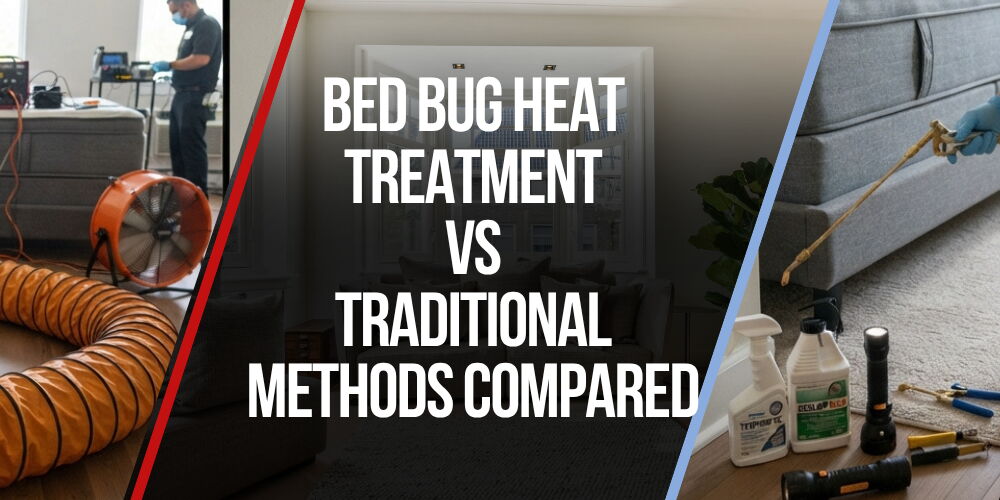
Bed bug heat treatment uses specialized equipment to raise the temperature throughout an infested area to levels that bed bugs cannot survive. Rather than focusing on individual hiding spots, technicians heat the entire room or structure in a controlled manner.
Throughout the process, technicians place temperature sensors in strategic locations to monitor conditions and ensure every area reaches the target temperature. They also adjust airflow as needed to eliminate cool spots where bed bugs could remain hidden.
How Chemical Treatments Work
Chemical treatments rely on professional-grade insecticides that pest control technicians apply directly to locations where bed bugs are likely to hide or travel. Instead of treating an entire room with heat, technicians focus on cracks, crevices, bed frames, furniture joints, baseboards, and other known harborages. Different formulations may include liquid sprays, dusts, or aerosol products depending on the infestation and the treatment plan.
Comparing Bed Bug Heat Treatment and Chemical Treatments
Now that you understand how each method works, it’s easier to compare their practical differences. Although both approaches aim to eliminate bed bugs, they vary in how they perform under real-world conditions. The following comparison looks at bed bug heat treatment and chemical treatments based on four important factors that homeowners often consider before making a decision.
Effectiveness
When comparing effectiveness, bed bug heat treatment offers a significant advantage because it targets all stages of the bed bug life cycle simultaneously. Heat penetrates many hiding places that sprays cannot easily reach, making it highly effective against widespread infestations.
By comparison, chemical treatments depend on bed bugs coming into contact with treated surfaces. While they remain effective in many cases, missed hiding spots, resistant populations, or surviving eggs can reduce overall success. Therefore, chemical programs often require careful monitoring and repeated applications.
Time Required
Time also influences many homeowners’ decisions. In many situations, bed bug heat treatment completes the entire process in a single day. After technicians finish heating and monitoring the property, homeowners can often return once temperatures safely return to normal.
Chemical treatments usually take longer to complete because technicians must perform follow-up visits. Although each appointment may not last long, the entire elimination process can extend over several weeks before confirming that the infestation has ended.
Safety Considerations
Safety depends on proper preparation and professional application regardless of the chosen method. During bed bug heat treatment, technicians remove or protect heat-sensitive belongings while monitoring equipment throughout the service. Since the process does not rely on pesticides, many homeowners value the reduced chemical exposure it offers.
Chemical treatments, however, require careful handling because insecticides must remain effective without creating unnecessary risks. Professionals follow product labels precisely, and homeowners may need to follow temporary re-entry instructions or preparation guidelines before and after treatment.
Long-Term Results
Long-term success depends on the complete elimination of infestations and the prevention of future infestations. Bed bug heat treatment often delivers immediate results because it kills eggs, nymphs, and adults during a single comprehensive service. Nevertheless, no treatment prevents new bed bugs from entering the home later through travel, secondhand furniture, or other sources.
Chemical treatments can also provide lasting control, especially when combined with regular inspections and preventive measures. However, achieving the same level of confidence may require additional appointments before technicians confirm that every remaining bed bug has disappeared.
Which Option Is Best for Your Situation?
The right solution depends on several important factors, including the infestation’s severity, your budget, your timeline, and the condition of the affected property. For large or well-established infestations, bed bug heat treatment often provides faster and more comprehensive results because it reaches areas that chemicals may miss.
Meanwhile, smaller infestations may respond well to professionally applied chemical treatments when follow-up visits remain practical.
Choosing the Right Bed Bug Treatment
Choosing between chemical treatments and bed bug heat treatment requires more than just comparing prices. Every infestation differs, so professional evaluation remains the best way to determine the most effective solution. If you want to understand whether heat is the right choice for your home, learn about bed bug heat treatment from HeatTech.