Sagging floors develop when moisture-related issues affect structural materials beneath the home. Excess moisture creates conditions associated with wood rot, and deterioration of wooden support components can affect floor stability over time. Crawl space encapsulation helps limit moisture movement through floors and walls as part of a waterproofing approach. Here are a few ways to prevent and treat sagging floors:
Inspect Crawl Space Conditions
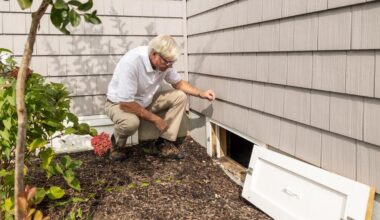
A thorough crawl space inspection identifies existing moisture problems beneath the home. Professionals examine the current condition of the crawl space before recommending waterproofing measures, including crawl space encapsulation. Experts look for moisture-related concerns that affect the space, and the findings help determine the appropriate solution. Moisture problems differ between crawl spaces, and detailed evaluations reveal the specific issues affecting each area. The findings guide the selection of waterproofing measures that match the needs identified during the inspection.
Improve Crawl Space Drainage
Poor drainage allows excess moisture to collect beneath a home, points out Compass Property Management, a trusted provider of property management Acworth GA. Excess moisture creates conditions associated with foundation deterioration, and wood rot develops after prolonged exposure. An internal drainage system redirects water away from the home before moisture accumulates beneath the structure. Water leaves the crawl space through a controlled path, which limits recurring moisture exposure beneath the foundation.
Drainage solutions vary based on the source and volume of water entering the crawl space. Options include perimeter drains, sump pumps, and more. A sump pump collects water at a designated low point and moves it outside through a discharge pipe. Some systems also include battery backup pumps to provide continued operation during power outages.
Install Vapor Barriers
High-quality vapor barriers limit water vapor movement through crawl space floors and walls. Crawl space encapsulation typically includes a vapor barrier installed across these surfaces. Seams, edges, and penetrations require proper sealing to create continuous coverage. This reduces moisture vapor entering the crawl space through the floor and walls. Encapsulation systems also address exposed surfaces around columns, piers, and other areas where vapor barriers are installed.
Manage Crawl Space Humidity
Crawl space dehumidifiers remove excess moisture from the air by collecting water vapor and lowering relative humidity. Maintaining appropriate humidity levels helps limit the conditions that support mold and mildew growth. Lower humidity also reduces the potential for condensation on cooler surfaces within the crawl space.
Dehumidifiers work alongside waterproofing measures by addressing moisture that remains in the air after water intrusion is controlled. Proper humidity levels help protect wood framing and other moisture-sensitive materials from prolonged exposure to damp air. A dehumidifier also helps control musty odors associated with elevated humidity and damp conditions.
Humidity control affects the air entering the living areas above the crawl space, particularly in homes with connected air pathways. Insects and other moisture-sensitive pests also encounter less favorable conditions when humidity remains controlled. Regular maintenance, including filter changes and condensate removal, keeps the dehumidifier operating as intended.
Proper equipment sizing and professional placement ensure the system manages moisture effectively throughout the enclosed space. Investing in professional dehumidifier installation helps establish consistent humidity control, protecting structural wood components from ongoing dampness and reducing the long-term risk of floor sag.
Seal Air Entry Points
Vents, cracks, and gaps allow outside air to enter the crawl space, bringing moisture with it when outdoor humidity is high. Sealing these openings limits uncontrolled air exchange and reduces the amount of humid air entering beneath the home. Contractors typically seal gaps around pipes, wiring, ducts, vents, and other penetrations through the crawl space walls.
Insulation is installed separately from air sealing and helps reduce heat transfer through crawl space walls or floors. Properly installed insulation also helps maintain more stable temperatures within the enclosed space. Air sealing and insulation address both uncontrolled air movement and heat transfer within the crawl space.
Schedule Crawl Space Encapsulation
Maintaining a dry crawl space requires solutions that address specific moisture conditions beneath the home. Crawl space encapsulation helps control moisture movement through floors and walls. Waterproofing specialists evaluate existing conditions, and they recommend solutions that match the moisture concerns identified during inspection. Contact crawl space specialists today to schedule an evaluation and find the appropriate waterproofing measures.