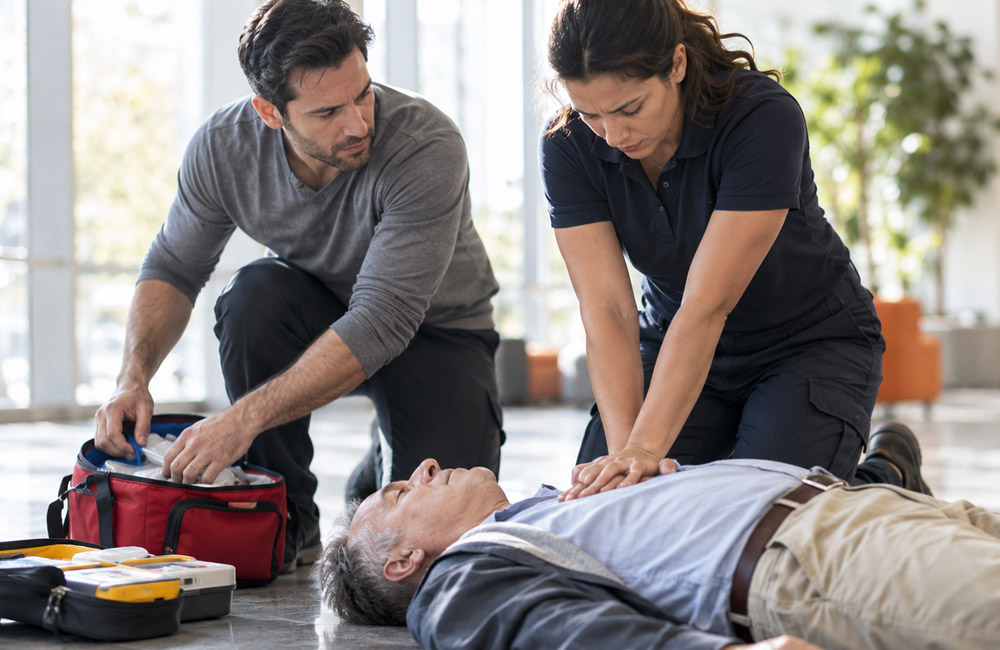
Emergencies occur without warning and leave people with limited time to respond before professional medical services arrive. CPR provides a structured response during such situations, helping patients get quick and reliable help. Here is how this technique can help save lives in emergency response situations:
Provides Immediate Response
Emergencies require immediate attention because the person is unable to maintain normal breathing and circulation without intervention. Trained responders use CPR to begin life-support measures while professional emergency personnel are on the way. Training includes courses that teach participants to recognize early signs of common emergencies and perform the required techniques. Some of the situations that require immediate response include the following:
- Cardiac arrest
- Choking incidents
- Drowning or near-drowning accidents
- Electric shock or electrocution
Immediate response is particularly helpful for cardiac arrest because prompt medical intervention increases the chances of survival. The first few minutes after an individual collapses make a substantial difference in patient outcomes, provided the right technique and equipment are used. It helps preserve the function of organs by maintaining blood flow.
CPR training also covers other areas, including medical, injury, and environmental emergencies. Trained professionals obtain the skills to handle most situations in a calm and professional manner. This helps them immediately respond to the situation and provide help that could save lives.
Offers Prolonged Care
Medical emergencies can occur anywhere, including in remote locations where patients are far from hospitals and emergency services. Some of these situations include hypothermia, altitude sickness, heat-related illnesses, and wildlife encounters. CPR courses may include first aid training to help responders provide prolonged care when professional medical help is delayed. In these situations, responders help to maintain a patient’s stability for several hours or, in some cases, even days while awaiting evacuation or advanced medical care.
During training, individuals also learn to improvise with whatever they have. This is a helpful skill because remote locations often lack advanced medical equipment such as AEDs. They stabilize the patient and figure out an effective evacuation strategy based on the severity of the injury, available resources, and type of terrain.
Caters to Different Age Groups
Emergency response techniques differ depending on whether the person in need of assistance is an adult, child, or infant. CPR courses address these differences, helping participants learn techniques appropriate for the person involved. Some of these age-specific topics include the following:
- Pediatric Advanced Life Support
- Infant and child-specific CPR
- Use of AED on infants and adults
- Adult CPR
Allows for Collaboration
Coordination is especially useful when an emergency involves more than one responder. CPR training covers both single-rescuer and two-rescuer techniques, preparing learners to respond to situations that require different approaches. During an emergency, responders can divide responsibilities, communicate with one another, and work together to provide appropriate care while arranging additional medical assistance when needed.
Collaboration also plays a key role in emergencies involving multiple patients. Trained responders use established procedures to assess and assist patients in an organized manner, allowing them to address immediate needs while continuing to monitor and assist others. Through their training, responders learn to prioritize patients based on the severity of their condition and provide appropriate care while awaiting further medical support. They also communicate with patients and their loved ones in a calm and reassuring manner, which helps support cooperation and reduces confusion while lifesaving interventions are being performed.
Start CPR Training Today
CPR training helps responders act immediately, provide sustained care, support different age groups, and work together. This can help save lives during emergencies such as cardiac arrest or drowning. The training is available for all members of the public, including first responders, healthcare professionals, and families. Start by choosing a CPR course that matches your responsibilities to develop practical emergency response skills.