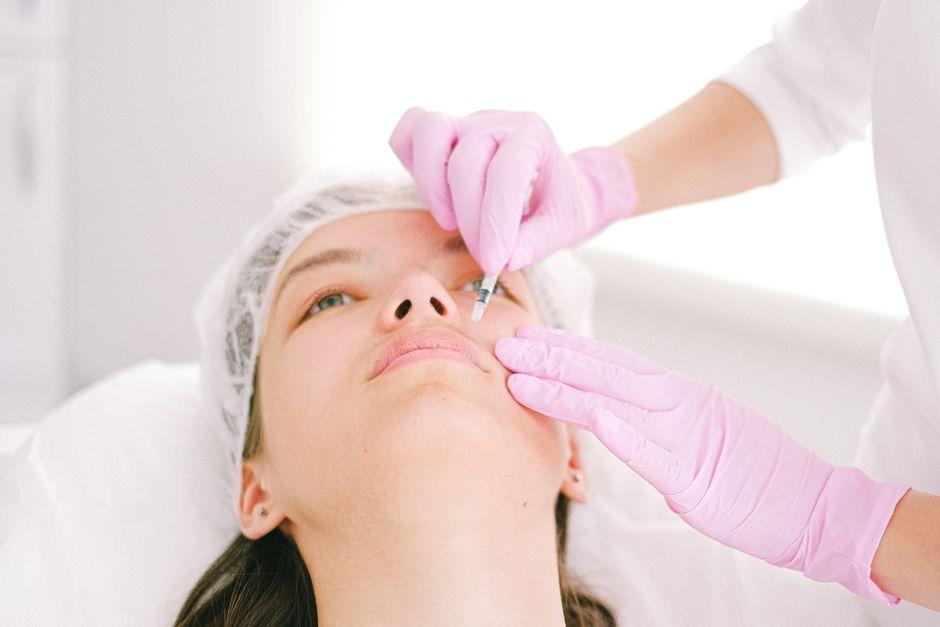
Cosmetic treatments have become much more mainstream, especially options designed to create noticeable changes without surgery or lengthy recovery. The American Society of Plastic Surgeons reported more than 5.3 million hyaluronic acid filler procedures in the U.S. in 2023, making fillers one of the most common minimally invasive cosmetic treatments.
That popularity can make the decision feel deceptively simple. In reality, results depend on the product used, the area treated, the provider’s technique, and 5your own facial structure and goals. If you’re in Massachusetts, including communities such as Northborough, access to non-surgical cosmetic treatments is increasingly easy to find. Before booking, it helps to understand what fillers can realistically do, how long results may last, what risks are involved, and how to choose a qualified medical provider.
What dermal fillers are designed to do
Dermal fillers are injectable gels used to add volume, soften lines, and refine facial contours. You’ll usually see them used in the lips, cheeks, chin, jawline, smile lines, and under-eye area, though not every face is a fit for every area.
Most modern fillers are made with hyaluronic acid, a substance your body already produces. That sounds reassuring, and it should, but “natural” doesn’t mean casual. These are still medical treatments that affect shape, balance, and movement.
A good provider looks at your whole face, not just one feature in isolation. If you only focus on a single wrinkle or a slightly flat lip, you can miss the bigger aesthetic issue: harmony. The goal often isn’t to make you look different. It’s to make you look less tired, less hollow, or a bit more defined.
How to tell whether you’re a good candidate
Not everyone should get fillers, at least not right away. Your health history, facial anatomy, goals, and expectations matter more than your Pinterest board.
You may be a reasonable candidate if you:
– Are in generally good health
– Want modest to moderate improvement
– Understand that results are temporary
– Are willing to follow aftercare instructions
– Can accept that small swelling or bruising may happen
You may need to wait or skip treatment if you’re pregnant, breastfeeding, dealing with an active skin infection, or prone to certain complications. Some people are also trying to solve a concern that filler won’t address well. A sagging issue may need skin tightening. A shadow may be caused by bone structure, not volume loss.
If you’re considering dermal fillers Northborough has plenty of options for professional treatment, with providers offering different filler types and approaches depending on your goals, facial structure, and the areas you want to address.
Why people get fillers and what results usually look like
The biggest reason people try fillers is simple: they want targeted changes without surgery. You can often return to work, school, or regular life quickly, even if you’re hiding from the world with an ice pack for a day.
Common goals include:
– Restoring cheek volume that has faded over time
– Making lips look more balanced, not necessarily larger
– Softening deep smile lines
– Improving chin projection or jawline definition
– Reducing a hollow or shadowed look under the eyes
The best filler results are usually the least obvious ones. If people immediately ask, “What did you have done?” that may not be the glowing success story you had in mind.
Fillers also don’t behave like photo filters. They can improve contour and volume, but they won’t fix skin texture, large pores, redness, or every sign of aging. For those concerns, you may need a completely different treatment plan.
The consultation matters more than the injectables menu
A lot of people shop for fillers by brand name, syringe count, or trending treatment area. That approach can backfire fast. Your consultation is where the real quality control happens.
A strong consultation should cover:
– Your goals and what bothers you most
– Your medical history and current medications
– The injector’s assessment of your facial structure
– Risks, benefits, and likely longevity
– Whether filler is the right option at all
The last point matters. Ethical providers sometimes say no, or at least “not yet.” That’s not bad customer service. That’s judgment.
You should also ask what product is being used and why. Different fillers have different thicknesses, flexibility, and ideal treatment zones. Lip filler and cheek filler are not interchangeable just because they came in a syringe. Your face is not a DIY shelving project.
Risks, side effects, and the stuff social media skips
Most filler side effects are mild and temporary, including swelling, tenderness, redness, and bruising. Those are common and usually settle within days. Still, filler is not risk-free, and pretending otherwise is careless.
Potential issues include:
– Lumps or uneven texture
– Asymmetry
– Product migration
– Prolonged swelling
– Allergic or inflammatory reactions
– Vascular occlusion, a rare but serious complication
That last one deserves attention. Vascular occlusion happens when filler affects blood flow. It requires urgent recognition and treatment. You don’t need to panic, but you do need a qualified injector who knows anatomy and can respond appropriately.
This is one reason bargain shopping is risky. A lower price can reflect many things, and not all of them are comforting. Experience, emergency readiness, and careful technique are part of what you’re paying for, even if they don’t photograph as nicely as a before-and-after carousel.
What recovery and maintenance really involve
Recovery is usually manageable, but “lunchtime procedure” can be misleading. You might be technically free by lunchtime and still a little puffy by dinner.
After treatment, many providers advise you to:
– Avoid strenuous exercise for about 24 hours
– Skip heavy alcohol use for a day or two
– Hold off on aggressive facial massage unless instructed
– Use cold compresses carefully for swelling
– Sleep with your head slightly elevated if swelling is noticeable
Results may look uneven at first because swelling can distort the final picture. Patience helps. So does not staring at your face in a magnifying mirror every 11 minutes.
Maintenance depends on the product used, the area treated, and how quickly your body metabolizes filler. Some results may last around six months, while others can hold up closer to a year or more. Repeat treatment is common, but chasing perfection tends to produce worse outcomes than measured upkeep.
How to make a decision you won’t regret
If you’re thinking about fillers, your best move is to treat the process like a medical-aesthetic decision, not an impulse purchase. Start with your reason. Are you trying to refresh your appearance, correct asymmetry, or keep up with a trend that might look dated by next spring?
A smart decision usually includes:
- Choosing a qualified, experienced injector
- Having realistic expectations about subtle improvement
- Understanding the costs of maintenance over time
- Knowing the possible complications before treatment
- Being open to hearing that another option may suit you better
Before moving forward, review the FDA’s guidance on dermal filler benefits and risks, which covers potential complications and questions to consider before treatment. The American Academy of Dermatology also provides practical information about fillers and what to expect, including how they are used and why provider experience matters.
Fillers can produce subtle, natural-looking improvements when used appropriately, but results depend heavily on product selection, placement, and technique. You don’t need to fear them, and you definitely don’t need to romanticize them either. A calm, informed approach will take you much farther than hype ever will.