Our skin is our body’s largest organ, serving as a dynamic, front-line shield against environmental stressors, pathogens, and UV radiation. Despite its remarkable resilience, the skin is also deeply sensitive to internal imbalances and external irritants. When something goes wrong beneath the surface or along the epidermal barrier, it manifests in visible, often uncomfortable ways.
Understanding common skin troubles and their root causes is the first step toward effective management, relief, and long-term health. Whether you are navigating occasional breakouts or chronic inflammation, getting to the bottom of what your skin is experiencing empowers you to make informed decisions for your skincare routine.
Most Common Skin Conditions
1. Acne Vulgaris
Acne is one of the most widespread conditions worldwide, affecting people of all age groups, though most prevalent during adolescence.
- The Cause: Acne develops when hair follicles become clogged by an excess of sebum (oil) and dead skin cells. This environment encourages the growth of bacteria, triggering localized inflammation, pimples, blackheads, and painful cysts. Hormonal fluctuations, stress, diet, and improper skincare products can significantly exacerbate these breakouts.
2. Eczema (Atopic Dermatitis)
Eczema is marked by dry, red, intensely itchy patches of skin that often crack or bleed when scratched.
- The Cause: At its core, eczema stems from a compromised skin barrier function alongside immune system dysregulation. Genetics play a substantial role, impairing the skin’s ability to retain moisture. Common triggers include harsh detergents, allergens, weather changes, and stress.
3. Psoriasis
Psoriasis is a chronic condition characterized by thick, red skin patches covered with silvery scales, most commonly appearing on elbows, knees, and the scalp.
- The Cause: Psoriasis is an autoimmune condition. In a typical cycle, skin cells grow and shed over 28 to 30 days. In people with psoriasis, an overactive immune system misidentifies healthy skin cells as threats, accelerating cell turnover to just a few days. This rapid accumulation creates raised, scaly plaques.
4. Rosacea
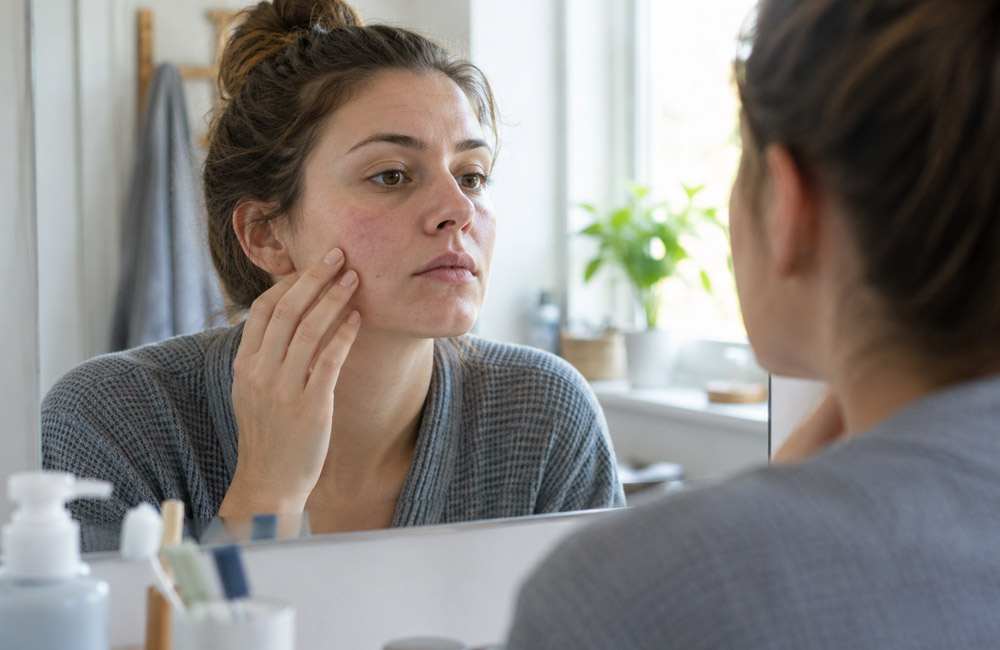
Rosacea primarily affects the face, causing persistent redness, visible blood vessels, and occasionally acne-like bumps.
- The Cause: While the exact origin of rosacea remains a topic of ongoing research, it is closely tied to vascular hyper-reactivity and inflammatory responses. Triggers vary wildly among individuals but frequently include sun exposure, hot drinks, spicy foods, alcohol, temperature extremes, and emotional stress.
5. Contact Dermatitis
Contact dermatitis is an acute condition occurring when the skin reacts after direct contact with a specific substance.
- The Cause: It is divided into two primary types: irritant contact dermatitis (caused by damage to the skin surface from harsh soaps, acids, or solvents) and allergic contact dermatitis (an immune reaction to substances like nickel, latex, fragrances, or poison ivy).
Why Do Skin Conditions Develop?
While symptoms manifest on the surface, skin troubles are rarely skin-deep. Most conditions stem from a complex interaction of internal and external factors:
- Genetics: Hereditary predispositions dictate skin barrier strength, oil production, and immune sensitivity.
- Immune Dysfunction: Autoimmune responses and hyper-reactive immune pathways trigger chronic inflammatory conditions.
- Hormonal Shifts: Fluctuations during puberty, pregnancy, or periods of high stress directly influence sebum production.
- Environmental Factors: Pollution, UV radiation, climate shifts, and topical irritants constantly challenge skin integrity.
When to Seek Professional Support
While mild skin irritations can often be managed with consistent over-the-counter routines and gentle care, persistent, painful, or spreading conditions require professional medical evaluation. Attempting self-diagnosis or over-treating with aggressive products can weaken the skin barrier further, aggravating existing flare-ups.
Working with a qualified practitioner, such as a dermatologist in Murray, can help you pinpoint specific triggers, obtain an accurate diagnosis, and receive a customized treatment plan tailored to your skin’s unique biochemistry. Professional care offers access to prescription-strength topicals, targeted therapies, and expert guidance that restore comfort and balance to your skin.
Final Thoughts
Skin troubles can be frustrating and disruptive, but understanding their underlying mechanisms brings clarity. By recognizing the signals your skin provides, addressing root causes, and consulting medical professionals when needed, you can cultivate healthy, resilient skin for life.