A slow or clogged drain may seem like a simple household problem, but the cause is not always as straightforward as it appears. Many Northern Kentucky homeowners try plungers, drain snakes, or store-bought chemicals before calling a plumber. While those methods may provide temporary relief in some situations, they often fail to remove the full blockage or address the underlying reason the drain keeps clogging.
Professional drain cleaning in Northern Kentucky is generally more effective because plumbers have the equipment, experience, and diagnostic ability to determine what is actually happening inside the plumbing system.
For homeowners dealing with recurring clogs, multiple slow drains, foul odors, or frequent backups, professional service can provide a more complete and longer-lasting solution.
Why DIY Drain Cleaning Often Only Solves Part of the Problem
Most homeowner drain-cleaning methods are designed to clear an opening through a blockage rather than fully clean the inside of the pipe.
For example, a small hand snake may punch through a buildup of grease, soap, hair, or debris. Water may begin flowing again, but much of the material causing the problem can remain attached to the pipe walls.
That remaining buildup can quickly collect more debris, creating another clog.
This is one reason homeowners sometimes find themselves dealing with the same slow sink, shower, or floor drain every few weeks or months.
Professional plumbers take a broader approach. Instead of simply asking, “How do we get the water moving again?” they look at why the drain became restricted in the first place.
Professional Plumbers Have Better Drain Cleaning Equipment
One of the biggest advantages of professional drain cleaning is access to equipment designed for different types of plumbing problems.
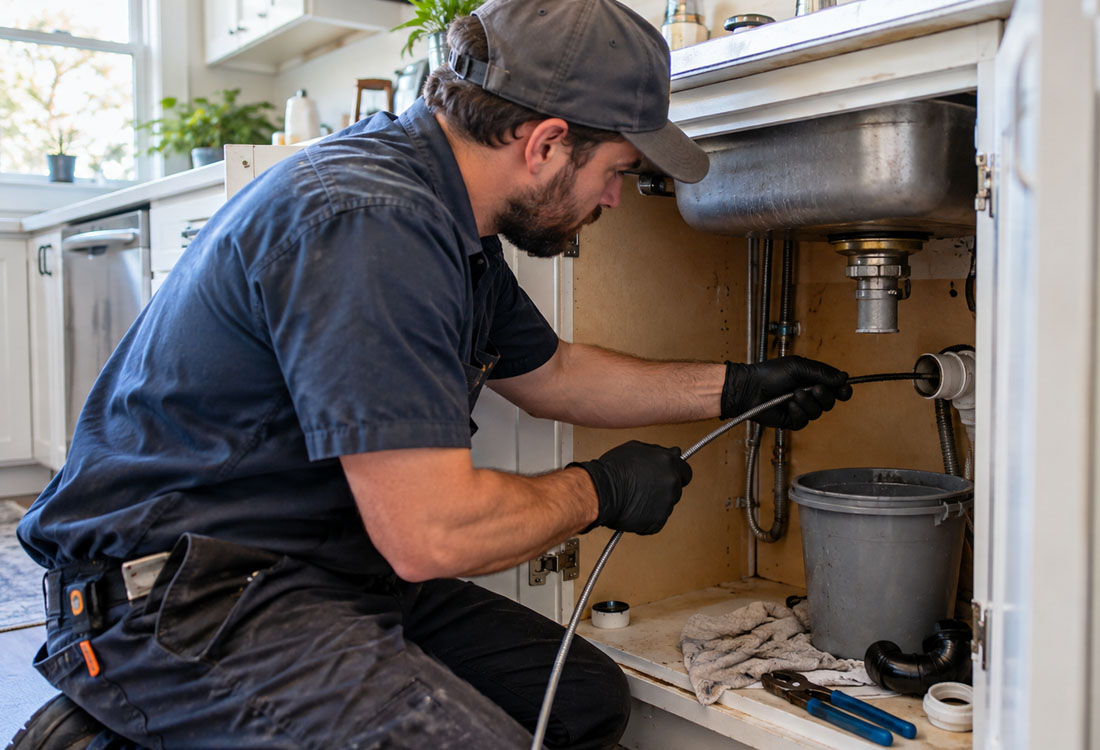
Home improvement stores typically sell small augers and chemical drain cleaners intended for minor household clogs. Professional plumbers have access to equipment capable of working deeper into a drain or sewer system.
Depending on the situation, a plumber may use professional-grade drain machines, specialized cables, inspection equipment, or high-pressure cleaning methods.
The goal is not just to create a small pathway through the clog. It is to remove as much of the obstruction as possible and restore proper flow through the pipe.
This can be especially important in older Northern Kentucky homes, where plumbing systems may have decades of buildup or aging pipe materials that require a more careful approach.
Professionals Can Identify What Is Actually Causing the Clog
Not every clogged drain has the same cause.
Common sources of drainage problems include:
- Hair and soap buildup
- Grease and cooking oils
- Food particles
- Mineral deposits
- Foreign objects
- Tree root intrusion
- Pipe deterioration
- Damaged or shifted sewer lines
- Heavy buildup inside older pipes
A homeowner may assume a drain simply needs to be snaked when the actual problem is farther down the plumbing system.
For example, several slow drains occurring at the same time may indicate a larger sewer line issue rather than individual fixture clogs.
A professional plumber can evaluate the pattern of symptoms and determine whether the problem is isolated to one drain or connected to a larger plumbing issue.
Store-Bought Drain Cleaners Can Create Additional Problems
Chemical drain cleaners are widely available, which makes them an appealing first option for homeowners.
However, they are not appropriate for every situation.
Chemical products may dissolve certain types of organic material, but they often do little against solid objects, heavy grease buildup, damaged pipes, tree roots, or deeper sewer line problems.
Repeated use can also create complications for some plumbing systems.
If the chemical does not clear the clog, it may remain trapped inside the pipe. A plumber may then have to work around standing water containing corrosive chemicals.
Professional drain cleaning avoids relying on chemicals as a universal solution and instead focuses on choosing a method appropriate for the type of blockage and condition of the plumbing system.
Professional Drain Cleaning Can Help Prevent Recurring Clogs
A drain that repeatedly stops flowing usually indicates that the underlying problem has not been fully corrected.
Homeowners sometimes get caught in a cycle:
The drain slows down.
A plunger or chemical cleaner is used.
The drain improves temporarily.
A few weeks later, the problem returns.
When this happens repeatedly, there is usually a reason.
The pipe may still contain buildup, the blockage may be located deeper in the system, or a larger plumbing problem may be developing.
Professional drain cleaning gives homeowners a better opportunity to identify and correct those underlying conditions instead of repeatedly treating the symptoms.
Professionals Can Recognize Signs of Sewer Line Problems
One of the most important reasons to call a plumber is that a clogged drain may actually be a warning sign of a sewer line problem.
Homeowners should pay particular attention when several fixtures begin draining slowly at the same time.
Other warning signs may include:
- Toilets bubbling when another fixture drains
- Water backing up through floor drains
- Sewage odors inside or outside the home
- Recurring drain backups
- Gurgling sounds throughout the plumbing system
- Water appearing in unexpected drains
These symptoms may indicate that wastewater is struggling to move through the home’s main drainage system.
In that situation, cleaning a single sink or shower drain is unlikely to solve the actual problem.
Northern Kentucky Homes Can Present Unique Drainage Challenges
Northern Kentucky has a mix of newer developments and older housing stock. That means plumbing conditions can vary significantly from one property to another.
Older homes may contain aging drain lines that have experienced decades of residue buildup, corrosion, settling, or repairs.
Properties with mature trees may also face the possibility of root intrusion in underground sewer lines.
Seasonal temperature changes can place additional stress on plumbing systems as soil conditions shift and pipes expand or contract.
Because of these variables, professional evaluation is particularly valuable when drainage problems become frequent or begin affecting several parts of the home.
A plumber familiar with homes in the region can consider these local factors when diagnosing the issue.
When Can a Homeowner Handle a Drain Clog?
Not every slow drain requires professional service.
Minor surface-level clogs can sometimes be handled safely with basic maintenance.
For example, a homeowner may be able to remove visible hair from a shower drain or clear a small sink obstruction using a plunger.
However, professional service becomes more appropriate when:
- The clog keeps returning
- Several drains are slow
- A toilet and shower are backing up together
- Water is coming through a floor drain
- Drain odors persist
- Gurgling occurs throughout the house
- A homeowner has already tried basic methods without success
The pattern of the problem is often more important than the severity of one individual clog.
Professional Drain Cleaning Can Protect the Plumbing System
Drain cleaning is not only about convenience.
Proper drainage is an important part of protecting a home’s plumbing infrastructure.
When wastewater cannot move freely, pressure and backups can develop within the system. In severe cases, contaminated water can enter bathrooms, basements, kitchens, or utility areas.
Professional drain cleaning helps restore normal flow while also giving homeowners an opportunity to identify larger issues before they cause more significant problems.
A plumber can also recommend maintenance practices that may help reduce future buildup.
What Homeowners Should Know About Preventing Drain Problems
Good habits can significantly reduce the likelihood of future clogs.
Homeowners should avoid putting grease, cooking oil, coffee grounds, wipes, paper towels, or other inappropriate materials into drains.
Even products labeled “flushable” can sometimes contribute to plumbing blockages.
Hair traps can help protect bathroom drains, while kitchen sinks should be kept as free from grease and food particles as possible.
Regular attention to slow drains is also important. A drain that gradually becomes slower over several months may be giving homeowners an early warning that buildup is developing.
Addressing the issue early is often easier than waiting until the drain becomes completely blocked.
Professional Drain Cleaning Provides a More Complete Solution
DIY drain cleaning can be useful for minor household maintenance, but it has limitations.
When the problem is deeper, recurring, or connected to a larger plumbing issue, professional drain cleaning provides a more comprehensive approach.
Professional plumbers can determine where the blockage is located, identify what may be causing it, select the appropriate cleaning method, and watch for signs of pipe or sewer line problems.
For Northern Kentucky homeowners, that can mean fewer recurring backups, better drainage, and greater confidence that the plumbing system is functioning properly.
Frequently Asked Questions About Drain Cleaning in Northern Kentucky
How do I know when I need professional drain cleaning?
Professional service is recommended when drains repeatedly clog, several fixtures drain slowly at once, sewage odors are present, or basic household methods are no longer working.
Is professional drain cleaning better than using a store-bought drain cleaner?
In many cases, yes. Professional drain cleaning can physically remove blockages and buildup rather than relying on chemicals that may only partially dissolve certain materials.
Why does my drain keep clogging after I snake it?
A small drain snake may create a temporary opening without removing the entire buildup. Remaining material inside the pipe can quickly begin collecting debris again.
Can several slow drains mean I have a sewer line problem?
Yes. When multiple drains become slow or back up at the same time, the problem may be located in the main drainage or sewer line rather than an individual fixture.
Can tree roots cause clogged drains in Northern Kentucky?
Tree roots can enter damaged or aging underground sewer pipes through small cracks or joints. Once inside, they may restrict wastewater flow and contribute to recurring backups.
How can I help prevent clogged drains?
Avoid putting grease, wipes, paper towels, large food particles, and other inappropriate materials down drains. Hair traps and routine plumbing maintenance can also help reduce buildup.
A Better Approach to Recurring Drain Problems
A plunger or small drain snake may be enough for an occasional minor clog, but recurring drainage problems deserve a closer look.
Professional drain cleaning in Northern Kentucky gives homeowners access to better equipment, stronger diagnostic capabilities, and a more complete understanding of the plumbing system.
Instead of repeatedly treating the same clog, a qualified plumber can help determine why the problem keeps happening and recommend a solution designed to restore reliable drainage for the long term.