Summer in Bloomingdale asks a lot of a yard. The days run long, the sun sits high, and the afternoon storms arrive on no fixed schedule, dumping an inch of rain in twenty minutes and then leaving the ground to bake again by evening. Grass that looked thick and even in March can turn patchy by July, and most homeowners notice the change only after the damage has spread.
A healthy lawn in this climate is not the product of one big effort in spring. It comes from a handful of small habits repeated through the hottest stretch of the year, and from catching problems early, while they are still cheap and simple to fix.
When the Yard Stops Cooperating
Most outdoor systems fail quietly. Nothing breaks in a way you can hear, and the first sign is usually cosmetic: a corner of the yard drying out while the rest looks fine, or a soft, soggy strip that never quite dries between storms. Homeowners often blame the grass itself, or the weather, and lose weeks treating the wrong problem.
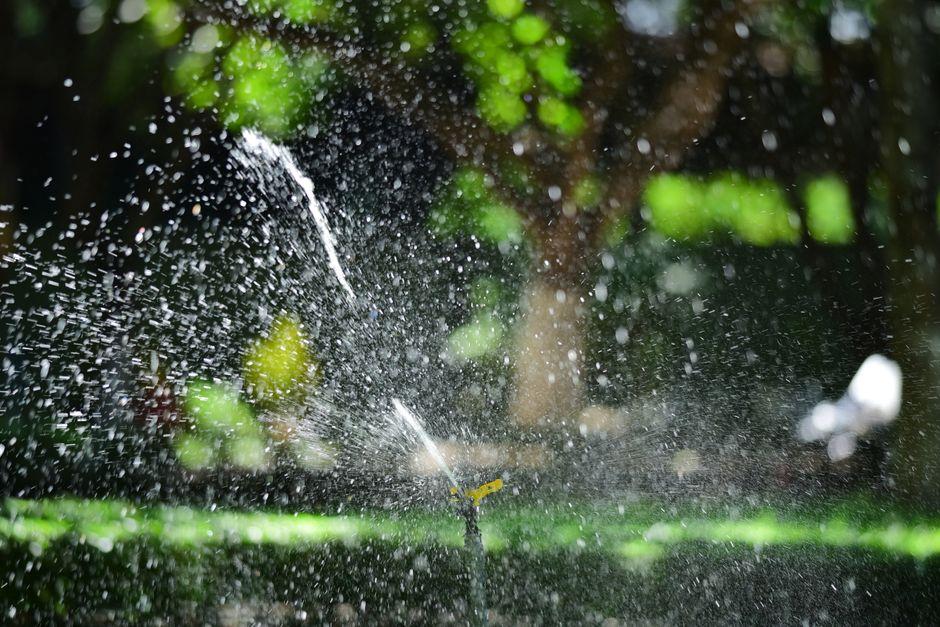
Sprinkler repair covers the ordinary mechanical failures behind those symptoms, things like broken or misaligned heads, clogged nozzles, cracked pipes underground, and timers that have quietly stopped following the schedule they were set to. The best way to handle a problem like this is to get in touch with a company that offers reliable sprinkler repair in Bloomingdale to diagnose the fault and correct it. A good crew arrives fast and tests the whole system rather than patching the one spot you pointed at.
Reading the Grass Before It Gets Worse
Turf gives plenty of warning if you know what to look for. Blades that fold inward along the center, a dull blue-gray cast instead of green, and footprints that stay visible on the lawn long after you have walked across it all point to a yard under stress. Those signs show up days before the browning does, which makes them worth learning.
Walk the property once a week, ideally in the early morning when the light is flat, and color differences are easy to see. Note where the trouble starts and whether it spreads outward or stays put.
Mowing Habits That Protect Roots
Cutting height matters more in summer than at any other point in the year. Longer blades shade the soil beneath them, hold moisture near the root zone, and crowd out weed seedlings before they establish. Most Florida lawns do best when the mower is set toward the higher end of its range, and when no more than a third of the blade is removed in a single pass.
Scalping the yard in one aggressive cut strips away that shade and exposes bare soil to direct sun, which is exactly how thin spots begin. Keep the mower blade sharp as well. A dull blade tears the grass rather than slicing it, and the ragged edge browns within a day and gives disease an easy entry point.
Soil Is the Real Foundation
The sandy soil common across this part of the state drains quickly and holds very little in the way of nutrients. That is why lawns here can look starved even when they are getting attention. Compaction makes it worse. Foot traffic, parked vehicles, and heavy summer rain all press the soil tight, and once it compacts, roots stop moving downward and stay shallow, where they are most vulnerable to heat.
Core aeration once a year opens the ground back up and lets air and nutrients reach the root zone. Topdressing afterward with a thin layer of compost adds the organic matter that sandy ground lacks. Neither job takes long, and both do more for long-term lawn health than another round of fertilizer.
Managing Storm Runoff Around the House
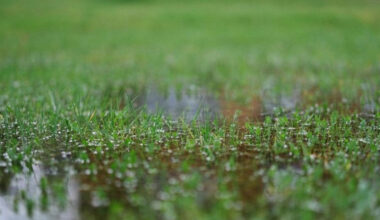
Heavy rain is the other half of the summer equation, and yards rarely handle it well on their own. Water that pools against a foundation, collects in a low corner of the property, or lands on the same square of grass every storm will eventually kill whatever is growing there. Grading is the first thing to check. The ground should fall away from the house on every side, even if the slope is slight, and a low spot that holds water for more than a day after a storm is worth correcting rather than waiting out.
Watch what happens to the turf in those spots as well, since roots sitting in saturated soil suffocate almost as quickly as roots that dry out. Mulch beds are another place runoff causes trouble, because a hard rain will float the mulch out into the lawn and leave the bed bare.
Insects and Disease in the Warm Months
Chinch bugs are the usual culprit behind sudden summer damage in Florida lawns, and they favor the sunniest, driest sections of the yard. Their damage looks like drought damage, which is why so many people misdiagnose it. Part the grass at the edge of an affected patch and look for movement at the soil line.
Fungal disease is the other common offender, showing up as circular patches or as spotted, discolored blades, and it thrives when the lawn stays wet overnight. Keeping the grass dry through the evening hours goes a long way toward preventing it.
Small Routines That Add Up
None of this requires an overhaul. Clear the debris out of the yard after storms so nothing smothers the turf underneath. Rotate your mowing pattern so the wheels do not compact the same lines week after week. Trim back low branches that keep sections of the lawn in permanent shade, since thin, leggy grass under a tree canopy never fills in on its own. Keep an eye on the boundary between the lawn and the beds, where weeds tend to establish first. Check the yard after every significant storm rather than waiting for a monthly walkthrough.
A lawn in this climate is not fragile, but it is unforgiving of neglect during the months when it is working hardest. The homeowners who end up with thick, even grass in October are generally not the ones who did the most work. They are the ones who noticed the small problems in June and dealt with them before the heat turned a minor issue into a season of repair.