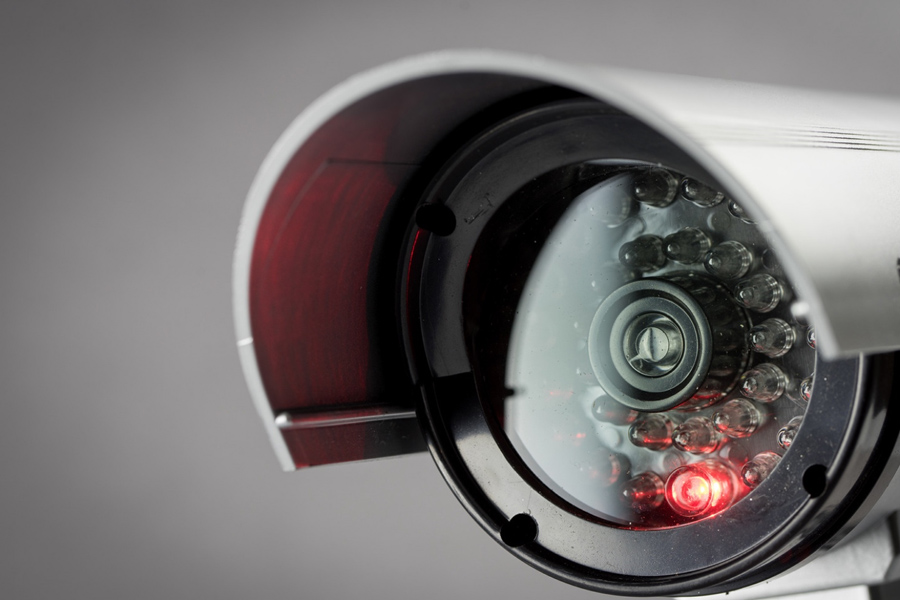
The Rise of Cameras From Luxury to Everyday Essential
Security cameras were once reserved for banks, casinos, and buildings with rotating doors and suits chatting into earpieces. Now they’re everywhere. They perch over store counters, wink from porches, watch warehouses, and monitor office hallways electronically after everyone leaves.
Not by chance, this shift occurred. Property owners now view risk differently. Locks matter. Gates matter. A good alarm is still useful. The tools alone cannot provide what cameras do. Not just access is blocked. They observe. That simple difference has changed home and business security.
A camera system provides weird comfort. Today, it’s like having a vigilant neighbor who never sleeps, blinks, or gets distracted by cookies and tea. Correct placement provides awareness, accountability, and a perception that the property is not simple to target.
Why Visible Surveillance Changes Human Behaviour
People behave differently when they know they can be seen. That applies to intruders, careless visitors, opportunistic thieves, and even the occasional employee who suddenly remembers proper procedure the moment a lens comes into view.
Before anything awful happens, monitoring is powerful. A visible camera often communicates without speaking. It states the property is monitored, records are preserved, and dumb actions may be costly, point out Aramis Realty experts. A lot of crooks want convenience. They seek dark places, weaknesses, and easy wins. A well-positioned camera may make a property seem difficult.
This effect matters because prevention is cheaper than cleanup. Replacing stolen tools, repairing smashed windows, dealing with insurance paperwork, and explaining the chaos to everyone involved is nobody’s idea of a cheerful Tuesday. Cameras help reduce the chances of getting to that stage at all.
Recording Incidents Changes the Story Afterwards
When a problem does happen, memory becomes unreliable at impressive speed. People forget details. Timelines blur. Confidence rises while accuracy falls. Everyone remembers the event, but not always the same event.
Footage clears up that uncertainty. It can reveal delivery times, who accessed restricted areas, accidental or purposeful damage, and what transpired minutes before an event. This greatly impacts conflicts, investigations, and internal evaluations.
For corporations, that means fewer guesswork arguments. Homeowners may need to identify vandals, validate suspicious behavior, or figure out why the side gate opens at unusual times. It can also reveal hidden trends for managers. A reoccurring problem may stop seeming random if the tape shows the same access point, timing, or behavior every week.
Remote Access Turned Security Into a Daily Habit
The camera is not the major difference in current camera systems. You can examine footage from practically anyplace. An airport passenger, grocery customer, or vacationer can surreptitiously verify if the delivery driver left the package as ordered.
This convenience has made security far more active. Instead of only reviewing footage after something goes wrong, owners now interact with their systems regularly. They check alerts, review motion events, and glance at live feeds in the same casual way they check the weather or unread messages.
That habit alters property relationships. A multi-site business owner may monitor opening times, merchandise, and outside entrances remotely. A homeowner can ensure that youngsters returned safely, that the driveway is clear, or that the neighbor’s cat was trespassing again.
Good Placement Matters More Than Fancy Marketing
A camera in the wrong place is a very expensive way to film a wall. This is why placement matters so much. The best system in the world will struggle if it points at irrelevant space while the real action happens just outside the frame.
Understanding movement is key to coverage. People enter where? Where do they leave? Values are stored where? Which regions are dim? Which ways would someone naturally use to escape attention? Answers shape the system more than flashy packaging.
Access points, loading spaces, garages, driveways, back access points, storage rooms, and payment zones are generally prioritized. Height matters. High cameras may overlook face details. A low one may be tampered with. Lighting matters. Weatherproofing important. Angles matter. Making a camera functional rather than ornamental is an art.
Storage and Image Quality Are a Balancing Act
Crystal quality video is appealing until people realize how much storage it requires. Image quality increases file size, which requires more preparation. A property owner must decide how long to keep footage, how often to capture, and whether to store locally, remotely, or both.
More than a technical footnote. It impacts daily system usability. If footage fades rapidly, crucial evidence may be lost before anybody notices. Blurred video may record an incident without usable information. Security may not always prevail over a suspicious potato-shaped figure.
Clearness and retention are balanced in a good setup. It records what important in detail and keeps them accessible for a reasonable time. Motion-based recording, smart alarms, and selective retention can improve system efficiency without overwhelming the owner with empty footage.
Privacy and Responsibility Come With the Territory
Owning a camera system is not just about switching it on and feeling like the commander of a tiny surveillance empire. There are responsibilities attached. Cameras collect information, and that information has to be handled carefully.
When documenting worker, customer, visitor, and public spaces, this is crucial. People must recognize that surveillance occurs and that film should be stored securely and retrieved when necessary. A poorly managed system may cause legal and ethical issues quicker than a bakery raccoon.
Responsible use also builds trust. When surveillance is clearly explained and sensibly managed, it feels like a protective measure rather than a creepy hobby. The goal is safety, not turning every hallway into the setting of a low budget spy film.
Cameras Work Best as Part of a Team
Adding security measures to a video system boosts its effectiveness. Consider it part of a realistic cast rather than a solo hero. Alarms blare. Access is restricted. Light eliminates hiding locations. Sensors detect movement. Cameras offer eyes and proof.
Layers form when these elements combine. If one measure fails or is circumvented, another remains. Detecting motion starts recording. Access systems record who entered and when. Exterior lighting may decrease shadows and increase image quality when it matters. This creates a property secured by cooperation, not devices.
This layered approach is especially useful for larger premises, mixed use buildings, and sites with valuable equipment. It also makes life easier for anyone responding to an incident because each system adds context to the others.
Modern Surveillance Is Becoming Smarter
Camera technology has advanced beyond passive recording. Many systems now separate important from irrelevant times. Smarter technologies can recognize individuals, cars, and strange movement patterns instead than recording endless film of rain, tree branches, and moths doing nighttime aerobatics.
This kind of intelligence saves time. It makes reviewing footage less painful and helps users respond faster. For commercial settings, it can also provide operational insights. Footfall patterns, delivery timings, customer flow, and access bottlenecks can all become clearer through video data.
That means surveillance is no longer only about catching wrongdoing. It can also improve efficiency, reveal weak spots in daily routines, and support better decision making. A camera may begin as a security investment and end up becoming a management tool as well.
Why Professional Installation Often Pays Off
DIY kits might be appealing. Easy, cheap, and the excitement of being your own security technician for a weekend. Sometimes they work well. They can cause crooked camera angles, uneven coverage, unclear settings, and a strong online troubleshooting forum association.
Professional installation frequently avoids these issues. A qualified installation can evaluate the location, select equipment, place cameras for maximum benefit, and ensure system reliability. They also assist with network setup, recording, maintenance, and practical compliance.
That expertise matters because security equipment is only valuable when it performs well in real conditions. Rain, darkness, glare, distance, and awkward layouts all affect results. A properly designed system is far more likely to deliver footage that is actually helpful when it counts.
FAQ
Are security cameras only useful after a crime happens?
No. One of their biggest advantages is deterrence. Visible cameras often make a property less attractive to anyone looking for an easy target, which means they can help prevent incidents before they begin.
Can a small home benefit from a camera system?
Yes. A modest property can benefit just as much as a large one, especially around entry points, driveways, garages, and side access routes. Good coverage matters more than the size of the building.
Is higher resolution always the best option?
Not automatically. Sharper footage is useful, but it also requires more storage and bandwidth. The best option is a balance between clear images, sensible retention time, and reliable performance.
Do cameras replace alarms and locks?
No. They work best alongside them. Locks delay access, alarms draw attention, and cameras record what happens. Together they create a much stronger overall setup.
Is remote viewing actually practical?
Yes. For many owners, it is one of the most valuable features. Being able to check live or recorded footage from a phone or tablet makes monitoring far easier and faster in everyday life.
Should installation be left to professionals?
In many cases, yes. Professional installation improves placement, reliability, and overall performance. It also reduces the risk of ending up with blind spots, poor image quality, or a system that looks impressive but misses the important bits.