When Cool Comfort Turns Into a Small Disaster
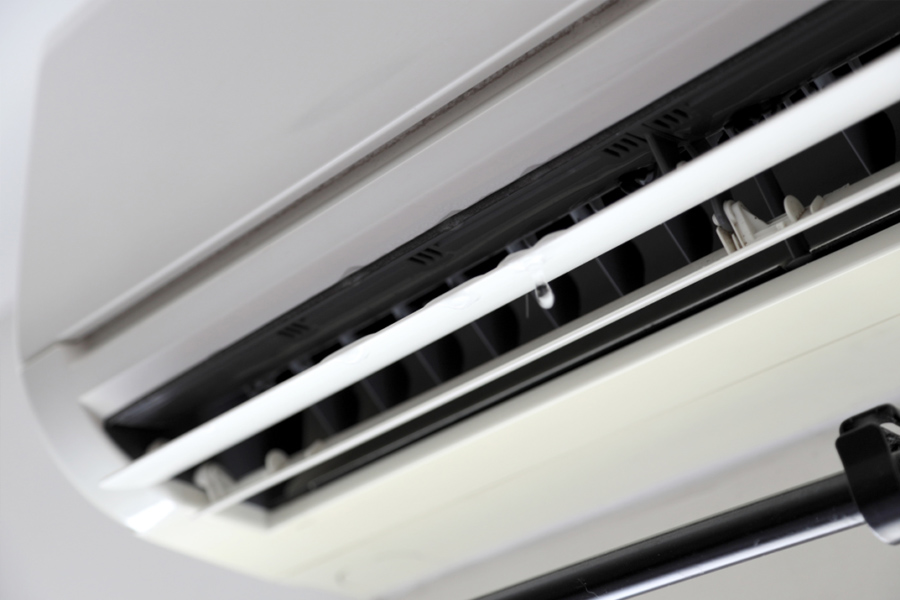
You turn on the air conditioner for relaxation, tranquility, and that beautiful moment when summer stops hanging on your chest like a grouchy cat. You see a drip. And another. Soon, a weird puddle covers the floor like your AC tried indoor gardening.
A leaky air conditioner starts with a small indication and rapidly takes over your weekend. It may discolor walls, distort wood, permit mold to grow, and make your home smell like a wet cellar wearing cheap perfume, point out 1907 Property Management professionals. The hardest aspect is that leaks frequently appear innocuous. A little water looks harmless. Definitely not innocent.
One basic truth explains air conditioner leaks. Your AC does not just cool air. Also eliminates dampness. Moisture must drain, usually through a mechanism. When that process is stopped, the water acts like a kid with finger paint instead of a courteous visitor.
How an Air Conditioner Creates Water in the First Place
A lot of people are genuinely offended when they learn their air conditioner makes water on purpose. It feels like betrayal. But this is completely normal.
Warm indoor air condenses into water droplets on the chilly evaporator coil. Like a cool drink sweating on a hot day, but buried in a machine and more expensive to replace. Water drips into a drain pan, travels via a condensate drain line, and leaves the system.
That is the neat and tidy version. The version your air conditioner prefers when life is going well.
When something blocks the line, freezes the coil, cracks the pan, or throws the system off balance, the water no longer leaves on schedule. It lingers. It pools. It escapes. That is when you start finding damp patches in places where there should only be dry socks and peace of mind.
Dirty Filters Can Turn the Whole System Moody
Air filters have one job and they perform it quietly, which is why they rarely get thanked. They trap dust, dirt, pet hair, and all the tiny floating nonsense that would otherwise clog up the system. But when filters become packed with debris, airflow gets restricted.
Poor airflow causes the evaporator coil to get too cold. Once that happens, the coil can freeze over. Yes, freeze. In the middle of summer. Your air conditioner, while fighting heat, can become an accidental ice sculpture.
Later, when the system cycles off or the temperature changes, that ice melts. Suddenly you have more water than the drain pan was expecting. Overflow follows. Then the floor gets involved.
This is one of the most common causes of leaks because filter neglect is incredibly easy. Life gets busy. Nobody wakes up excited to inspect a filter. Still, that simple task can be the difference between a functioning AC and a soggy patch of carpet that squishes when stepped on.
The Drain Line Loves to Clog at the Worst Time
If the condensate drain line had a personality, it would be dramatic. It waits until the hottest week of the year, then clogs itself with algae, sludge, dust, or mould just to make a point.
The drain line is supposed to channel condensation safely away from the indoor unit. When it becomes blocked, the water backs up instead. Since it cannot vanish into another dimension, it spills into the unit or out onto nearby surfaces.
This kind of leak can seem random to homeowners. One day everything is fine. The next day the ceiling is developing a suspicious stain that looks like modern art. In reality, the blockage has often been building for a long time.
When subtle symptoms like pooled water or unusual noises indicate a problem with system drainage, professional support can restore performance before severe water damage spreads through the home. Homeowners seeking guidance on resolving recurring cooling issues or scheduling a technician can review options for https://qcshvac.com/residential-hvac/air-conditioning/repair to ensure internal components remain clean, functional, and properly aligned.
Because the line is narrow and constantly exposed to moisture, it is the perfect place for gunk to gather. Once the flow slows enough, the system starts losing the battle. Water always wins eventually.
Regular checks on cooling components can help prevent unexpected water buildup before it damages surrounding walls or flooring. Homeowners looking to maintain optimal system performance can view it now to see how professional maintenance supports indoor comfort and keeps system drainage clear throughout the warm season.
A Damaged Drain Pan Can Cause Sneaky Leaks
Older systems often have another problem lurking beneath the surface. The drain pan that collects condensation may become rusted, corroded, or cracked over time. When that happens, it cannot hold water properly.
This kind of issue is especially sneaky because the rest of the air conditioner may still appear to be working. The unit cools the room. The fan runs. The thermostat behaves. Meanwhile, the pan is quietly letting water slip through a crack like a bucket with a grudge.
In some cases, the damage is minor but enough to create chronic dampness.
Understanding the company background and values behind a cooling service team can reassure property owners dealing with persistent humidity or drainage issues. Readers who want to review regional history and background details can learn this here now to see how dedicated specialists approach routine system care, helping to maintain indoor comfort and prevent unexpected water damage.
In others, the pan has deteriorated so much that every cooling cycle adds to the mess. Either way, it is a mechanical problem that does not improve by being ignored.
Low Refrigerant Can Set Off a Chain Reaction
When people hear the word refrigerant, they tend to imagine something highly technical, slightly magical, and best left to professionals wearing gloves and serious expressions. That instinct is correct.
Low refrigerant can cause water to leak, but it rarely does. When refrigerant levels drop, system pressure changes. That can make the evaporator coil overly cold, which leads to freezing. Once the ice melts, the additional water might overwhelm the typical drainage mechanism.
This issue often arrives with other warning signs. The cooling becomes weaker. The system runs longer than usual. Energy bills begin doing bold and unnecessary things. You might even hear hissing, which is never the soundtrack of a healthy appliance.
Because refrigerant problems require specialized handling, this is not a do it yourself situation. This is a call someone before your AC turns into a part time waterfall situation. AC repair in Rome GA can provide the professional help needed to diagnose the problem properly and safely. When unexpected moisture issues or cooling struggles point toward underlying mechanical trouble, having local professionals inspect the unit can prevent further home damage. Homeowners needing help with lingering system issues can visit our Franklin location to speak with technicians who can evaluate cooling components, restore proper drainage, and support long-term equipment efficiency.
Bad Installation Can Haunt a System From Day One
Not every leaky air conditioner is old, tired, or neglected. Some are simply victims of poor installation. That is what makes the problem especially frustrating. A brand new system can start acting up if it was not installed correctly in the first place.
If the interior unit isn’t level, water may not drain properly. It may sit in the pan, spill, or accumulate in the incorrect place. Poor pipe installation can cause moisture to back up or escape. If the unit is too big or little, it may cycle poorly, causing condensation.
Installation mistakes are like bad haircuts. You notice the consequences long after the moment has passed, and fixing them can take more time than anyone wants to admit.
Warning Signs That a Leak Is Brewing
A full puddle is not the only signal that something is wrong. Air conditioners often drop hints before the real mess begins.
You may notice a musty smell near the unit. You may hear unusual dripping sounds inside the wall or ceiling. Cooling may become uneven, or the room might feel strangely humid even while the system is running. Water stains can appear around the unit, and paint may start bubbling or peeling nearby.
Sometimes the warning sign is simply that the unit seems to be working harder than usual. It runs longer, cools less, and sounds vaguely irritated. Appliances cannot sigh dramatically, but if they could, this is when they would.
What Happens If You Ignore It
Ignoring an AC leak is a bit like ignoring a raccoon in the attic. You can pretend everything is fine for a while, but the situation is definitely developing its own agenda.
Moisture can soak into plaster, insulation, wood, and flooring. That invites mould growth, which spreads quickly and smells terrible. Structural materials may weaken. Paint blisters. Ceilings stain. In severe cases, sections of drywall can sag and fail.
There is also the issue of efficiency. A leaking system is often a struggling system. It uses more electricity while delivering less comfort, which is an impressively rude combination. So now you have water damage and higher bills, all courtesy of one machine that was supposed to make life easier.
Smart Habits That Help Prevent Leaks
While some issues require professional repair, a few simple habits go a long way toward keeping leaks at bay.
Check and clean filters often. Keep vents clear for airflow. Note odd scents, limited airflow, or cooling performance changes. Check the inside unit for humidity or discoloration occasionally. If your system has a visible drain outlet, check if water drains normally during high use.
Routine maintenance matters because small problems rarely stay small inside an air conditioning system. Dust builds. Moisture collects. Components wear down. Left alone, tiny issues become expensive personalities.
Maintaining year-round household performance often means looking at heating hardware alongside cooling systems, especially before seasonal changes put heavy demands on equipment. When winter arrives, scheduling timely furnace repair in Mt. Crawford helps preserve stable heating efficiency and overall indoor comfort while ensuring small mechanical issues are addressed before they disrupt daily routines.
FAQ
Why is my air conditioner leaking only when it runs for a long time?
Longer run times create more condensation, so any weakness in drainage becomes more obvious. A partially blocked drain line, a dirty filter, or a freezing coil may only cause visible leaking after the system has been operating for hours.
Is water leaking from an air conditioner always dangerous?
Not always, but it should never be ignored. The leak itself may begin as a minor drainage issue, yet the moisture can damage building materials, encourage mould growth, and signal a larger mechanical problem inside the unit.
Can a clean air filter really make that much difference?
Yes. A clogged filter restricts airflow, which can cause the evaporator coil to freeze. When the ice melts, the extra water may overflow the drain pan or flood the drainage system. A clean filter helps the unit breathe like a civilized machine.
Why does my AC leak more on very humid days?
Humid air contains more moisture, so the system pulls more water from the air while cooling. If the drain system is already slow or compromised, that extra condensation can push it over the edge and create visible leaking.
Should I turn the system off if I see water leaking?
If the leak is active or worsening, switching the unit off is usually wise until the cause is checked. Continuing to run it can increase water damage and may worsen issues such as coil freezing or drainage overflow.
Can a new air conditioner leak too?
Absolutely. A new unit can leak if it was installed incorrectly, if the drain line is poorly connected, or if the system is not level. New does not always mean flawless. Sometimes it just means the problem has not had time to become dramatic yet.