The Small Leak That Turns a Calm Drive Into a Circus
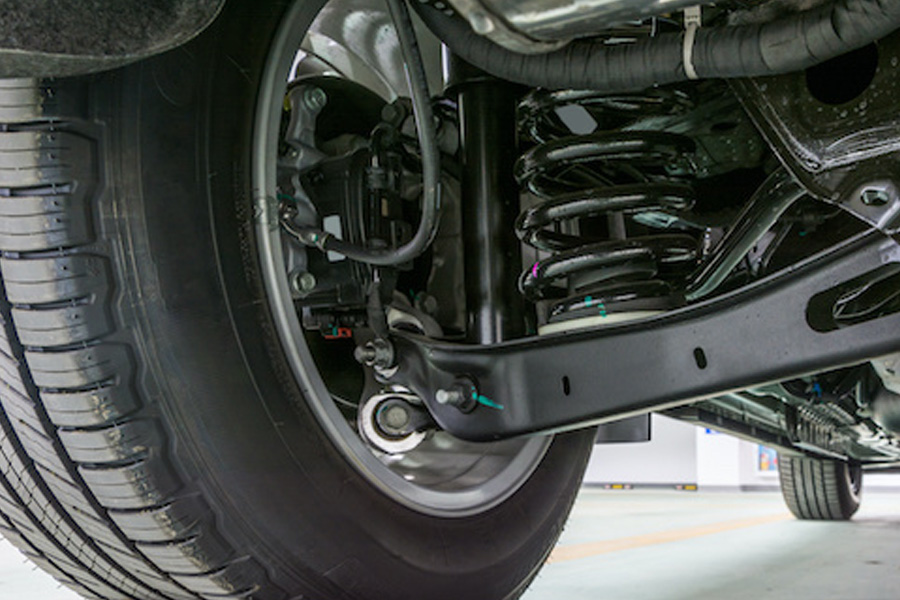
Shock absorber leaks are cunning. It doesn’t necessarily include pyrotechnics, smoke, or dashboard drama. It sometimes starts as a light greasy smear on the suspension, which most people only discover during a weekend driveway check. It appears innocuous. Not harmless.
Shock absorbers mature your suspension. Springs are vivacious. They want to jump and act like they’ve had too much coffee. Shock absorbers remain cool and handle all that movement. When one leaks, control slips. Your car still drives, but it lacks discipline, grip, and dignity.
Comfort is not the only risk. A leaky shock absorber affects how your tires touch the road, how the car shifts when braking, and how stable everything seems on bumpy roads. That oily leak indicates that a crucial handling component is steadily failing without warning.
General vehicle upkeep often goes hand in hand with monitoring core mechanical systems. Staying on top of routine fluid checks and standard maintenance schedules helps ensure minor wear is caught before it affects handling. Drivers who want to review simple maintenance checklists can visit this page to learn more about keeping essential automotive systems running smoothly over time.
What Shock Absorbers Actually Do All Day
Most drivers know shock absorbers are important, but many could not explain what they really do if trapped at a barbecue with an overly confident car enthusiast. Their job is to control the movement of the suspension after the springs react to bumps, dips, potholes, and road ripples.
Your automobile wouldn’t cushion bumps without shocks. It bounced along the road like a trampoline-jumping kangaroo. Every pavement elevation would cause a chain reaction of bouncing, making steering and braking uncertain. Shock absorbers slow and settle the automobile rapidly with fluid and pressure.
This matters because tyres need steady contact with the road. If a wheel is hopping, skipping, or briefly losing grip, your ability to steer, stop, and corner drops sharply. The whole purpose of the suspension is to keep the car composed while the road tries its best to ruin everyone’s afternoon.
Why Leaks Are More Serious Than They Look
Shock absorbers are sealed. The seal is there for a reason. When fluid escapes, performance declines. Fluid-dependent components never leak harmlessly. A slight leakage can become a significant failure if the car is driven over bumpy roads, speed humps, patched asphalt, or crater-like potholes that local council has designated as natural monuments.
As the fluid level falls, the shock absorber loses its ability to resist movement. That means the spring starts doing more of the work alone, and springs are not known for their restraint. The result is extra bounce, slower recovery after bumps, and more body movement in corners.
Drivers often adjust to this change without realizing it. Humans are excellent at adapting. Give us a car with gradually worsening suspension and we will simply start describing it as having personality. What is really happening is that the car is becoming less precise and less safe.
The Strange Clues Your Car Gives You
A leaking shock absorber rarely keeps quiet forever. It leaves clues, and some of them are surprisingly theatrical.
Braking may cause the car’s front to bend deeply to the traffic lights. The car may swing more in bends or take longer to settle after a jolt. On rough roads, the steering might seem imprecise, requiring little tweaks to keep the vehicle straight.
The performance might include noises. As the suspension suffers, it may make clunking, knocking, and dull thuds on hard surfaces. A firm ride might become shaky or loose. If your automobile feels like a sofa on roller skates, check the suspension.
Tyres can provide clues too. Uneven wear, especially a scalloped or cupped pattern, often points to poor damping. That means the wheel is no longer staying planted properly and is instead bouncing along the road surface in a way that grinds away tread in patches.
How a Bad Shock Absorber Affects Braking
Brakes are frequently considered a distinct system, yet suspension control greatly affects braking performance. During forceful braking, weight moves forward. Healthy front shock absorbers control that transition and keep the tires running. Worn or leaky ones cause the nose to drop, unbalancing the car.
That extreme dip might impair rear grip and unsettle the car when you need stability. Bumpy roads make the situation worse since the tires may not stay squeezed in. Less touch, less grip. Traction loss increases stopping distances.
In an emergency stop, a few extra metres can be the difference between a close call and a very expensive conversation with your insurer. A leaking shock absorber may not seem directly connected to stopping power, but on the road everything is connected. Cars are dramatic that way.
Cornering With Weak Suspension Feels Wrong for a Reason
Good handling is not about turning your daily commute into a race circuit. It is about predictability. When you steer into a bend, you want the car to respond cleanly, hold its line, and stay composed. A leaking shock absorber interferes with all of that.
Weight moves less smoothly over the chassis if the body rolls too much. One side of the automobile may be sluggish while the other battles to stay put. On difficult corners or mid-turn bumps, instability is more apparent. The car may slide wider or feel unsteady mid-turn.
This is where many drivers first sense that something is off, even if they cannot name it. The car no longer feels tied down. It feels busy. Restless. Like it has suddenly developed opinions about every crack in the road.
The Damage Does Not Stop at the Shock Absorber
Ignoring a leaking shock absorber can trigger a chain reaction of wear. When damping is lost, impacts travel more harshly through surrounding components. Bushings, mounts, joints, and other suspension parts are forced to handle stresses they were not meant to absorb alone.
Tyres suffer especially badly. Repeated bouncing can create irregular tread wear that not only shortens tyre life but also makes the car noisier. That humming or droning sound at speed may not be road noise at all. It may be your tyres filing a formal complaint.
Other car parts might feel the pressure. Uncontrolled vibration and movement can impact alignment, ride quality, and front or rear suspension component wear. A single leaky part might quickly balloon into a large repair price.
Why Replacing Shocks in Pairs Usually Makes Sense
Shock absorbers wear over time, even when only one is visibly leaking. That is why replacement is often done in pairs on the same axle. If one side is fresh and firm while the other side is tired and half retired, the vehicle can feel uneven in its responses.
Balanced suspension matters. The automobile should respond consistently during braking, turning, and hard road impacts if both sides have equal control. Replacing one may be cheaper, but it may cause mismatched handling and an early workshop visit.
This is also a good time to inspect related parts such as mounts, bump stops, and alignment settings. Suspension components work as a team. If one member has been struggling for a while, the others may not be feeling especially cheerful either.
Driving Habits That Make Suspension Problems Worse
Not every shock absorber leak is caused by abuse, but certain habits certainly do not help. Repeatedly hitting potholes at speed, climbing kerbs, overloading the vehicle, and charging over speed humps like you are late for a moon landing all increase stress on the suspension.
Road conditions matter too. Rough rural roads, broken city streets, and areas with endless patch repairs can shorten suspension life. Climate also plays a role. Heat, grime, moisture, and age slowly degrade seals and materials, making leaks more likely as the vehicle gets older.
That does not mean you need to drive around like you are transporting a bowl of soup on the dashboard. It simply means suspension wear is normal, and paying attention to early symptoms saves money and preserves safety.
FAQ
Can I still drive with a leaking shock absorber?
You can, but that does not make it wise. The vehicle may still seem usable, yet its handling, braking stability, and tyre control are already compromised. The longer it is ignored, the greater the safety risk and the more likely additional parts will wear out.
How can I tell if the leak is serious?
Inspection is needed if shock body fluid is apparent. A light coating, streaks, new dampness, unusual bouncing, nose diving under brakes, or uneven tire wear indicate performance loss. As shock absorbers are sealed, visual leakage should not be ignored.
Will a leaking shock absorber fail suddenly?
Performance might diminish gradually, making the issue easy to overlook. Sometimes a broken or worn unit deteriorates fast following a harsh incident or long driving on terrible roads. Even progressive failure might cause considerable handling degradation before the driver knows.
Do bad shocks make tyres wear faster?
Yes. When the wheel bounces instead of staying firmly planted, the tyre can wear in uneven patches. This pattern is often called cupping or scalloping, and it can create road noise along with a shorter tyre lifespan.
Is it expensive to fix?
The cost varies by vehicle and by how long the issue has been ignored. Replacing a leaking shock absorber is usually far cheaper than replacing shocks, tyres, damaged mounts, and other worn suspension parts all at once. Early repair is almost always the better bargain.
Should both sides be replaced together?
In many cases, yes. Replacing shocks in pairs on the same axle helps maintain balanced handling and predictable suspension response. One new unit and one worn unit can leave the car feeling uneven, especially during braking and cornering.