A lap around the block tells you very little about how a vehicle will live with you day after day. A purposeful plan, on the other hand, can reveal how a Chevrolet fits your routine, your passengers, and your cargo before you sign anything. This guide walks you through a structured approach to a dealership visit, from defining your use case to running a meaningful test route and double-checking capability claims. It includes concrete checks such as reading the payload sticker on the door jamb, inspecting tire wear patterns, pairing your phone to the infotainment system, and verifying towing hardware. Use it to separate first-impression shine from the details that actually matter in long-term ownership.
Define your daily use before you set foot on the lot
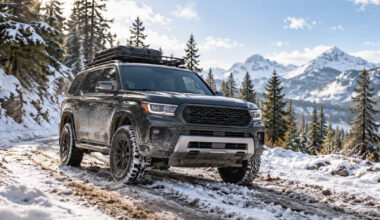
Write down non-negotiables: the number of seats you need most days, whether a rear-facing car seat must fit behind a tall driver, the length of a ladder or stroller you regularly carry, and if you plan to tow a trailer. For towing, note the trailer’s gross weight and tongue weight, not just a ballpark guess, and whether it uses a 4-pin or 7-pin connector. Include constraints such as garage door height for an SUV with roof rails, a city parking garage with a low ceiling, or a driveway that ices over where all-wheel drive or 4WD might be more than a nice-to-have.
With that list, review the inventory pages and specification sheets to arrive at realistic candidates. Model pages on sites like https://www.fertittachevrolet.com/ can help you compare body styles, wheelbase lengths, and drivetrain choices, and identify which trim levels commonly package features such as heated seats, a locking rear differential, or blind-spot monitoring. Bring a tape measure, a small notepad, and any bulky items you need to test, such as a cooler, a golf bag, or a pair of child seats with their LATCH connectors.
Do a slow walkaround: tires, panels, bed, and cargo areas
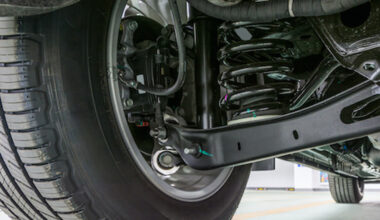
Start at the tires. Look for even tread across the width, check the wear bars, and scan sidewalls for bubbles or cracking. Uneven wear may hint at alignment issues or worn suspension components. Note the tire size; larger wheels can look sharp but often ride more firmly and cost more to replace. Move to the body: consistent panel gaps, matching paint across panels, and straight reflections suggest a well-assembled example, while overspray around the trim can indicate prior paintwork on a used unit. Open and close every door, including the liftgate and tailgate, and listen for creaks.
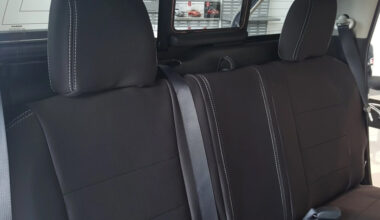
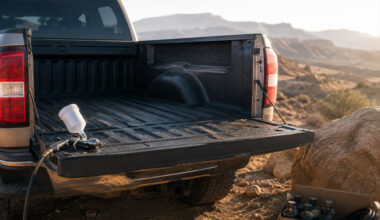
For trucks, inspect the bed floor and wheel wells for dents or corrosion, and check whether a spray-in liner, bed mat, or tonneau cover is installed. Verify the hitch receiver rating stamped on the metal, and look for a factory 7-pin or 4-pin trailer harness near the bumper. On SUVs, fold the second and third rows to confirm they lie flat and that the cargo floor height will accommodate items you carry often. Pop the hood: while you will not diagnose engine internals, you can spot obvious fluid leaks, cracked hoses, or an empty coolant reservoir before you fall in love on the road.
Run a purposeful test drive: city, highway, and a rougher patch
Ask for a cold start if possible. Listen for ticking on startup, belt squeal, or an exhaust leak, and watch for a stable idle once the fast-idle phase ends. Adjust the seat, steering wheel reach and rake, and mirrors until your posture feels natural. Pair your phone to the infotainment system, try Apple CarPlay or Android Auto, and make a quick hands-free call to check microphone clarity. On the street, assess low-speed throttle response, brake pedal feel, and transmission shifting at light throttle. Roll over a speed bump to gauge body control and cabin rattles.
On the highway, merge briskly to test midrange power, then settle at cruising speed to evaluate wind and tire noise around the mirrors and pillars. Try adaptive cruise control and lane-keeping assist if equipped, and adjust sensitivity settings to see if alerts feel supportive or intrusive. If 4WD is available, verify the selector engages smoothly, but avoid using part-time 4WD on dry pavement to prevent drivetrain binding; a gravel lot is better for a brief check. Two quick scenarios to test: a family installs two car seats and confirms the third-row buckles remain reachable, and a contractor backs into a tight spot to confirm camera clarity and mirror coverage with tow mirrors.
Verify capability claims: towing setup, payload labels, and roof rails
Towing and hauling capacities are not single numbers pulled from a brochure; they depend on the exact configuration. Open the driver’s door and read the payload sticker on the jamb for that specific VIN. Compare it with the hitch receiver class and the presence of a 7-pin connector and an integrated trailer brake controller. If a tow/haul mode button appears on the shifter or dashboard, confirm it functions. Remember the relationship between axle ratio, cooling packages, and rated tow capacity, and that heavy options such as a panoramic roof or large wheels can reduce payload.
For SUVs with roof rails, check the dynamic load rating and determine whether crossbars are included or need to be added. This is where trade-offs surface: short-bed pickups are easier to park but limit ATV or lumber length without a bed extender; taller off-road suspensions increase ground clearance but raise step-in height for kids; and big-diameter wheels sharpen steering at the cost of ride comfort on broken pavement. Do not skip these checks because a spec sheet looks generous; verify the hardware and labels match the tasks you plan to do.
After the drive: notes, trade-offs, and next-day checks
Back in the lot, write immediate impressions while they are fresh: seat pressure points after 30 minutes, rear visibility with headrests up, and whether the cabin controls are intuitive or distracting. Compare trims in concrete terms, not just names like LS, LT, RS, Z71, or Premier; note which ones add features you actually used on the drive, such as a heated steering wheel, a limited-slip or locking rear differential, or a surround-view camera. For used vehicles, request a vehicle history report and confirm that the VIN on the windshield matches the VIN on the stickers and documents. If you are serious, schedule a follow-up drive at night and on a different route that includes uneven pavement.
Resist the common mistake of rushing to sign the same day just because the test route felt fine. Sleep on it, check your garage clearance with roof rails or an antenna mast in mind, and price out replacement tires in the exact size you inspected. If you plan to tow, match your trailer’s required connector and brake setup to the truck’s actual equipment, and consider a brief second visit with the cargo or family members that will ride along most often. A methodical dealership visit takes a little extra time, but it replaces guesswork with real-world checks that make it much easier to recognize the right Chevrolet.