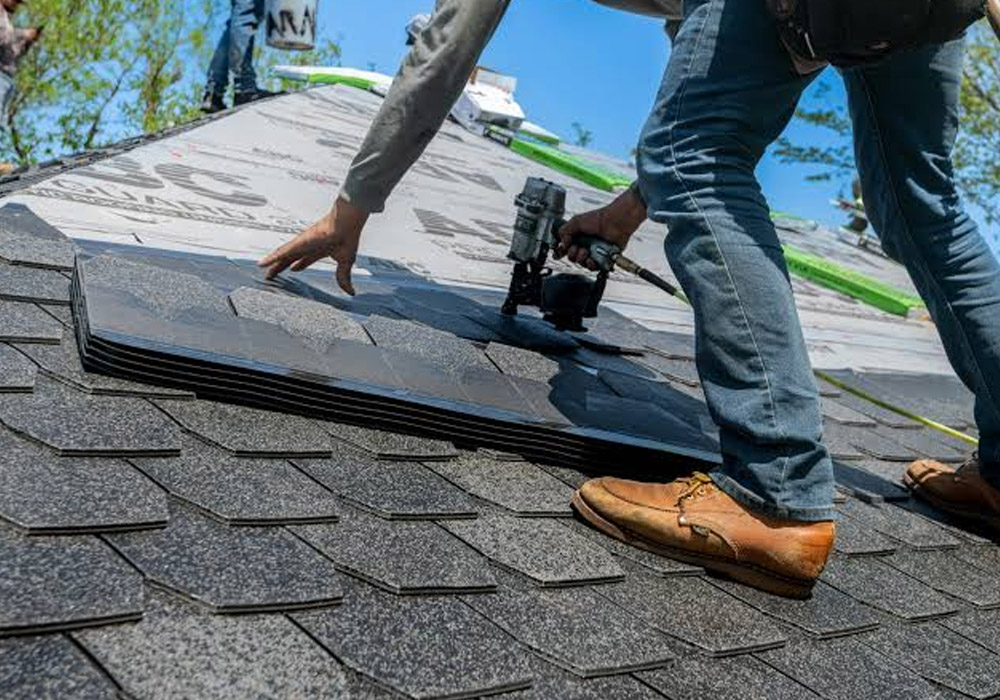
When a roof starts leaking, loses a few shingles, or shows visible signs of damage, homeowners usually face an immediate question: should I repair it myself or call a professional?
For homeowners in Hamilton, Ohio, the answer deserves careful consideration. A small roof repair can look straightforward from the ground, but roofing systems are designed with overlapping materials, flashing, underlayment, ventilation, sealants, and drainage components that all work together.
Hiring a Hamilton roofing company usually costs more upfront than attempting a DIY repair. In exchange, homeowners gain professional inspection, safer working conditions, proper installation techniques, and a repair designed to address the actual source of the problem.
DIY repairs have advantages in limited circumstances, but understanding both sides of the decision helps homeowners avoid turning a small roofing issue into a larger one.
What Is Considered a Professional Roof Repair?
Professional roof repair involves more than replacing the piece of material that appears damaged.
A roofing contractor evaluates the surrounding roofing system to determine why the problem occurred and whether damage extends beyond what is immediately visible.
Depending on the situation, professional roof repair can include:
- Replacing missing or damaged shingles
- Repairing flashing around chimneys, walls, and roof penetrations
- Correcting leaking pipe boots or vents
- Repairing damaged roof decking
- Addressing storm-related roof damage
- Correcting improper previous repairs
- Repairing valleys and drainage areas
- Identifying moisture entering beneath roofing materials
That diagnostic process is one of the largest differences between professional and DIY roof repair.
A homeowner often sees where water appears inside the house. A roofer works backward through the roofing system to determine where the water actually entered.
Those two locations are not always the same.
What Are the Advantages of Hiring a Hamilton Roofing Company?
The strongest argument for professional roof repair is not convenience. It is reducing uncertainty.
Homeowners hire roofers because roofing problems frequently involve more than the obvious damaged shingle or visible leak.
Professional Roofers Identify the Source of the Problem
Water does not always travel directly downward after entering a roofing system.
It can move along roof decking, rafters, underlayment, insulation, and other building materials before becoming visible inside the home.
That means repairing the area directly above an interior ceiling stain does not automatically stop the leak.
An experienced Hamilton roofing company inspects the roof as a complete system. The contractor can evaluate flashing, penetrations, shingles, valleys, gutters, decking, and other potential entry points before recommending a repair.
Correct diagnosis prevents homeowners from repeatedly repairing the wrong area.
Professional Roof Repair Is Safer
Roof work involves significant physical risk.
Even a one-story home requires working several feet above the ground on a sloped surface. Roofing materials can also become slippery because of moisture, dirt, loose granules, leaves, frost, or debris.
Professional roofing crews use equipment and procedures designed specifically for working at elevation.
Homeowners considering DIY roofing should account for more than their ability to use a hammer or replace a shingle. They also need to safely access the repair area, transport tools and materials onto the roof, maintain stable footing, and complete the work without damaging nearby roofing materials.
The potential savings from a DIY repair quickly become less important when personal safety is involved.
Professional Repairs Address More Than Surface Damage
Roof damage often extends beneath the visible roofing material.
A damaged shingle, for example, can expose underlayment to moisture. Continued water intrusion can eventually affect roof decking and surrounding building materials.
Professional roofers can identify these secondary problems while the repair area is accessible.
DIY repairs commonly focus on the visible symptom because homeowners do not always know which surrounding components need to be inspected.
Fixing only the surface problem can leave hidden damage behind.
Proper Materials and Installation Matter
Roofing systems are designed around specific installation requirements.
Shingles require proper placement and fastening. Flashing needs to direct water away from vulnerable areas. Sealants must be appropriate for roofing applications. Replacement materials should integrate correctly with the existing system.
Simply covering a damaged area with roofing cement or caulk does not create a permanent repair.
Temporary patches have a purpose during emergencies, but professional roof repair focuses on restoring the roofing system rather than covering the symptom.
That distinction becomes especially important when Hamilton homes experience repeated rain, wind, freezing temperatures, summer heat, and seasonal weather changes.
Professional Repairs Can Protect Existing Roofing Warranties
Roofing products and installations often include warranty requirements.
Improper repairs or incompatible materials can create warranty complications when future problems develop.
Having qualified professionals complete repairs creates a clearer record of how the roof has been maintained and what work has been performed.
Homeowners should always review the warranty terms associated with their specific roofing system before performing significant DIY work.
A Roofer Can Identify Whether Repair Is Actually the Right Solution
Not every roofing problem requires roof replacement.
At the same time, repeatedly repairing a roof that has widespread deterioration is rarely an efficient long-term strategy.
A professional inspection helps homeowners understand which situation they are dealing with.
A contractor can determine whether damage is isolated enough for repair or whether age, widespread deterioration, decking problems, or repeated failures justify discussing replacement.
That information allows homeowners to make decisions based on the condition of the entire roof rather than one damaged section.
What Are the Disadvantages of Professional Roof Repair?
Hiring a contractor also comes with tradeoffs.
The biggest is cost.
Professional Repairs Cost More Upfront
DIY roof repair eliminates professional labor charges.
For an extremely small repair, the difference can feel significant.
A homeowner who already owns the necessary tools and understands roofing installation can spend less completing the work independently.
Professional contractors also carry costs associated with insurance, equipment, training, vehicles, disposal, employees, administration, and business operations. Those expenses are reflected in professional repair pricing.
The important comparison is not simply DIY material cost versus a contractor estimate.
Homeowners should compare the cost of getting the problem corrected properly the first time against the possibility of additional repairs if DIY work fails.
Scheduling Can Be Less Immediate
A homeowner can sometimes begin a small project immediately.
A professional roofing company must schedule inspections and repairs around existing projects, crew availability, and safe weather conditions.
After major storms, roofing companies also experience increased demand.
For active water intrusion, homeowners should communicate the urgency when contacting a contractor. Emergency temporary protection can often limit additional damage until permanent repairs are completed.
What Are the Advantages of DIY Roof Repair?
DIY roofing is not automatically unreasonable.
There are circumstances where homeowners with the appropriate experience can handle very limited maintenance or minor tasks.
DIY Repairs Can Reduce Initial Cost
Labor represents part of the cost of professional roofing work.
Completing the repair independently reduces that expense.
For homeowners with legitimate roofing or construction experience, access to proper safety equipment, and a clear understanding of the problem, certain small repairs can be completed efficiently.
The key distinction is experience.
Watching a roofing tutorial does not provide the same understanding as repeatedly diagnosing and repairing roofing systems in real homes.
Homeowners Control the Timing
DIY work gives homeowners complete control over when the project begins.
There is no need to coordinate an appointment or contractor schedule.
That flexibility is useful for basic maintenance performed safely from the ground, such as monitoring drainage conditions or identifying visible changes to the roof.
It becomes less valuable once the project requires climbing onto the roof or removing roofing materials.
What Are the Risks of DIY Roof Repair?
The disadvantages of DIY roofing are more substantial because mistakes affect both personal safety and the home’s ability to remain watertight.
The Repair Can Miss the Actual Problem
This is one of the most common weaknesses of DIY roofing.
A homeowner sees a damaged shingle and assumes the shingle caused the leak.
The actual problem could be flashing, a roof penetration, damaged underlayment, deteriorated decking, or another vulnerable area farther up the roof.
Replacing the visible shingle does not solve a problem located elsewhere.
Meanwhile, water continues entering the roofing system.
Incorrect Repairs Can Create New Leaks
Roofing materials depend on proper overlap and water-shedding design.
Installing a shingle incorrectly, placing fasteners in the wrong location, improperly sealing flashing, or disturbing surrounding materials can introduce new entry points for water.
The repair then becomes more complicated than the original problem.
Professional roofers understand how individual components interact with the surrounding roofing system.
DIY Work Can Damage Otherwise Healthy Roofing Materials
Walking on a roof improperly can damage shingles.
Removing damaged materials can also disturb surrounding shingles, flashing, underlayment, or fasteners.
What begins as one small repair area can expand when neighboring materials become damaged during removal or installation.
That additional damage eliminates much of the financial advantage homeowners hoped to gain by doing the work themselves.
Falls Are a Serious Concern
No potential roofing savings justify ignoring fall risk.
Roof pitch, height, footwear, weather, ladder placement, and surface conditions all affect safety.
A homeowner who is uncomfortable working at elevation should not attempt roof repair.
Calling a professional roofing company keeps that risk with people equipped and trained to manage it.
Professional Roof Repair vs. DIY: Which Costs Less Long Term?
DIY repair usually has the lower initial price.
Professional repair often provides the better long-term value when the issue involves water intrusion, flashing, storm damage, multiple roofing components, or uncertainty about the cause.
Consider the full cost of a failed repair.
Continued water intrusion can damage insulation, drywall, ceilings, decking, framing, paint, and interior finishes. A problem that originally involved a relatively small roofing repair can become a much larger restoration project.
Professional diagnosis helps prevent that escalation.
The objective should not be completing the cheapest repair today. It should be stopping the roofing problem effectively and protecting the home from additional damage.
When Should a Hamilton Homeowner Call a Roofing Company?
Homeowners should contact a professional when roofing damage involves more than basic observation or extremely minor maintenance.
Professional evaluation is especially important after:
- Visible roof leaks
- Missing or lifted shingles
- Strong wind events
- Hail damage
- Fallen branches or debris
- Damaged flashing
- Sagging roof areas
- Water stains on ceilings or walls
- Repeated problems in the same roof area
- Visible deterioration around chimneys or roof penetrations
Homeowners should also schedule an inspection when they cannot clearly identify why the roofing problem occurred.
Knowing the cause comes before choosing the repair.
What Should Homeowners Look for in a Hamilton Roofing Company?
Hiring a professional only creates value when the contractor is qualified and reliable.
Homeowners should look for a roofing company that clearly explains what is damaged, how the repair will be completed, and why the recommended work is necessary.
A dependable contractor should also provide clear communication, written project details, appropriate insurance, established local experience, and realistic expectations.
Roofing decisions become much easier when homeowners understand exactly what they are paying to repair.
Frequently Asked Questions About Professional vs. DIY Roof Repair
Is it cheaper to repair a roof yourself?
DIY roof repair generally costs less initially because the homeowner is not paying professional labor. However, an incorrect repair can create additional damage that makes the total project more expensive.
Can a homeowner replace a few shingles?
A homeowner with roofing experience, appropriate tools, and proper safety equipment can perform limited shingle replacement. Homeowners without roofing experience should have a professional inspect the damage first, especially when water intrusion is involved.
Should I use roofing cement to stop a leak?
Roofing cement can serve as temporary protection in certain situations, but covering an area with sealant does not automatically correct the underlying source of a roof leak. Permanent repair requires identifying where water is entering the roofing system.
When does roof damage require professional repair?
Professional repair is appropriate when damage involves active leaks, flashing, multiple shingles, storm damage, decking, roof penetrations, or any issue where the source of the problem is unclear.
Can a small roof leak become a bigger problem?
Yes. Water that continues entering a roofing system can affect decking, insulation, ceilings, walls, and other building materials. Addressing leaks quickly limits the area exposed to moisture.
Should a roof be inspected after a Hamilton storm?
A professional roof inspection is appropriate when strong wind, hail, falling debris, or other severe weather creates visible damage or leaves homeowners concerned about the condition of the roof.
The Bottom Line: DIY Savings Come With Added Risk
DIY roof repair has one clear advantage: lower initial labor costs.
For homeowners with professional-level construction experience, proper equipment, and a very limited repair, completing the work independently can be practical.
For most homeowners, however, the larger question is not whether they can physically replace a shingle. It is whether they can correctly diagnose the entire roofing problem, complete the repair safely, protect surrounding materials, and ensure water stays out afterward.
That is where hiring an experienced Hamilton residential roofing company provides value.
Professional roof repair costs more upfront, but homeowners gain trained inspection, proper installation, safer working conditions, and a repair based on the actual condition of the roof.
When the roof protects everything underneath it, getting the repair right matters considerably more than simply getting it done.