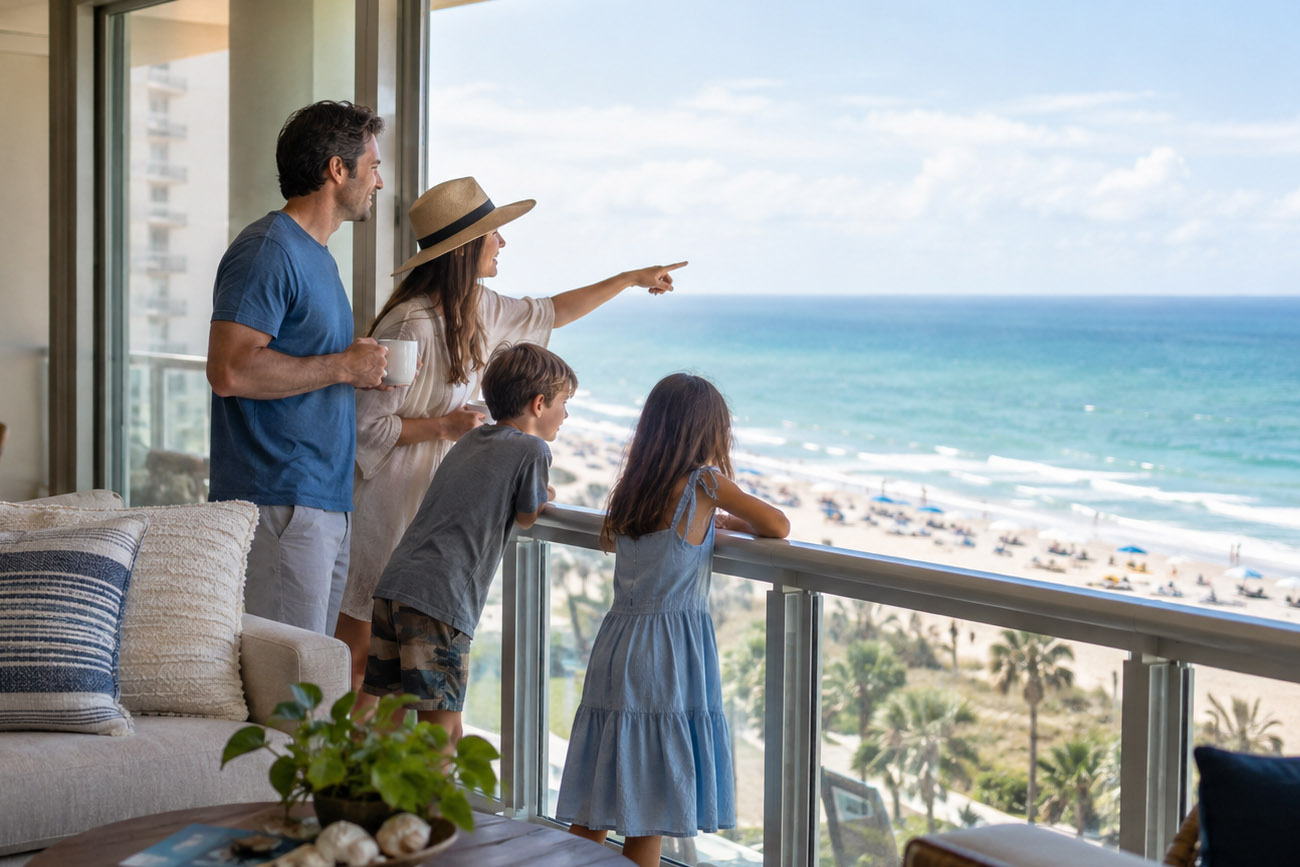
Booking a South Padre Island beachfront condo often begins with glossy photos of balconies, pools, and ocean views. However, the stay you remember ultimately comes down to quieter details, such as which direction the balcony faces, how many elevator banks serve the building, where the dune crossover leads to the beach, and whether the property rules fit your plans. Before committing to your dates, use a practical decision framework that considers orientation, floor height, proximity to amenities, in-unit features, and arrival logistics. Paying attention to boardwalk access, pool hours, parking clearance, and check-in procedures can turn an attractive listing into a property that truly fits your family, fishing group, or remote work stay.
Identify Your SPI Stay: Family Week, Fishing Trip, or Remote Work Escape
Start by defining the type of trip you are actually taking, then work backward from your daily routine. Families with nap schedules may prefer a building where the primary bedroom is away from the pool courtyard, with blackout curtains and a solid bedroom door to reduce midday noise. Anglers heading out before sunrise may value a quick route from the elevator to the parking area, along with an outdoor rinse station near the boardwalk for sandy footwear and equipment. Remote workers need reliable WiFi with a clearly stated speed, a table near an electrical outlet, and a Gulf- or bay-facing space that doesn’t get excessively windy when they take calls outside.
When browsing large complexes such as Saida Towers condos for rent, compare practical layout information as carefully as you review the photos. Check where each tower is located relative to the beach access gate, whether more than one elevator bank is available, and how far the grills, playground, tennis courts, or other amenities are from the unit. If your group will use strollers, beach wagons, or fishing carts, short, level routes from the lobby to the boardwalk can make a noticeable difference on hot afternoons.
Gulf or Bay Exposure: Wind, Glare, and Views You Will Actually Use
The direction a unit faces can significantly affect how often you use the balcony. Gulf-facing condos offer ocean views and the sound of waves, but they may also get more onshore wind and salt spray. Tall glass railings or a recessed balcony can make the space more comfortable when breezes become strong. Guests who enjoy morning coffee may appreciate eastern sunlight, while those who prefer gathering at sunset may enjoy a bay view with evening colors and less glare during dinner. If you plan to work outside or use nearby shared grilling areas, look for a location that receives some protection from neighboring buildings or landscaping.
Consider the season and your daily routine, too. During summer, a balcony with afternoon shade can give children a comfortable place to snack, draw, or relax without sitting in direct sun. Adults may also appreciate a cooler place to unwind after spending time on the beach. During winter, a southern exposure may feel warmer on breezy days. If you travel with lightweight equipment such as inflatable paddleboards or kites, protected storage inside the condo and a balcony that isn’t overly exposed can make setup and drying easier between outings.
Floor Height and Proximity: Noise, Elevators, and Beach Access
Higher floors often provide broader Gulf views and fewer mosquitoes, but they also make you more dependent on elevators for every trip outside. During busy arrival and departure periods, elevator waits can increase as guests move luggage carts, coolers, and beach equipment. If you expect to make several trips each day with young children, a middle floor may offer a useful balance between views and the option of using stairs when elevators are crowded. Lower floors near pools or hot tubs provide convenient access but may also receive more music, splashing, and evening conversation. If quiet hours matter to your group, consider units away from common areas, elevators, and trash rooms.
Map out the route from your vehicle to the beach before booking. Check whether the parking area connects directly to the elevator lobby or whether you must cross an exposed walkway. Look for ramps that accommodate wagons at the dune crossover, and find out whether an outdoor shower or hose is available nearby to rinse sand from feet, toys, and cooler wheels. Imagine a parent carrying a sleeping child, a beach bag, and an umbrella. Short distances, smooth walking surfaces, and clear access routes can make everyday trips much easier.
In Unit Details That Can Save a Beach Day
Small features inside the condo can make a major difference when weather conditions or schedules change. Blackout curtains in bedrooms can protect nap times from strong midday sunlight. A full-size washer and dryer, along with a folding drying rack, can help manage wet swimsuits, sandy clothing, and towels. Kitchens that include practical items such as a nonstick skillet, baking sheet, cutting board, and ice maker make it easier to prepare meals after a long day at the beach. Limited cookware and a very small refrigerator may leave you relying on restaurants when everyone is tired. For families, bunk beds with guardrails and tile flooring may be more practical than tall loft beds and thick carpet that can trap sand.
Remote workers should ask for specific information about WiFi rather than relying only on a claim that internet service is fast. Mesh routers or additional access points can help maintain a reliable signal throughout larger condos, including bedrooms and balcony areas. Electrical outlets near the dining table, a simple desk lamp, and a supportive chair can reduce the need to leave the property to work from a coffee shop. If you plan to play games, eat meals, or take photographs outside, look for a balcony with sturdy seating and adequate lighting.
Rules, Parking, and Arrival: Small Policies With Big Consequences
Property rules can influence your stay as much as the floor plan. Homeowners associations may require wristbands for pool access, establish quiet hours, and prohibit glass containers around the pool area. Some properties also prohibit grills on balconies or restrict coolers near hot tubs. If you are traveling with a large group, confirm the unit’s maximum occupancy and ask how bunk beds and sleeper sofas count toward that number. Groups that enjoy staying up late may prefer properties with larger outdoor areas that are separated from sleeping spaces, while families may appreciate earlier quiet hours and staffed entrances.
Parking and arrival procedures can also create unexpected problems. Check garage height restrictions if you are driving an SUV with a roof box, carrying surfboards, or using a roof rack. Some garages have limited clearance that may not accommodate taller vehicles. Ask how many parking permits are provided, whether trailers are prohibited, and whether parking spaces are assigned. Keyless entry with a keypad can simplify late-night arrivals, but confirm the check-in window and whether luggage carts are available without front-desk assistance. Having gate codes, elevator information, and the nearest dune crossover location ready before arrival can prevent confusion during the first hour of your stay.
Photos may attract you to a condo, but practical suitability is what supports a comfortable vacation. Define the type of South Padre Island trip you want, then choose an orientation, floor height, and location that match how your group will spend time between the beach and the condo. Confirm the features inside the unit that can keep beach days convenient and work days productive, and review property rules with your group in mind. Once you have a shortlist, ask specific questions about WiFi speed, elevator availability, parking clearance, and pool access requirements. The result is not simply an attractive view. It is a condo that works well for the people who will actually stay there.