Your home's exterior serves as its primary defense against harsh weather, temperature fluctuations, and environmental wear. Neglecting seasonal maintenance can allow minor issues like clogged gutters, cracked siding, or roof leaks to turn into costly structural repairs. By implementing a proactive, year-round maintenance strategy, you can protect your financial investment, preserve curb appeal, and ensure your property remains safe and comfortable across every season.
Refresh Your Home with Essential Spring Maintenance
Spring is the ideal time to inspect your home's exterior for damage caused by winter freezing, heavy snow, and severe ice storms. As the weather warms, performing a thorough inspection helps catch vulnerabilities early before spring rainstorms cause water intrusion.
Begin by inspecting the roof for missing, cracked, or curling shingles, paying special attention to flashing around chimneys and vents. Clear gutters and downspouts of winter debris to ensure rainwater drains away from your foundation. Walk the perimeter of your house to check siding and brick masonry for cracks or peeling paint, sealing small gaps with exterior-grade caulk.
Spring is also the time to test your home's main access points. Inspect exterior doorways, window screens, and garage door systems. If your overhead door squeaks, tracks appear misaligned, or the opener struggles, booking a professional garage door repair service in Boise ensures smooth operational safety, protects your home's security, and prevents unexpected mechanical failures during high-use seasons.
Clearing Gutters and Inspecting Drainage
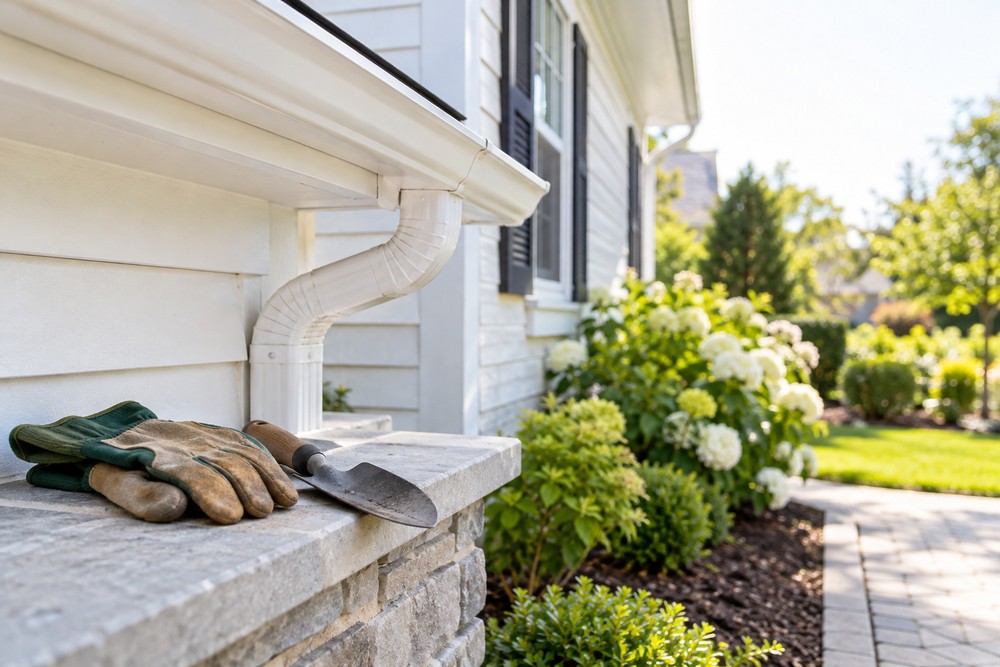
Clearing winter leaves and twig buildup from gutter channels allows heavy spring rain to flow freely away from roof edges.
Directing downspouts at least five feet away from foundation walls prevents basement flooding and soil erosion. Clean drainage systems protect structural integrity.
Inspecting Siding and Sealing Exterior Gaps
Checking wood, vinyl, or fiber-cement siding for winter damage helps spot places where moisture or pests could enter your home.
Applying exterior caulk around window frames and door trims stops draft leaks and prevents water damage behind siding panels. Caulking preserves home energy efficiency.
Protect and Enhance Exterior Surfaces During Summer
Summer weather brings intense sunshine, high humidity, and severe afternoon thunderstorms. Focusing on UV protection, wood deck care, and siding maintenance keeps your exterior looking vibrant and resilient throughout the hottest months.
Inspect wooden decks, patio structures, and fences for rot, loose boards, or popping nails. Apply a protective sealant or wood stain every two to three years to prevent solar fading, wood cracking, and moisture absorption. Summer is also ideal for pressure washing siding, concrete driveways, and stone walkways to remove accumulated dirt, pollen, and mold.
Additionally, trim overgrown tree branches and shrubs growing too close to your home's roofline or siding. Keeping foliage at least two feet away prevents scratches to paint surfaces, limits pest access, and stops damp leaves from trapping moisture against your walls.
Pressure Washing Siding and Paved Walkways
Using a pressure washer on a low setting cleans dirt, mildew, and grime off vinyl siding and concrete driveways safely.
Removing slick moss and dirt buildup off stone walkways improves curb appeal and creates safe, slip-free walking surfaces. Power washing refreshes your home's appearance.
Staining and Sealing Wooden Decks
Applying a water-resistant wood stain to outdoor decks shields natural timber from UV rays and rain damage.
Sealing deck boards stops wood from warping, splintering, and rotting under hot summer sun. Regular sealing extends outdoor deck lifespan.
Prepare Your Property for Cold Weather in Autumn
Autumn maintenance centers on preparing your home's exterior for freezing winter temperatures, fallen leaves, and winter precipitation. Taking time to winterize your home in the fall prevents burst pipes, ice dams, and severe roof leaks.
Once trees shed their leaves, clear gutters and downspouts a second time to prevent winter ice blockages. Inspect the roof for loose shingles or damaged flashing that could allow melting snow to seep beneath the roof deck. Clean and store outdoor patio furniture, disconnect garden hoses, and drain exterior water spigots to prevent frozen pipes from bursting inside your walls.
Seal gaps along the foundation, basement windows, and garage thresholds to stop cold air drafts and keep rodents from seeking warmth indoors. Preparing your property during autumn protects structural components and keeps heating bills manageable once winter sets in.
Winterizing Outdoor Plumbing and Spigots
Shutting off interior water supply valves to outdoor spigots and draining remaining water stops pipes from freezing and bursting in winter.
Disconnecting and storing garden hoses before the first freeze prevents trapped water from expanding and damaging faucet assemblies. Plumbing winterization stops costly leaks.
Sealing Foundation Vents and Crawl Space Accesses
Covering open foundation vents and sealing gaps around basement windows stops cold winter air from chilling subfloors.
Insulating crawl space walls protects exposed plumbing lines from freezing during sub-zero temperature drops. Foundation sealing preserves indoor heat.
Perform Crucial Inspections and Safety Checks in Winter
Winter presents severe challenges to your home's exterior, including heavy snow loads, freezing rain, and destructive ice dams. While outdoor work is limited during freezing months, monitoring your property regularly catches cold-weather damage early.
After heavy snowfalls, check rooflines for large icicles or thick ice ridges along gutter edges, which indicate ice dam formation. Ice dams trap melting snow, forcing water under shingles and into interior ceilings. Safely remove excess snow using a roof rake from ground level to relieve structural stress and prevent ice backup.
Keep driveways, steps, and walkways clear of snow and ice using concrete-safe ice melt products or sand to prevent dangerous slips. Regularly inspect exterior lighting fixtures to ensure entryways remain bright and safe during dark winter evenings.
Managing Ice Dams and Roof Snow Accumulation
Using a telescoping roof rake to remove fresh snow off roof edges prevents ice dams from forming along gutter lines.
Improving attic insulation and ventilation reduces heat escape, stopping snow on the roof from melting and refreezing into ice. Snow management protects roof integrity.
Maintaining Safe Walkways and Exterior Lighting
Clearing snow off front steps and applying sand or calcium chloride ice melt creates safe footing for family and visitors.
Replacing burnt-out exterior light bulbs around entryways and garage doors improves safety and visibility during dark winter months. Bright lighting boosts winter security.
Care for Landscaping and Hardscape Elements Year-Round
Your home's hardscape elements—such as brick walkways, concrete driveways, retaining walls, and surrounding garden beds—require consistent care across all four seasons. Neglecting hardscapes allows freeze-thaw cycles to crack paved surfaces and ruin outdoor landscaping.
Sweep dirt, leaves, and organic debris off stone pavers regularly to prevent permanent staining and weed growth in sand joints. Fill small asphalt or concrete driveway cracks with flexible masonry sealer every autumn to prevent water from freezing inside cracks and breaking up the surface.
Maintain proper soil grading around garden beds along foundation walls, ensuring ground slopes downward away from the house. Proper soil grading channels heavy rainwater away from basement walls, protecting foundation integrity throughout spring storms and winter thaws.
Repairing Driveway Cracks and Sealing Pavement
Filling narrow cracks in concrete and asphalt driveways stops water from soaking into subsoil where freezing causes pavement upheaval.
Applying protective asphalt sealer every few years extends pavement life and gives driveways a clean, fresh finish. Pavement repair preserves driveway utility.
Maintaining Foundation Soil Grading and Drainage
Adding topsoil along foundation walls restores a gentle downward slope, preventing rainwater from pooling against basement structures.
Keeping flower bed mulch below siding levels stops moisture accumulation and deters termites from invading wooden framing. Correct soil grading guards foundations.
Conclusion
Maintaining your home's exterior throughout the year is an essential part of responsible homeownership that protects your property's value, appearance, and structural health. By following a consistent seasonal schedule—inspecting roofs and sealing siding in spring, washing surfaces and sealing decks in summer, clearing gutters and winterizing plumbing in autumn, and managing snow and ice in winter—you prevent minor wear from becoming expensive structural damage. Taking proactive care of your roof, siding, hardscapes, and entryways ensures your home remains a safe, beautiful, and welcoming sanctuary through every season of the year.