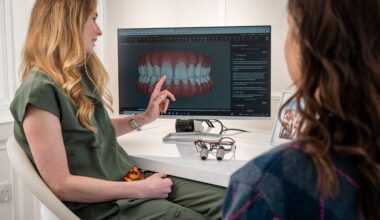
Replacing missing teeth is a personal decision that can affect meals, speech, confidence, daily cleaning routines, and future dental care. For patients in Rockville and throughout Montgomery County, the best path is rarely determined by a single factor. It depends on how many teeth are missing, the condition of the gums and jawbone, the health of the remaining teeth, medical history, budget, and the desired level of stability. For people exploring complete smile replacement, full mouth dental implants Rockville. MD are described by State Of The Art Dental Group as a fixed full-arch treatment involving personalized planning, implant placement, temporary teeth when appropriate, and a final restoration. Because the Rockville practice provides implant, restorative, gum, extraction, and bone-grafting services, it can help patients discuss how those connected needs may affect an individual full-arch treatment plan.
Start With the Right Question
Instead of asking which option is universally “best,” ask which solution fits your current oral health and everyday priorities. A removable appliance may be a reasonable choice for one person, while another may prefer a fixed restoration. An online comparison can prepare you for an appointment. Still, an examination, X-rays or scans, and a discussion of your health history are needed before a dentist can recommend treatment.
The Main Tooth Replacement Options
Most treatment conversations involve one or more of these categories:
- Traditional dentures: Removable appliances that replace all teeth in an upper or lower arch.
- Partial dentures: Removable appliances used when some natural teeth remain.
- Dental bridges: Fixed replacements supported by neighboring teeth or, in some cases, implants.
- Dental implants: Artificial tooth roots placed in the jawbone that can support a crown, bridge, denture, or full arch of teeth.
A dental implant differs from a conventional denture because it is placed in bone rather than simply resting on the gums. That distinction can affect treatment time, stability, cleaning methods, and candidacy.
Match the Option to the Number of Missing Teeth
Replacing One Tooth
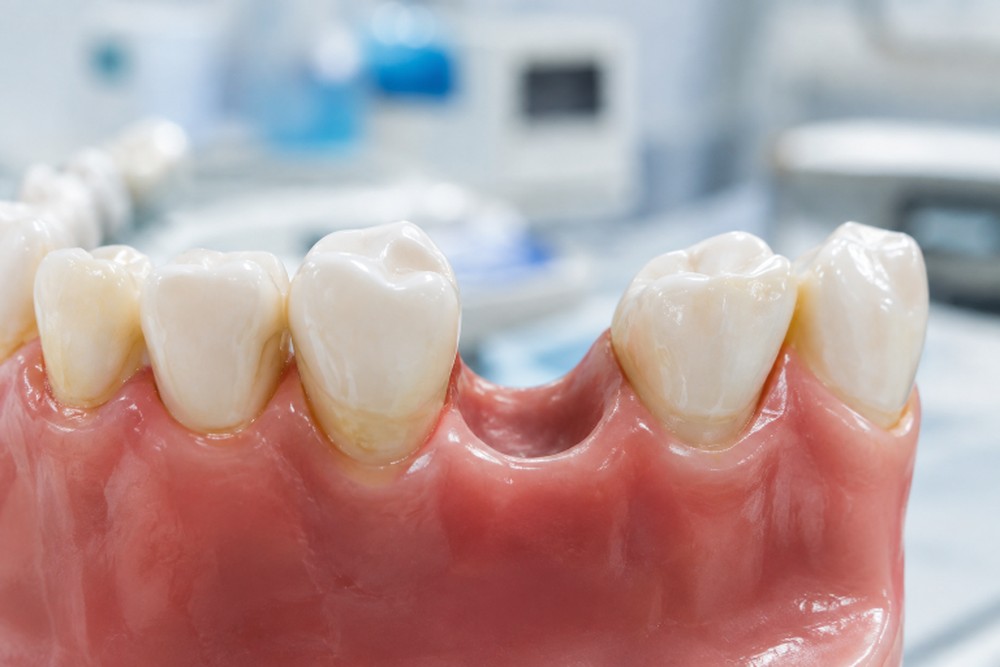
A single missing tooth may be replaced with an implant-supported crown, a traditional bridge, or a removable replacement. A bridge can be appropriate in some situations, but it typically relies on teeth next to the gap; the condition of those supporting teeth matters.
Replacing Several Teeth
When several teeth are missing, a partial denture, multiple implants, or an implant-supported bridge may be considered. The location of the spaces, bite forces, gum health, and strength of remaining teeth can all shape the recommendation.
Replacing Most or All Teeth
For a full arch with many missing or failing teeth, the conversation may include conventional full dentures, removable implant-supported dentures, and fixed implant-supported full-arch restorations. Saving healthy natural teeth should always be part of the discussion before choosing an irreversible treatment.
Compare Comfort, Stability, and Daily Function
Removable dentures are taken out for cleaning and may require adjustments as the mouth changes over time. Some people find them comfortable and practical, while others want more stability during meals or conversations. Bridges remain fixed, but cleaning around and beneath them takes care and consistency. Implant-supported restorations are designed to provide a stable foundation because they are connected to implants. However, comfort still depends on a precise fit, a balanced bite, healthy tissues, and ongoing follow-up. Ask whether a proposed restoration comes out at night, whether adhesive may be needed, and what tools are required for home cleaning.
Consider Treatment Time and Recovery
Timelines vary widely. A removable denture can sometimes provide a replacement sooner, particularly after tooth removal. A bridge may involve fewer surgical steps, but supporting teeth may need preparation. Implant treatment can include planning, extractions, gum care, bone grafting when indicated, implant surgery, healing, and final restoration placement. Some patients may receive a temporary tooth replacement during treatment, while others need to wait for healing before a final restoration is placed. Request a phase-by-phase timeline, including what will happen immediately after extractions or implant surgery and when normal chewing is expected to resume.
Review Oral Health and Candidacy Factors
Healthy gums and reliable oral hygiene matter for every replacement option. For implants, the dental team also evaluates bone quantity and quality, bite forces, and the location of important structures in the jaw. Active infection, untreated gum disease, smoking, uncontrolled medical conditions, and teeth grinding can affect planning or healing. Bring a complete medication list and medical history to the consultation. A person who has worn dentures for years may still be evaluated for implants. Still, imaging is needed to assess the available bone and determine whether additional procedures may be appropriate.
Compare Long-Term Care, Not Just the Procedure
- Remove and clean dentures daily, and ask how often relines or replacement may be needed.
- Clean carefully around bridges, including under the replacement teeth where recommended.
- Brush implant-supported teeth and attend professional cleanings and examinations.
- Discuss a night guard if clenching or grinding could place extra stress on teeth or restorations.
- Report looseness, discomfort, gum bleeding, changes in bite, or damage promptly.
Compare the Full Cost, Not Only the Starting Price
A useful estimate identifies what is included at each stage. Ask about examinations, scans, extractions, sedation, bone grafting, temporary teeth, final restorations, follow-up appointments, repairs, and replacement parts. Insurance benefits may have limits, and financing terms should be reviewed carefully. The least expensive first step is not automatically the lowest long-term cost. A written treatment plan makes it easier to compare options, understand potential future maintenance, and avoid confusing estimates that omit necessary stages.
Questions to Ask Before You Decide
- Can any remaining teeth be saved predictably?
- Which options are fixed, and which are removable?
- Will gum treatment, extractions, or bone grafting be needed?
- What temporary replacement will be available during healing?
- What home care and professional maintenance will this option require?
- Which costs are included in the written estimate?
- Would a second opinion help clarify the alternatives?
Common Questions About Dentures, Bridges, and Implants
Are dentures or implants better?
Neither is automatically better for every patient. Dentures can be a practical removable solution, while implants may appeal to people seeking added support for a crown, bridge, or denture. Health, treatment preferences, cost, and maintenance ability all matter.
Are bridges permanent?
Bridges are fixed in place, but they can still need repair or replacement over time. Their longevity is influenced by hygiene, materials, bite forces, and the health of the teeth or implants supporting them.
Why can a second opinion be helpful?
A second opinion can confirm a diagnosis, identify alternatives, and clarify the scope of treatment before a major investment. Reviewing a plain-language comparison of dentures and implants can also help patients organize questions before an appointment.
Final Takeaway
The strongest tooth replacement choice is the one that aligns with your oral health, comfort goals, lifestyle, budget, and ability to maintain the results over time. Rockville patients should compare daily function, treatment phases, follow-up needs, and long-term costs alongside appearance. It is also important to consider how each option may affect chewing, speech, nearby teeth, and everyday cleaning habits. Some treatments require surgery and a longer healing period, while others may involve adjustments, specialized cleaning techniques, or future repairs. Asking about these details early can help you prepare for the commitment involved and avoid making a decision based solely on the initial cost. A thorough examination and an open conversation about every reasonable option can make a major dental decision feel more manageable. With guidance from a dental professional, you can better understand the benefits and limitations of each approach and choose a solution that supports your oral health, daily comfort, and long-term needs.