Maintaining physical independence, joint mobility, and functional strength becomes increasingly important as we age. Among the many joints in the human body, the shoulder complex plays a vital role in allowing us to perform daily activities seamlessly—from reaching upper pantry shelves and lifting groceries to dressing independently and enjoying active recreational hobbies. Because the shoulder relies heavily on delicate soft tissue balance rather than deep bony sockets for stability, proactive care is essential. Incorporating targeted strength exercises, mobility routines, and smart lifestyle habits preserves shoulder health and keeps you active throughout your senior years.
Understand Age-Related Changes in the Shoulder Joint
As the human body ages, natural physiological changes alter the structural integrity and flexibility of connective tissues surrounding the shoulder joint. Tendons and ligaments gradually lose elastic collagen fibers, making them less pliable and more susceptible to stiffness, inflammation, and micro-tearing during routine daily activities.
Furthermore, natural age-related decreases in localized blood circulation slow down the body's soft tissue repair mechanisms. Reduced blood flow across the rotator cuff tendons can lead to chronic tendinopathy, joint stiffness, and a diminished subacromial space where delicate tendons can become pinched during overhead arm lifting movements.
Recognizing these age-related biological shifts helps individuals adapt their physical fitness routines rather than abandoning activity altogether. By prioritizing gentle warming exercises, gradual movement progression, and proper joint mechanics, seniors can protect their shoulders against degenerative wear while maintaining high functional capability.
Prioritize Targeted Rotator Cuff Strengthening Exercises
The rotator cuff consists of four small stabilizing muscles that center the head of the upper arm bone within the shoulder blade socket. While large muscle groups like the chest and deltoids often receive attention during workouts, maintaining strong rotator cuff muscles is the single most effective way to prevent age-related shoulder injuries.
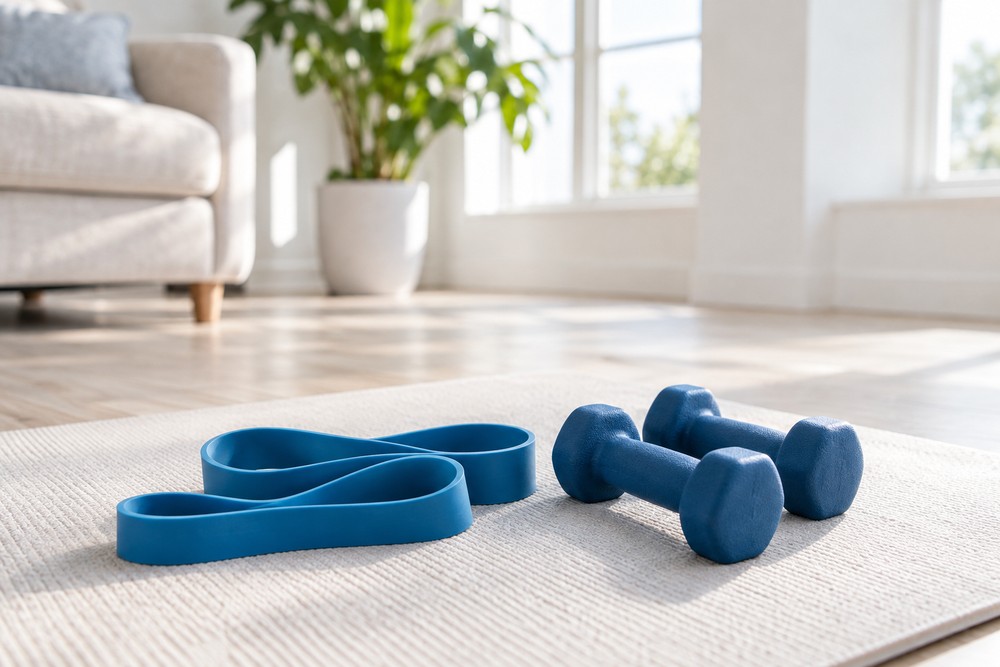
Incorporate targeted, low-resistance internal and external rotation exercises using light elastic resistance bands or light hand weights twice weekly. Keeping resistance low allows you to isolate and strengthen the stabilizing rotator cuff muscles without placing excessive mechanical stress on delicate tendinous attachments.
Additionally, strengthening the muscles that control the shoulder blade—such as the rhomboids, serratus anterior, and lower trapezius—provides a stable foundation for all arm movements. Strong scapular retractors keep the chest open, preventing rounded shoulder posture and maintaining clearance within the shoulder joint space.
Executing Banded External Rotation Workouts
Anchoring a light resistance band at elbow height and rotating the forearm outward isolates and strengthens the infraspinatus and teres minor muscles.
Keeping the elbow pinned firmly against your side during execution ensures optimal muscle isolation. Controlled rotation builds resilient shoulder stability.
Strengthening Scapular Retractors with Rows
Performing seated or standing resistance band rows draws the shoulder blades together, strengthening the mid-back muscles that counteract slouching.
Squeezing the shoulder blades at the end of each repetition restores upright posture. Strong back muscles relieve strain on anterior shoulder tendons.
Maintain Daily Joint Mobility and Flexibility Routines
Strength alone is insufficient for long-term shoulder health; maintaining full joint range of motion through daily mobility and stretching exercises is equally critical. Static lifestyles and prolonged sitting cause joint capsules to tighten, restricting arm elevation and rotational mobility over time.
Incorporate gentle mobility exercises into your morning routine, such as pendulum swings, shoulder rolls, and wall slides. These low-impact movements stimulate the production of synovial fluid within the joint capsule, lubricating cartilage surfaces and reducing friction during subsequent daily tasks.
Perform gentle static stretches for tight chest and anterior shoulder muscles after workouts or warm baths when tissue temperatures are elevated. Stretching the pectoralis major and minor muscles opens up the chest, preventing rounded shoulders and protecting the neck and upper spine from compensatory stress.
Performing Wall Slides for Overhead Mobility
Standing facing a wall and sliding your forearms upward gently expands overhead range of motion without overloading shoulder tendons.
Focusing on smooth, controlled upward reaching improves functional flexibility needed for reaching high shelves. Wall slides maintain safe overhead mechanics.
Opening Tight Chest Muscles with Doorway Stretches
Placing forearms against a doorframe and stepping forward gently stretches tight chest muscles that pull shoulders forward into slouched positions.
Holding the gentle stretch for twenty to thirty seconds restores natural length to shortened pectoral fibers. Doorway stretches support open posture.
Incorporate Non-Surgical Regenerative Therapies and Care
When age-related shoulder stiffness, mild arthritis, or chronic tendon discomfort begins to limit your daily activities, exploring modern non-surgical therapeutic modalities can help manage inflammation and accelerate tissue recovery naturally. Conservative care preserves joint function without requiring invasive procedures or lengthy recovery periods.
Integrative therapies—including specialized physical therapy, targeted joint mobilization, low-level laser therapy, and regenerative protocols—help restore localized blood circulation, reduce joint swelling, and stimulate natural soft tissue healing mechanisms. Many active adults exploring holistic wellness options consider ozone therapy in Utah as part of a comprehensive strategy to manage joint discomfort, reduce oxidative stress, and support active aging.
Combining professional therapeutic care with consistent home exercise routines ensures that minor shoulder aches are addressed early before compounding into severe mobility restrictions. Seeking proactive, non-invasive guidance empowers seniors to remain active and pain-free.
Utilizing Professional Physical Therapy Programs
Working alongside licensed physical therapists provides customized exercise protocols tailored specifically to your unique anatomical needs and physical limitations.
Therapists correct improper movement patterns and guide safe progression, ensuring exercises build strength without aggravating tender joint tissues. Professional guidance optimizes rehabilitation success.
Addressing Joint Inflammation Early and Naturally
Addressing early joint stiffness with non-invasive therapies prevents chronic inflammation from altering daily movement mechanics and causing muscle wasting.
Early conservative management protects joint longevity and preserves physical independence. Proactive care sustains long-term active living.
Practice Smart Ergonomics and Joint Protection Strategies
Protecting your shoulders as you age requires paying attention to everyday movement habits and modifying physical tasks to minimize joint strain. Repetitive awkward reaching, lifting heavy items far from your torso, and sudden jerky movements elevate injury risks unnecessarily.
When lifting heavy objects—such as grocery bags, luggage, or potting soil—keep the load close to your body and engage your core and leg muscles rather than relying solely on your arms and shoulders. When reaching for items overhead, use a sturdy step stool to bring your body closer to the object, avoiding full arm extension at compromised angles.
Organize your home and kitchen environments to keep frequently used items stored between hip and chest height, minimizing unnecessary overhead reaching. Simple ergonomic adjustments remove daily physical strain, allowing your shoulder joints to stay healthy and pain-free for years to come.
Lifting Heavy Loads Close to the Center of Gravity
Holding heavy boxes or bags close to your chest reduces the lever distance, drastically lowering mechanical torque on shoulder joints.
Engaging leg muscles during lifting shifts physical effort away from upper body joints. Smart lifting mechanics protect rotator cuff tendons.
Modifying Household Storage for Safe Accessibility
Moving heavy cookware and daily dishes to counter-height shelves eliminates the need to reach high overhead or bend awkwardly.
Arranging storage thoughtfully minimizes joint strain during routine meal preparation. Accessible home design supports lifelong physical safety.
Foster a Holistic Wellness Routine to Support Joint Health
Long-term joint health is deeply connected to overall systemic wellness, including proper nutrition, adequate hydration, restful sleep, and healthy stress management. The tissues that form your tendons, ligaments, and joint cartilage require essential nutrients to repair daily physical wear and maintain structural strength.
Eat a balanced diet rich in anti-inflammatory foods, such as omega-3 fatty acids, colorful vegetables, lean proteins, and berries that combat systemic oxidative stress. Staying well-hydrated throughout the day keeps joint cartilage supple and functioning effectively as a shock absorber during daily physical movement.
Prioritize high-quality sleep nightly, as nighttime rest is when your body releases growth hormones necessary for soft tissue repair and muscle recovery. A holistic approach to daily health creates an optimal internal environment that supports strong, flexible, and resilient shoulders throughout your senior years.
Consuming Anti-Inflammatory Foods for Joint Health
Incorporating fatty fish, walnuts, olive oil, and leafy greens provides essential nutrients that lower systemic inflammation across connective tissues.
Reducing inflammatory dietary triggers protects joint cartilage and minimizes daily stiffness. Strategic nutrition supports active joint recovery.
Maintaining Proper Hydration for Cartilage Cushioning
Drinking adequate water daily ensures joint cartilage maintains its high water content, maximizing shock-absorption capabilities during physical activity.
Properly hydrated tissues glide smoothly over one another, reducing friction and wear within joint capsules. Daily hydration protects smooth joint movement.
Conclusion
Maintaining shoulder strength and flexibility as you age is an achievable goal that pays lifelong dividends in personal independence, mobility, and overall quality of life. By understanding age-related joint changes, prioritizing rotator cuff strengthening, maintaining daily flexibility routines, exploring non-surgical therapeutic pathways, practicing smart ergonomics, and supporting your body with holistic nutrition, you can protect your shoulders against wear and tear. Taking proactive, gentle steps every day ensures that your shoulders remain strong, mobile, and ready to support an active, fulfilling lifestyle for decades to come.