A collision can turn an ordinary drive through Colorado Springs into a confusing day very quickly. Whether it happens near a busy I-25 interchange, on a neighborhood street, or while heading toward Fort Carson, the first priority is protecting people, not deciding who was at fault. Focus on safety, medical needs, and clear records one step at a time.
For people sorting through the next steps, what to do after a Colorado Springs crash is covered in a Conduit Law resource for injury-related crash questions in the Pikes Peak region, including Fort Carson and the I-25 corridor. Conduit Law is a personal injury law firm that focuses on helping people understand post-crash claim issues, but the immediate work still starts with safety, care, and documentation.
Check for Injuries and Call 911 When Needed
Check yourself, passengers, and other people involved if it is safe to do so. Call 911 if anyone is hurt, trapped, disoriented, unconscious, or exposed to immediate danger. Emergency care comes before photographs, towing arrangements, or insurance calls.
- Turn on hazard lights if the vehicle can safely remain where it is.
- Move out of active traffic only when doing so can be done safely.
- Stay alert for passing vehicles, especially in low light, rain, snow, or poor visibility.
- Do not ask someone with possible neck, back, or head injuries to move unless there is an immediate danger.
Occupants should remain properly restrained until it is safe to exit the vehicle. NHTSA’s seat belt safety guidance explains that air bags are designed to work with seat belts, not replace them.
Get Medical Care, Even When Symptoms Seem Mild
Follow the directions of emergency personnel. If you are released from the scene but later notice pain, numbness, headache, nausea, dizziness, confusion, or reduced movement, contact an appropriate medical professional. Describe symptoms accurately, including when they began and whether they are changing.
Keep discharge instructions, visit notes, prescriptions, bills, and appointment confirmations. These records can create a clear timeline of the care received after the crash. Do not minimize symptoms simply because vehicle damage appears limited.
Report the Crash and Record Essential Details
If an officer responds, provide factual information and ask how to obtain the report or reference number. Write down the officer’s name, agency, case number, and any instructions provided. Avoid guessing about speed, distance, or fault. If you do not know an answer, it is better to say so.
Exchange Information Without Arguing
Exchange basic identifying and insurance information calmly. Keep the conversation limited to practical details and avoid accusations, blame-assigning, apologies, threats, or debates about what happened.
- Record the other driver’s full name and phone number.
- Write down the driver’s license information.
- Note the insurance company and policy details.
- Record the license plate number.
- Note the vehicle make, model, and color.
- Collect witness names and contact information, if available.
Take Photos and Preserve Digital Evidence
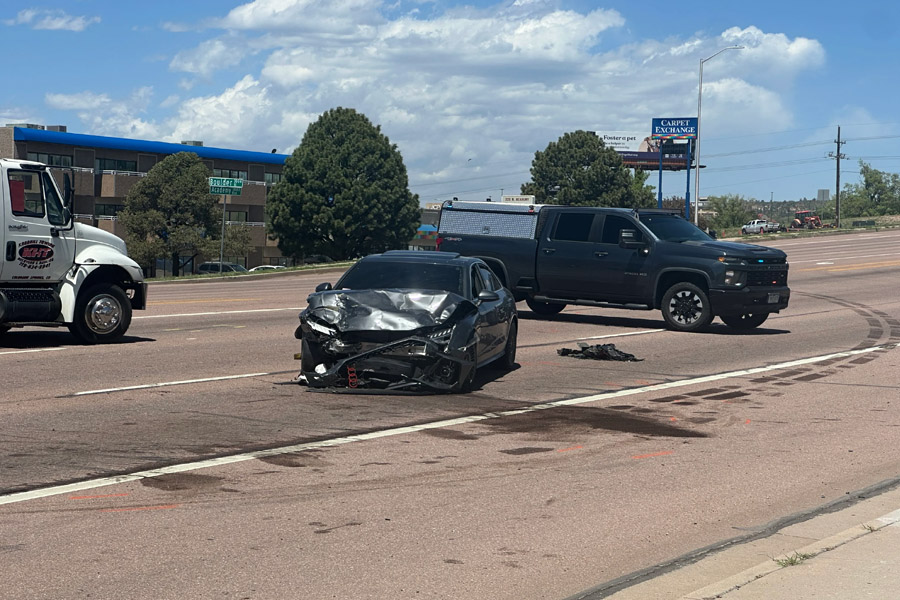
When it is safe, take photographs that show the full setting, not only the closest damage. Start wide, then move closer. Photograph each vehicle from several angles, license plates, visible damage, lane markings, traffic signs, signals, debris, skid marks, road conditions, weather, lighting, and nearby landmarks.
Save dashcam footage promptly, since some devices overwrite recordings. Keep original photos and videos where possible, and back them up to a secure folder. If visible injuries are documented, do so respectfully and privately. Never stand in traffic or enter an unsafe area to take a better picture.
Notify Insurance Companies Carefully
Many policies require prompt notice of a collision. When making an initial report, provide the basics accurately: time, location, vehicles involved, and known damage. Keep a written record of claim numbers, adjuster names, emails, documents sent, and the date of each conversation.
Do not guess about the full extent of injuries or say you are fully recovered before you know how symptoms may develop. You can ask what a call concerns before answering detailed questions, and you should read any document carefully before signing it.
Preserve Records at Home
Once you are home, create one physical folder and one digital folder for crash-related materials. Keep damaged clothing, shoes, helmets, child safety seats, and other personal items until they have been documented. Avoid repairing or discarding damaged property before taking clear photographs.
- Keep police or incident reports.
- Save medical records, invoices, and prescriptions.
- Keep receipts for towing, repairs, rental, and transportation.
- Store photos, videos, dashcam files, and witness details.
- Save insurance letters, emails, and claim notes.
- Keep a short daily log of symptoms, appointments, missed work, and transportation needs.
Take One Step at a Time
The first 24 hours after a Colorado Springs crash can feel overwhelming. Handle the process in order: protect people, seek care, report the crash, document what you can, communicate carefully, and preserve records. Clear notes and timely attention can make the days ahead easier to manage.