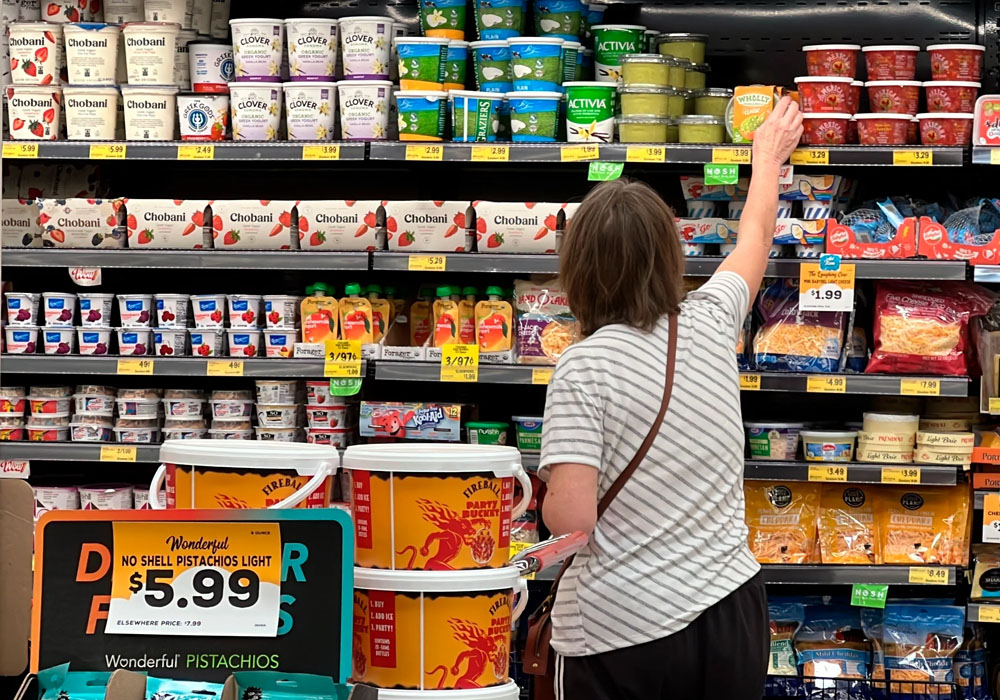
Grocery shopping is one of the few errands almost everyone runs on a predictable, weekly basis, which is exactly why Western Union has leaned into retail partnerships. That regularity is exactly why grocery chains have become such a natural home for money transfer services. Instead of adding a separate trip to a bank or dedicated transfer office, customers can send money to family abroad during a stop they were already making, turning a chore into a quick add-on to an existing routine.
A Familiar Setting for an Important Task
International money transfers can feel intimidating, especially for first-time senders navigating exchange rates and delivery timelines for the first time. Doing that transaction somewhere familiar, with staff nearby who handle these requests regularly, takes some of the pressure off and makes the whole process feel far less like a formal financial transaction.
This is a big part of why the option to send money at Kroger with Western Union has resonated with so many households. It turns an unfamiliar financial task into something closer to a routine errand, which matters a great deal for people who might otherwise put off sending money simply because the process feels intimidating.
Extended Hours Matter
Grocery stores typically stay open far longer than a traditional bank branch, and many operate seven days a week. For anyone working irregular hours or supporting a family member in a different time zone, that flexibility can be the difference between meeting a deadline and missing one, particularly when a recipient needs funds before a specific date.
One Stop for Multiple Needs
Handling a money transfer alongside grocery shopping means one trip covers two needs. For busy households, especially those managing kids’ schedules or multiple jobs, that efficiency isn’t a minor convenience. It’s often the reason a transfer gets sent on time instead of getting pushed to the next day, or even the next week.
Support for Newer Senders
Grocery store staff trained to process transfers can walk first-time senders through the necessary information, from recipient details to the ID requirements for larger transfers. That kind of in-person guidance is valuable for people who aren’t yet comfortable managing the process entirely through an app, and it can build the confidence needed to use digital tools later on.
A Trend That’s Likely to Continue
As grocery chains look for ways to keep customers loyal and increase the number of services offered under one roof, money transfer partnerships are likely to expand rather than disappear. That’s good news for households that rely on sending money regularly, since it means more locations, more consistent hours, and more flexibility over time.
For families balancing work, errands, and financial responsibilities to relatives overseas, having a reliable and accessible way to send money without an extra dedicated trip removes real friction from an already demanding routine.
Building Trust Through Repetition
There’s real value in doing something the same way, in the same place, over and over. Senders who return to the same store each month develop a working familiarity with the process, from the paperwork to the typical wait time, and that familiarity reduces the small anxieties that can come with handling money on behalf of family members. Over time, what once felt like a notable errand becomes just another five-minute stop on the way to the checkout line.
That kind of consistency also benefits the people receiving the money. Knowing a transfer arrives around the same time each month, sent through a process the sender trusts, adds a layer of predictability that matters a great deal for households depending on that support to cover rent, school fees, or everyday living costs.
It’s a small shift in where a task gets done, but the cumulative effect on a household’s routine is real. What used to require careful scheduling now happens almost automatically, tucked into a trip that was already on the calendar.