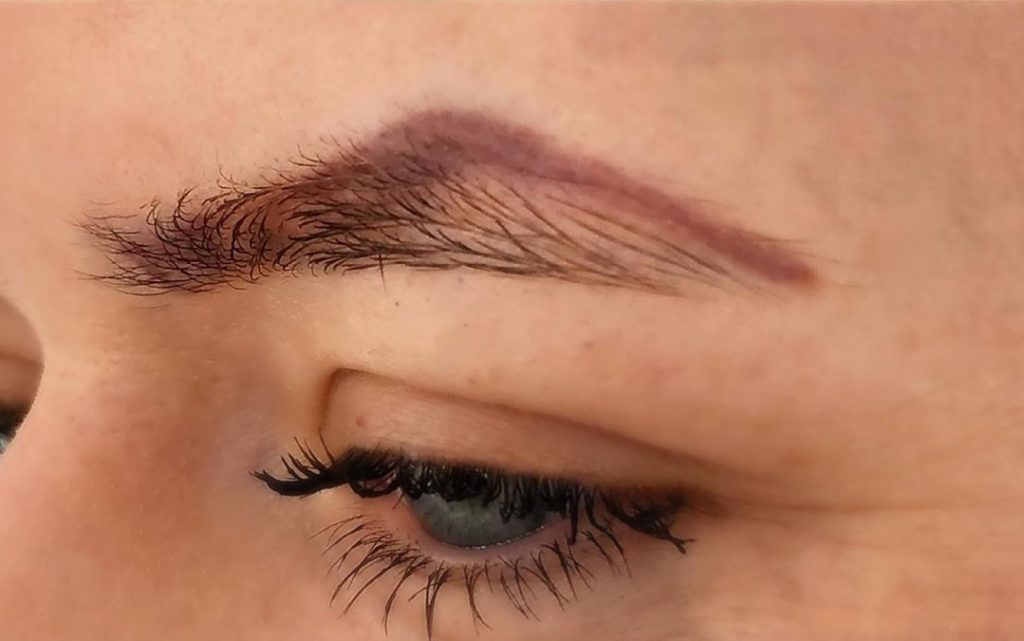
Permanent makeup was supposed to save time — no more filling in brows every morning, no more reapplying lip liner before leaving the house. But pigment fades unevenly, colors shift toward blue or gray, and trends change faster than tattooed ink does. If you’re staring at faded, migrated, or just plain wrong cosmetic tattooing and wondering what removal actually involves, here’s a realistic look at the process from start to finish.
What Counts as a Cosmetic Tattoo
Cosmetic tattooing covers microbladed or powdered brows, lip blush, eyeliner tattoos, and areola repigmentation. These use finer needles and shallower pigment placement than body art, which sounds like it should make removal simpler. In practice, the pigments used in permanent makeup are often metal-based and formulated to resist fading, which can make them stubborn to break down.
Brow pigment in particular tends to contain titanium dioxide, the same compound used in some sunscreens, and it doesn’t always respond to laser the way traditional black or colored tattoo ink does. That’s why technicians often reach for a different tool entirely when treating these areas.
Saline Versus Laser Removal
Two main methods handle cosmetic tattoo removal: saline solution and laser. Saline removal works by opening the skin with a fine needle in a pattern similar to the original tattooing, then applying a hypertonic saline solution that draws pigment out through osmosis. It’s the more common choice for brows and lip work because it’s gentler on delicate facial skin and doesn’t risk the color-shifting reactions that laser can cause on certain metal-based pigments.
Laser removal, by contrast, breaks pigment into smaller particles that the body’s immune system gradually clears away. It tends to work better on darker, carbon-based inks and larger areas, but it carries a real risk of turning some cosmetic pigments an unexpected shade — brow ink can sometimes go orange or reddish under laser rather than fading cleanly. A skilled technician will assess the pigment color and depth before recommending one method over the other.
What the First Few Sessions Feel Like
Expect a topical numbing cream applied 20 to 30 minutes before either procedure. Saline removal involves a sensation similar to the original tattoo appointment — a scratching, buzzing feeling along the treated lines. Laser sessions feel more like quick, hot snaps, often compared to a rubber band flicking against the skin.
Sessions themselves are short, usually 15 to 45 minutes depending on the size of the area. Redness, swelling, and pinpoint bleeding are normal immediately afterward, and a scab typically forms within a day or two. That scab is doing the actual work of lifting pigment out, so picking at it undoes progress and can cause scarring.
Healing and Aftercare Between Sessions
Aftercare instructions usually include keeping the area dry for the first 24 to 48 hours, applying a thin layer of recommended ointment, and avoiding makeup, sun exposure, and sweat-heavy workouts for about a week. Scabbing generally resolves in 7 to 10 days, though full healing underneath can take closer to six weeks.
Sessions are spaced 6 to 8 weeks apart to give skin time to recover and to let the body continue clearing pigment between visits. Rushing this timeline increases the risk of scarring and doesn’t actually speed up the removal process, since the skin needs that window to regenerate.
How Many Sessions You’ll Likely Need
Most cosmetic tattoos require three to eight sessions to fade significantly, though complete removal isn’t always guaranteed. Lighter, more recent pigment tends to lift faster than tattoos that are years old or have multiple layers built up over time. Some clients stop once the pigment has faded enough for a fresh cosmetic tattoo to be applied cleanly, rather than pursuing full removal.
Cost varies by provider and region but generally runs $150 to $400 per session. Given that several sessions are usually needed, budgeting for the full course upfront prevents surprises partway through treatment.
Finding a Qualified Provider
Not every tattoo removal studio has specific training in cosmetic pigment, which behaves differently from body ink. Ask directly about experience with brow and lip tattoo removal, and ask to see before-and-after photos of similar pigment colors and skin tones. A provider who takes time to explain which method suits your specific pigment, rather than defaulting to whatever equipment they happen to own, is usually a good sign.
For anyone researching the best tattoo removal in St. Louis, local med spas and dermatology clinics that specialize specifically in cosmetic pigment correction tend to deliver more predictable, even fading than general tattoo removal shops. Checking reviews that mention brow or lip work specifically, rather than body tattoos, gives a clearer picture of what to expect.
The Realistic Timeline
From first consultation to final faded result, plan on four to twelve months depending on how many sessions the pigment requires. Patience matters here more than in almost any other cosmetic procedure, since forcing extra sessions too close together risks permanent texture damage. Going in with a clear sense of the process — saline or laser, several spaced-out sessions, real healing time between each one — makes the whole experience far less frustrating than expecting a quick fix.