Osaka Makes Business Travel Feel Surprisingly Human
Corporate gatherings frequently have odd illnesses. They are filled with slides, enclosed in nondescript motel walls, and served with regretful coffee. The Osaka cure is welcome. This city is uncommon in supporting serious business goals while making people alert, interested, and grateful they came.
That matters more than planners think. A workplace retreat or leadership summit goes beyond name badges and panels. Teams reunite, partnerships strengthen, and ideas shine or fail in this transient world. Osaka enhances those times. It combines efficiency with warmth, urban vitality with ease, and organization with enough fun mayhem to keep everyone attentive.
Corporate meetings here may be refined without stiffness. Strategy sessions may be followed by a great supper without spending half the day in traffic or staring at train maps like treasure hunters. It appears Osaka cooperates. It advances the agenda and rewards everyone when the laptops shut.
Picking the Right District Changes Everything
Where should everyone gather? This simple issue frequently determines the success of a corporate function. A place might seem beautiful in images but be logistically nightmare. Long transfers, complicated routes, and secluded areas silently deplete the schedule.
Choosing a well-connected area in Osaka prevents several issues. Venues with good rail access and walkability allow people arrive with respect. No one wants the keynote speaker to arrive sweaty, contrite, and with three travel receipts.
A smart location does more than reduce commute times. It creates rhythm. Guests can move quickly between hotels, meeting spaces, restaurants, and evening activities. That means more time for conversation, collaboration, and those accidental little hallway moments where the best ideas often appear.
Convenience also helps international guests relax faster. When people can understand how to get around, they become more confident, more punctual, and far less likely to text the group chat with messages that read like distress signals.
Why Osaka Fits Global Teams So Well
Some cities are impressive from a distance but exhausting up close. Osaka tends to do the opposite. It may not always shout the loudest, but it wins people over quickly. For multinational teams, this is a powerful advantage.
The city feels organized without being cold. It is modern without becoming sterile. Visitors can sense a deep respect for hospitality, timing, and quality. For corporate planners, those traits are not decorative. They are practical gifts wrapped in urban form.
Many organizations can benefit from Osaka events. Startups may do innovation workshops sans corporate glitz. Large companies may provide sophisticated conferences that please executives who assess everything from Wi Fi speed to water glass shape. Hybrid teams can arrange in a distinctive area worth the journey.
Osaka also has a social character that helps strangers become less strange. It is lively, approachable, and famous for food, humor, and easy conversation. That makes networking feel less like a ceremonial burden and more like something people might actually enjoy.
Transit in Osaka Is a Secret Weapon for Event Planners
Transportation is not the glamorous part of event planning, but it can make or break the entire experience. A beautiful agenda collapses quickly if guests cannot get from the airport to the venue without performing a heroic feat of patience.
Osaka sparkles due to graceful movement. The city’s major transit links allow guests arrive quickly and easily. Global events where attendees arrive at different times with luggage, jet lag, and a critical need for clear signage benefit from this.
Reliable rail options mean planners can build tighter, smarter schedules. Airport arrivals do not need to consume half a day. Offsite dinners become easier to organize. Small group excursions become realistic instead of theoretical fantasies listed in a planning document and quietly abandoned.
This ease of movement also changes the emotional tone of the trip. When participants feel that the city is navigable, they become more adventurous. They step out after sessions. They explore local neighborhoods. They return the next morning with stories, not stress headaches.
Designing an Event That People Remember for the Right Reasons
A memorable corporate event is not simply a meeting with better snacks. It is a carefully shaped experience. Osaka makes that easier because the city offers planners rich material to work with.
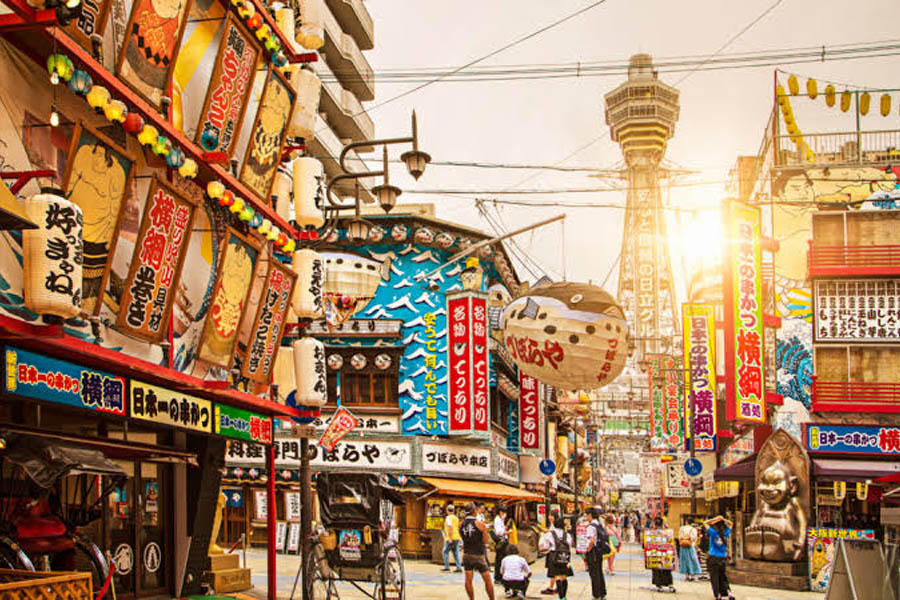
Prioritize balance. People require concentrated work and breathing room. A full agenda may seem productive, but it typically leaves attendees groggy and troubled. Planners can include natural transitions in Osaka. Workshops in the morning might lead to local lunch. An evening walk through a vibrant entertainment district with activity, scents, and enough neon to wake the ancestors can follow strategy discussions.
Fewer corporations prioritize food than they should. In Osaka, meals are more than fuel. They may anchor the event culturally. Shared dining helps teams relax and converse more naturally. That matters when building trust, alignment, or collaboration across departments that use clipped emails and calendar invites.
Atmosphere also matters. People remember how an event felt. Was it tense, generic, over scripted? Or did it have rhythm, charm, and a sense of place? Osaka helps planners avoid the bland corporate fog that settles over too many gatherings. The city has character. Use it.
Ways to Add Local Flavor Without Turning the Trip Into Theater
Cultural integration works best when it feels natural. Guests do not need a cartoon version of local life. They need authentic opportunities to experience the city in manageable, enjoyable ways.
That may mean finding locations near lively areas where people can wander after hours. It may involve preparing a localized group supper instead of a global cuisine that might be provided in any airport hotel. Free time to explore communities at their own speed may be needed.
Small touches go a long way. Welcome materials can reflect the spirit of the city. Team activities can include local craftsmanship, culinary experiences, or neighborhood exploration. Even the pacing of the program can be adjusted to encourage curiosity rather than confinement.
The trick is to avoid overproducing everything. If every moment feels orchestrated, guests may begin to suspect they are trapped inside a cheerful spreadsheet. Osaka is best enjoyed with some room to wander, notice, and laugh.
Bleisure Is No Longer a Side Note
Modern business travelers increasingly want more than a fast in and out trip. They value events that respect their time while also recognizing their interest in personal experience. Osaka is ideal for this shift because it supports both work and leisure without forcing one to elbow the other aside.
Attendees who extend their stay can explore shopping districts, food alleys, waterfront areas, and cultural landmarks with minimal friction. That extra flexibility can improve morale before the event even begins. A trip feels less like an obligation and more like an opportunity.
Companies benefit. Employees engage more when travel enriches rather than drains. They arrive happier, participate more, and bring greater memories home. An event well-designed becomes a business investment, morale booster, and narrative factory.
What Smart Organizers Prioritize Before Arrival
Successful events in Osaka usually share a few habits. Organizers communicate clearly before guests board the plane. They provide simple travel instructions, realistic schedules, and practical notes about dress, timing, and neighborhood navigation.
Attention spans are respected. Not every session has be amazing. Not every hour needs a mic. Smart planners know when to tighten and relax the agenda. They allow for casual communication since unscripted conversations are frequently more valuable than marketed files.
Designing for different attendees is another good idea. Some visitors desire order. Some crave freedom. Some want networking from breakfast on. Others require 10 calm minutes and a working coffee to socialize. A well-planned Osaka itinerary can fit them all.
FAQ
Why is Osaka a strong choice for a corporate event?
Osaka combines business friendly infrastructure with a lively city atmosphere that helps events feel productive and enjoyable at the same time. It is accessible, energetic, and well suited to both formal meetings and relaxed networking.
What should planners look for when choosing a venue area?
They should prioritize districts with excellent transit access, nearby dining, walkability, and easy connections to hotels and airports. A convenient location reduces stress and keeps the schedule running smoothly.
How can a company make the event feel less generic?
Use the city itself as part of the experience. Incorporate local food, neighborhood exploration, and thoughtfully chosen group activities. Even small cultural details can make the event more vivid and less forgettable.
Is Osaka suitable for international attendees?
Yes. It works well for global teams because it offers organized transportation, strong hospitality standards, and an environment that feels welcoming rather than intimidating. Visitors can settle in quickly and focus on the purpose of the trip.
Should a corporate itinerary include free time?
Absolutely. Free time allows attendees to recharge, explore, and enjoy the city in a personal way. That often improves overall satisfaction and can make the business portions of the event more effective too.