Nobody plans on getting pickpocketed. It happens fast, usually in a crowd, and you barely feel it. Train platforms, festivals, tourist strips, these are prime spots for opportunists who work in seconds, not minutes.
Shopping for the best anti-theft backpack online means knowing which features actually stop theft and which are just marketing words on a product page. Here is what real protection looks like.
What makes a backpack actually anti-theft?
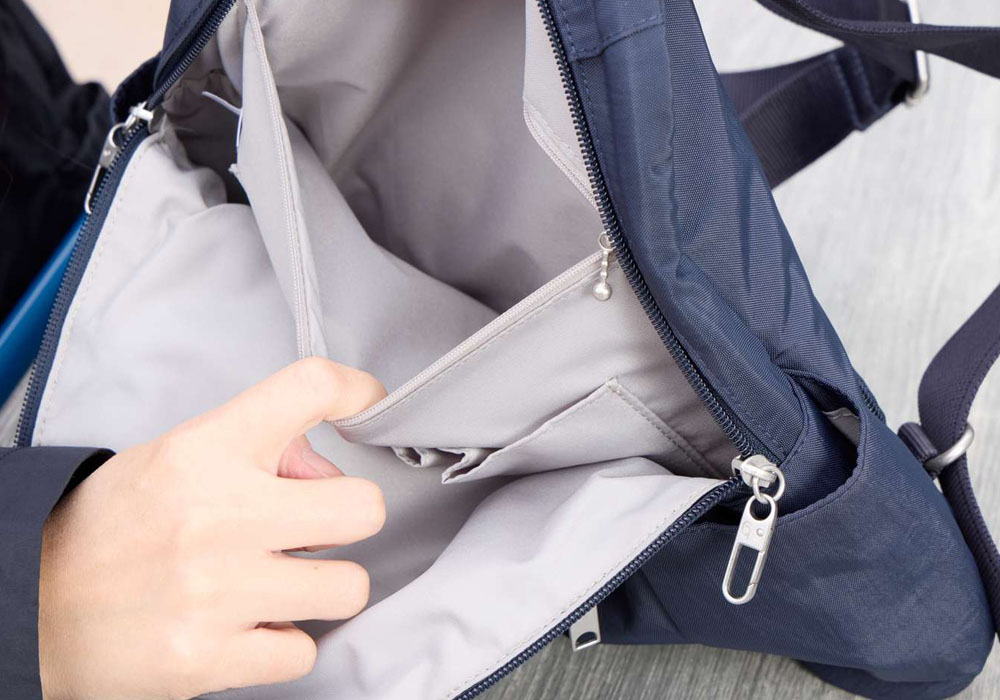
Lockable zippers make a backpack anti-theft, not just a label on the box. Real anti-theft bags use zipper pulls that clip together or hide behind a flap, so a hand cannot slide in without you noticing. Slash-resistant fabric, usually a tight weave with wire mesh inside, stops blade attacks on the bag itself. Hidden back-panel pockets, positioned against your spine, keep your passport or wallet somewhere a stranger simply cannot reach while it is on your back.
How common is theft on public transport, really?
Theft from the person is a real and ongoing issue on crowded transit systems worldwide. Reports consistently point to peak hour trains, trams, and tourist-heavy transport hubs as hotspots for pickpocketing. Bags left unzipped, worn loosely, or placed under a seat out of sight are the most common targets. A tightly secured bag worn on the front of the body in a crowd removes most of the easy opportunity a pickpocket relies on.
Which anti-theft features actually work in real crowds?
Cut-resistant material stops the fastest form of theft: slashing a bag open from behind. Look for fabric rated to resist blade cuts, often listed as slash-proof or cut-resistant nylon. Combination or TSA-approved locks on main compartments slow down anyone trying to force entry. RFID-blocking pockets stop wireless card skimming, which is a separate but growing risk for anyone carrying tap-to-pay cards. Together these features turn a 10 second theft attempt into one that takes too long to bother finishing.
Core anti-theft features worth checking before you buy:
| Feature | What It Stops | Where to Look |
| Slash-resistant fabric | Blade cuts to the bag | Main panel and base |
| Hidden back pocket | Reach-in theft while worn | Panel touching your spine |
| Lockable zippers | Zip-open theft in crowds | Main and front compartments |
| RFID lining | Wireless card skimming | Card and passport pockets |
Where should you carry an anti-theft backpack for the best protection?
Wear it on your front, not your back, in dense crowds like train platforms or markets. This single habit removes almost every advantage a pickpocket has, since they need access to a bag they cannot see you watching. On quieter commutes, wearing it normally on your back is fine as long as zippers are locked or clipped shut. Keep the bag close to your body rather than resting on the floor or a chair beside you, since floor-level bags are grabbed and gone before you look up.
Is a more expensive anti-theft backpack worth the extra cost?
Yes, because cheap zippers and thin fabric defeat the entire purpose of an anti-theft design. A bag priced too low usually skips the slash-resistant lining or uses a standard zipper dressed up with anti-theft branding. Genuine anti-theft backpacks typically sit in a higher price bracket because the materials and hardware cost more to produce. Paying for real protection once beats replacing a stolen phone, wallet, or passport later.