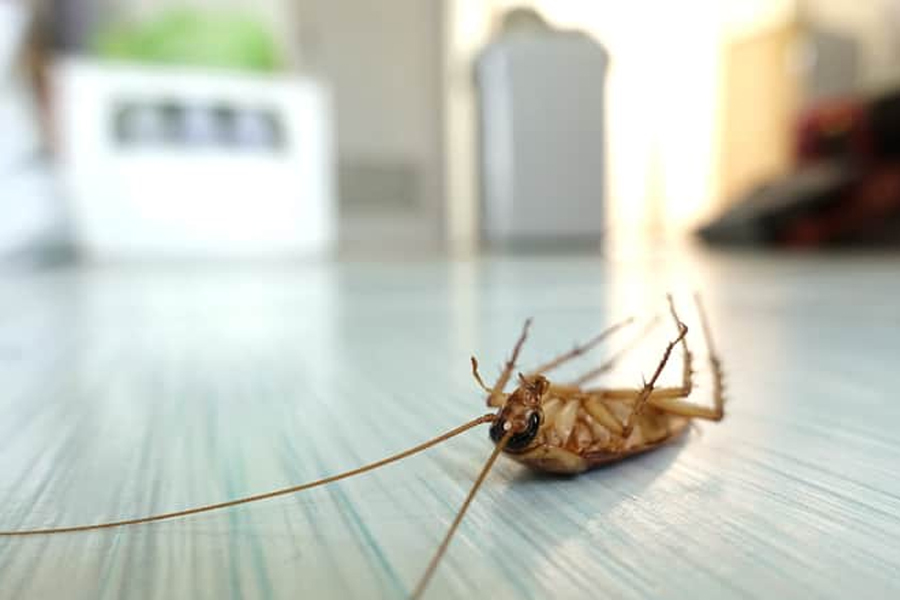
The ugly truth about waiting for instant results
Roux makes people feel evaluated in their kitchens. You set out bait, wipe the countertops, and look at the baseboards like a crime drama investigator, yet one of those tiny fugitives dashes across the floor at 11:43 p.m. Naturally, you think therapy failed. Slow down.
Roach removal seldom happens overnight. More like driving a clandestine, resistant underground metropolis to crumble from within. Roaches can die fast. Others hide like little rent-free squatters in appliance gaps, wall voids, and moist corners. Initially, you may witness greater activity, which feels nasty, theatrical, and unjust, but may indicate that the treatment is working, shares American Heritage Properties.
The timing depends on the species, how deeply they have established in, and if your therapy is reaching their food, drink, and breeding sites. Roach control goes beyond poisoning. It involves cutting off shelter, food, water, and simple transit routes to destroy the operation.
Why some roaches disappear fast and others stage a full rebellion
Not all roaches behave the same way. Some are indoor specialists, practically born to haunt apartment kitchens. Others are outdoor drifters that only show up when weather, moisture, or convenience invites them inside.
German bugs scare professionals. Warmth, wetness, crumbs, oil, cardboard, and appliance cavities are their favorites. They reproduce fast and want steady food and water. So you’re not pursuing one bug. You’re destroying a small, efficient society. Because the population is in small sheltered places, these infestations take the longest to exterminate.
Larger species like American and Oriental roaches like outdoor environments, sewers, basements, crawl spaces, mulch beds, and wet structural gaps. When these species invade a home, it may be more about recurrent outside incursion than a thriving colony. Because tackling the problem involves closing the door, not battling a complete maternity ward behind the toaster, the timetable may be shorter.
Then there are occasional invaders that wander in and promptly regret their choices. These may die off indoors quickly if conditions are too dry and inhospitable. In that scenario, what feels like an infestation may really be a steady stream of visitors from nearby outdoor habitat.
What the first week really looks like
The first few days after treatment are emotionally chaotic. You want silence. The roaches offer interpretive dance.
Bait, especially in a true infestation, typically makes the early stage worse. Bait-eating roaches may arrive in unusual areas, move slowly, or be active in daylight. This is not because they called in bunker reinforcements. It’s frequently because poisoned roaches lose coordination and die outside.
This step requires patience. As does constraint. Many panic, grab a spray, and spray every bug they see. It can ruin the procedure. Because roaches avoid treated surfaces, they may avoid colony-wide bait. Seeking one problem and accidently solving another is a common human behavior.
If the therapy works, you should see significant changes after one week. Fewer roaches. Increasing deaths in predictable places. Nighttime lights reduce franticness. Monitoring using sticky traps should reduce trap numbers. Bugs may remain, but the party should appear less crowded.
Why bait works slowly but often wins
Bait is not a dramatic method. It does not deliver the satisfying movie scene where everything drops instantly and the villain explodes. Instead, it works like quiet sabotage.
The bait-eating roach creeps back into hiding and dies. Other roaches may feed on its remains or droppings and get poisoned as well. Bait can outperform surface sprays for interior infestations due of this chain reaction. The poison reaches areas your hand, sponge, and righteous rage cannot.
However, bait only works when roaches prefer it over human neglect. Grease on the stove, open snack bags, overnight pet food, leaky faucet, or odd sink puddles might hinder the procedure. Why use a poisonous gel when the house has pizza dust and moisture-seasoned crumbs?
The slower pace of bait does not mean it is weak. It often means it is reaching deep into hidden nesting areas. If the setup is done well and the environment is cleaned up, bait can shrink a population steadily and thoroughly.
The conditions that make roaches linger like terrible houseguests
Roaches are survival experts. They are not impressed by half measures.
Food access is a major reason treatment drags on. Tiny scraps matter. A few grains of rice under the microwave might as well be a banquet hall. A greasy film on the stove is not invisible to them. It is dinner with ambiance.
Water matters too. Moisture helps roaches remain without food longer than expected. People underestimate the time a leak beneath the sink, moisture near pipes, damp sponges, and pet dishes left overnight might take. Guess which offer wins if your bait says “please eat this” and the leaking pipe reads “free bar service.”
Clutter also helps them cheat death. Stacks of paper bags, cardboard, unused drawers stuffed with junk, and crowded cabinets give them highways, hiding spots, and nursery space. A cluttered roach environment is like handing them camouflage and a map.
Ignored threats include adjacent infestations. Apartments and shared walls may make your unit the tidy, disciplined battleground while roaches march in from next door like they missed the message. Progress may stall not because your treatment is worthless, but because the supply channel is open.
When a roach problem is small and when it is very much not small
Rare midnight sightings indicate a light problem. You may see a roach in the kitchen at night and then nothing for days. That’s not appealing, but it signals a smaller population or occasional incursion. These patients react faster to rapid cleanliness and treatment.
A moderate problem has more confidence. Roaches appear regularly, droppings become easier to find, and daytime sightings start creeping in. At this stage, the infestation is no longer a rumor. It has infrastructure.
Heavy infestations appear to rent. When cabinets open, roaches scatter. Hidden corners have egg casings. Odors rise. Overcrowding forces daytime activities and makes it prevalent. Simple consumer activities may lower numbers without fixing the problem. This kind of infestation generally has vast concealed harborages and requires numerous treatments.
Signs that your treatment is actually working
People often measure progress emotionally, which is understandable and not very accurate. A better approach is to look for patterns.
A rise of dying roaches followed by a slow reduction is a good indicator. Under the sink, behind the stove, and along cabinet seams are less busy. Sticky traps transform your suffering into data, making them valuable. Even if the rare survivor runs down the corridor, trap counts are decreasing.
A fading odor is another clue in more established infestations. Roach populations produce a stale, oily, musty smell that can cling to enclosed spaces. When that smell lessens, it often means the population is shrinking.
Fresh droppings matter too. If you clean thoroughly and then keep finding new specks in the same places every day, active harborages remain nearby. If the surfaces stay cleaner for longer, the roaches are losing ground.
When to stop hoping and change tactics
Patience is useful. Blind optimism is not.
If bait is applied correctly, food is sealed, moisture is reduced, and activity is monitored for weeks without a significant decline, the setup has to alter. That may indicate faulty bait placement, species misidentification, missing breeding zones, or reinfestation from outside or nearby units.
It might also signify the infection is too advanced for casual consumers. Problems may require correction in wall voids, appliance interiors, utility penetrations, crawl spaces, or shared structural regions. Roaches are cunning but not magical. Something in the ecosystem is functioning well for them if they survive.
FAQ
Why do I still see roaches after putting down bait?
Seeing roaches after baiting is common, especially during the first several days. Poisoned roaches often leave hiding spots and die in more visible places. What matters is whether activity starts declining over the following week, not whether every roach disappears immediately.
Does killing the roaches I see mean the infestation is almost over?
Not necessarily. Visible roaches are usually only a small fraction of the population. You can kill the bold idiots on patrol and still have a well hidden nest continuing business as usual behind appliances or inside wall gaps.
Why does my kitchen look worse right after treatment?
A working treatment can disrupt normal hiding behavior. Roaches may wander more, appear during daylight, or die in exposed areas. It feels like the problem exploded, but in many cases the colony is being disturbed and weakened.
Can I use spray and bait at the same time?
You can, but it often backfires when done carelessly. Strong repellent sprays may push roaches away from the bait, which slows or prevents them from feeding on it. For indoor colony control, random spray happy behavior is often less helpful than people hope.
How do I know if roaches are coming from outside?
Sightings near doors, garages, sewers, basements, or ground-level entrance points may indicate outside incursion. While German roaches establish dense indoor kitchen colonies, larger roach species are more likely to migrate in from moist outside locations, sewers, mulch, or structural gaps.
What is the biggest mistake that slows everything down?
Leaving food and water available is a top contender for worst supporting actor in this disaster. Roaches are far less motivated to eat bait when your home is quietly offering snacks, grease, moisture, and shelter every night.