A ute tub is only so big. Once it is full, it is full, and that is where most tradies get stuck on a Monday morning. Long gear like ladders, pipe, and timber steals floor space that boxed tools actually need.
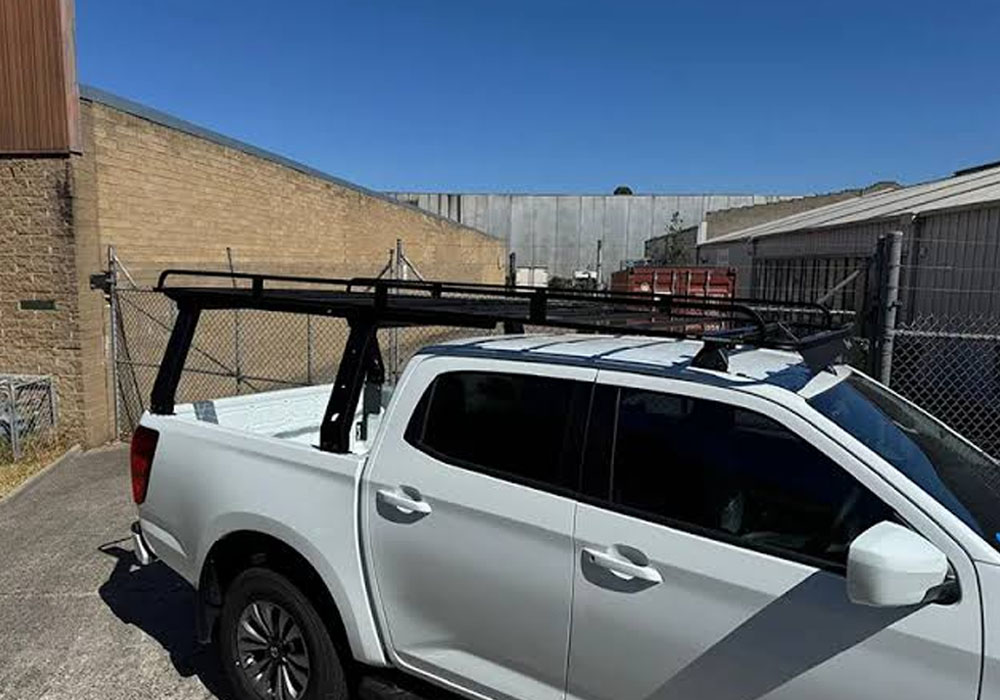
A ute tub ladder rack fixes that by adding a second level above the tray, not beside it. This article walks through how it works, what it holds, and where people get it wrong.
The idea sounds simple. Bolt a frame above the tub, and now your ladder rides up top instead of across the floor. But the details matter more than the concept. A rack is only as good as its load rating, its leg spacing, and how well it survives corrugated roads without rattling itself loose. Cheap racks flex. Good ones don’t.
Why the Tub Floor Was Never Enough
Think about what happens without a rack. A ladder goes in diagonally because it’s too long to sit flat. Now half your tub floor is gone before you’ve loaded a single toolbox. Pipes roll. Sheets of ply slide into the cab guard every time you brake. None of this is a design flaw in the ute. It’s just physics, because a tray built for boxes was never meant to hold ten-foot lengths of anything.
Splitting the load into two zones solves it. Heavy, compact gear like compressors and tool cases stay low and centred, where the ute’s suspension wants the weight anyway. Long, light stuff goes up top where it can’t compete for floor room. That’s the whole trick, and it works.
What Actually Holds the Weight
Load ratings vary a lot between brands, and this is where buyers get burned. Aluminium racks typically top out around 100 to 150 kg of dynamic load, the kind that bounces and shifts while you’re driving. Steel-tubed racks built for daily trade work often reach 200 kg or more. One Australian rack maker uses 44mm outside-diameter steel tube that tests roughly 38 to 40 percent stronger than the 38mm tube most competitors use, with about 60 percent more stiffness. That number isn’t just marketing. Stiffness is what stops a loaded ladder from bouncing itself off the mounts on a corrugated dirt road.
Here’s a rough comparison of what different rack builds tend to offer:
| Rack Type | Typical Dynamic Load | Best For |
|---|---|---|
| Basic aluminium universal rack | 100 kg | Light trade use, occasional ladders |
| Mid-range aluminium, adjustable legs | 150 kg | Daily tradie use, mixed gear |
| Heavy steel tube (44mm OD) | 200-250 kg+ | Fleet vehicles, constant heavy loads |
| Roof-mounted platform combo | 150-200 kg | Touring setups, rooftop tents |
Payload math still applies on top of all this. Australian ute payload ratings usually sit between 800 and 1,200 kg total, and that number includes the rack itself, everything strapped to it, and everything in the tub. Overloading isn’t just illegal. It changes how the vehicle handles, especially in a crosswind with a long ladder catching air like a sail.
Fitting Without Drilling Through Your Warranty
Some racks bolt straight into the tub’s existing tie-down points. Others need drilling, which voids certain vehicle warranties if done wrong. Universal designs that adjust in width tend to suit more tub shapes, from a Hilux to a Ranger to a Triton, without custom fabrication. A few premium systems skip the tub entirely and clamp onto a roll-top cover’s side channels instead, which keeps the tub floor completely open below.
Good rack setups usually include a few things worth checking before you buy:
- Adjustable leg height, so the rack clears a canopy or matches cab height
- Rubber-lined ladder stops that stop rolling and forward slide under braking
- Mounting brackets rated for the rack’s full stated load, not just the tube itself
- A finish that resists corrosion, since site dust and road salt both eat cheap coatings fast
I’d skip any rack that doesn’t publish an actual kilogram rating. If the listing just says “heavy duty” with no number, that’s a rack built for marketing, not your ute.