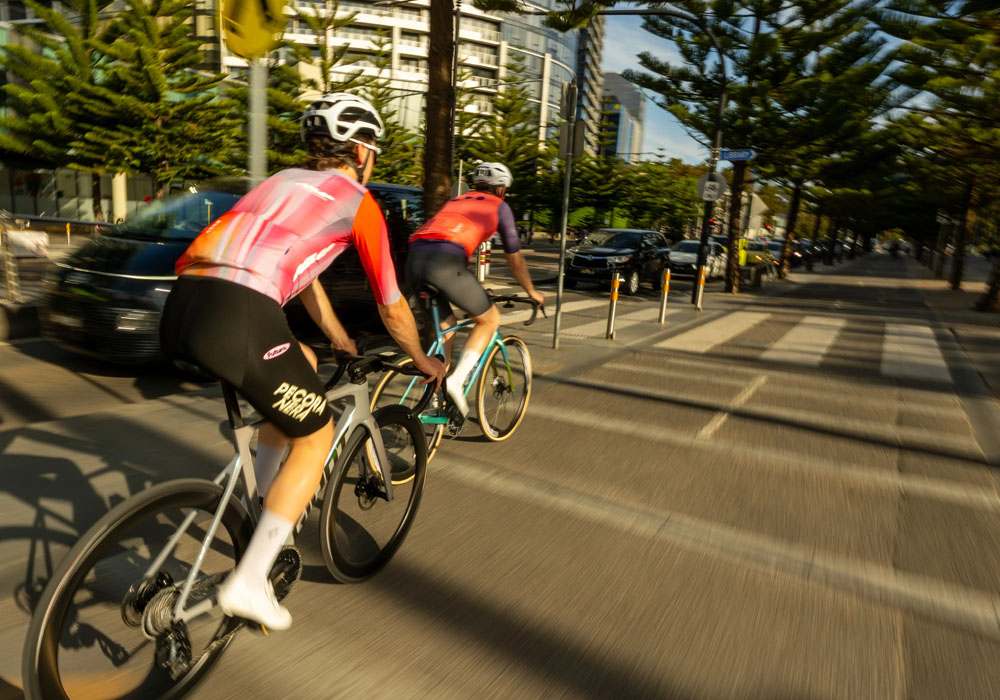
Beach Road on a Saturday morning looks like a race even when it isn’t one. Bunches of riders, tight formations, everyone in matching kit. It’s intimidating for a beginner watching from the footpath, and it gives a slightly wrong impression of what starting road cycling actually requires.
Getting into road bikes in Melbourne doesn’t mean buying a $5000 carbon frame or joining a fast bunch on day one. It means understanding frame material, gearing, and fit well enough to buy something that suits actual riding plans, not the Instagram version of the sport, and that distinction saves beginners a lot of wasted money.
Aluminium, Carbon, or Steel: The Real Trade-offs
Aluminium frames dominate the entry to mid-range market because they’re light, stiff, and cheap to manufacture at scale. They transmit road vibration more directly though, which some riders feel as harshness on longer rides over rough chip-seal roads, common on Melbourne’s outer routes.
Carbon fibre frames cost more but absorb vibration better and can be shaped for aerodynamics in ways metal can’t match. Steel, less common now, offers a smoother ride and genuine long-term durability, appealing to riders planning to keep one bike for a decade rather than upgrading every few years. None of these materials is objectively best. Each is a trade-off between cost, comfort, weight, and how long the bike needs to last.
Gearing for Melbourne’s Actual Terrain
Melbourne isn’t flat everywhere, and new riders sometimes underestimate this until they hit the climb up to Sky High Mount Dandenong or the rollers around the Yarra Valley. A compact chainset, paired with a wide range cassette, makes climbing manageable without needing to be a fitness fanatic. Standard racing gearing, built for flatter European road racing, can leave a casual Melbourne rider grinding painfully on hills that a compact setup would handle comfortably.
- Compact chainsets (typically 50/34 tooth) suit riders tackling hilly outer suburbs regularly.
- Wide range cassettes reduce strain on knees during longer or steeper climbs.
- Disc brakes outperform rim brakes in wet conditions, relevant given Melbourne’s unpredictable weather.
- Tyre width between 25mm and 28mm balances speed with comfort on rougher road surfaces.
- A proper bike fit session prevents knee and lower back pain that shows up weeks into regular riding.
| Rider Goal | Suggested Setup | Local Route Example |
| Fitness commuting | Aluminium frame, disc brakes, mudguard mounts | Capital City Trail |
| Weekend social rides | Aluminium or entry carbon, compact gearing | Beach Road, St Kilda to Mordialloc |
| Hill training | Carbon frame, wide range cassette | Sky High Mount Dandenong climb |
| Long distance touring | Steel or endurance carbon frame | Great Ocean Road segments |
Fit Matters More Than the Groupset
A rider hunched too far forward on an aggressive race frame will feel it in their neck and lower back within an hour, regardless of how expensive the components are. Bike shops offering proper fitting sessions measure saddle height, reach to the handlebars, and cleat position if the rider uses clipless pedals. Skipping this step is the single most common mistake new road cyclists make, and it’s an easy one to avoid.
Road cycling participation across Australia has grown steadily over the past decade, and Victoria’s network of dedicated bike paths and quieter arterial roads has helped Melbourne become one of the more accessible cities for new road riders compared with cities lacking similar infrastructure. Group rides through local cycling clubs are a genuinely good way to learn bunch etiquette, hand signals, and basic road positioning, all things that don’t come naturally on a first solo ride.
Starting road cycling in Melbourne really comes down to picking a frame and gearing that suits the actual hills and distances a rider plans to cover, getting properly fitted, and building distance gradually rather than trying to keep pace with a Beach Road bunch on week one.