What you can’t see inside your plumbing system can cost more than the problem you notice. While a faucet may still work or a drain may still flow, hidden damage can continue to worsen without clear warning signs. Instead of focusing only on visible issues, a plumbing inspection examines key components to uncover developing problems. As the evaluation moves through each part of the system, professionals gather the information needed to recommend the right solution. Knowing the process in advance helps make each step easier to understand.
The Initial System Assessment
Every plumbing inspection begins with a walkthrough of the property to understand the overall condition of the plumbing system before detailed testing starts. During this stage, professionals identify visible concerns, discuss reported plumbing issues, and evaluate accessible components to determine which areas require closer attention. The initial assessment typically includes:
- Property walkthrough: Review the plumbing layout to identify visible concerns that could affect the rest of the inspection.
- Reported plumbing issues: Discuss recurring leaks, slow drains, fluctuating water pressure, or other concerns experienced by the property owner.
- Fixture evaluation: Inspect sinks, toilets, faucets, showers, and other plumbing fixtures for signs of leaks, wear, or improper operation.
- Exposed plumbing review: Examine accessible pipes, fittings, and connections for corrosion, moisture, loose joints, or visible damage.
This initial plumbing inspection provides the information needed to perform a more focused evaluation of the plumbing system.
What a Plumbing Inspection Covers
A comprehensive plumbing inspection examines the major components that keep the plumbing system operating safely and efficiently. In addition to checking visible fixtures, professionals inspect key plumbing connections to identify issues that could affect system performance. The inspection typically covers the following:
- Water supply lines: Inspect pipes for leaks, corrosion, damaged fittings, and signs of reduced water flow that may require attention.
- Drain lines: Check for slow drainage, developing blockages, pipe deterioration, or conditions that could restrict proper wastewater flow.
- Fixtures and shut-off valves: Verify that sinks, toilets, faucets, and shut-off valves operate properly and do not leak or have mechanical problems.
- Water pressure: Measure water pressure to confirm it remains within an appropriate range and does not place unnecessary stress on the plumbing system.
- Water heater and exposed piping: Examine visible plumbing components for corrosion, sediment buildup, leaks, or worn parts that may affect performance.
A detailed plumbing inspection helps identify developing issues before they lead to larger plumbing repairs, observes the H&M Property Management team.
Finding Hidden Plumbing Problems
Not every plumbing problem is visible during everyday use. For this reason, a plumbing inspection includes methods to locate concealed issues that may worsen without obvious warning signs. Professionals carefully inspect areas that commonly hide plumbing problems, including:
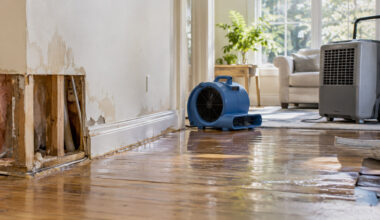
- Hidden leaks: Look for moisture behind walls, under floors, or above ceilings, as water can often leak unnoticed in these areas.
- Pipe damage: Identify cracked, deteriorated, or structural weakness that may lead to future leaks or water-related issues.
- Drain performance issues: Evaluate slow-draining fixtures that may indicate buildup, partial blockages, or developing sewer line concerns.
- Early signs of plumbing failure: Check for water stains, musty odors, or other indicators that suggest hidden plumbing problems.
When necessary, specialized equipment supports the plumbing inspection by confirming concealed issues without unnecessary damage to the property.
Plumbing Inspection Tools and Testing
Some plumbing problems require advanced testing to confirm their exact location and cause. Depending on the condition of the plumbing system, a plumbing inspection may include specialized diagnostic equipment that provides accurate findings. It commonly uses the following methods:
- Pressure testing: Evaluate the condition of water supply lines by identifying pressure loss that may indicate hidden leaks or damaged pipes.
- Moisture detection equipment: Locate hidden moisture behind walls, under flooring, or around plumbing fixtures without removing finished materials.
- Drain camera inspection: Insert a specialized camera into the drain or sewer lines to identify blockages, cracks, root intrusion, or pipe deterioration.
- System performance testing: Verify that plumbing components are functioning properly before recommending repairs or maintenance services.
Using the appropriate tools allows professionals to provide recommendations based on verified inspection results rather than assumptions.
Beyond standard diagnostic checks, routine evaluations help track system performance over time, allowing homeowners to address small issues before major repairs become necessary. Consulting established contractors like All American Heating, Air & Plumbing near Raleigh can help clarify complex diagnostic findings, giving property owners confidence when planning future maintenance or addressing system upgrades.
Integrated home systems often benefit from combined technical evaluations during routine maintenance visits. Working with a qualified HVAC contractor alongside plumbing professionals ensures that shared utility spaces, such as basements and utility closets, remain free of hidden moisture and ventilation issues. This comprehensive approach helps preserve overall property condition and improves long-term operating efficiency across essential household equipment.
Regular system evaluations also make it easier to catch localized environmental stressors, such as mineral buildup or regional climate impacts on water lines. For homeowners in warm desert areas like Henderson, NV, routine checks ensure that high municipal water demand and temperature fluctuations do not cause unnoticed stress on residential pipes over time.
Similar environmental factors can also affect coastal home systems, where salt air and sandy soil accelerate wear on external fixtures and supply lines. Property owners scheduling routine plumbing in Oceanside often use these evaluations to identify minor corrosion and pipe degradation before localized issues turn into major household disruptions.
Understanding the Inspection Results
Once the plumbing inspection is complete, professionals explain their findings so property owners understand the condition of the plumbing system and any recommended next steps. This review helps prioritize repairs while supporting long-term maintenance planning. The discussion generally includes:
- Inspection findings: Explain the condition of pipes, fixtures, water lines, and other plumbing components inspected during the evaluation.
- Priority repairs: Identify issues that require immediate attention.
- Preventive maintenance recommendations: Suggest maintenance practices or future inspections that help reduce the risk of recurring plumbing problems.
- Inspection report: Provide a detailed summary of the findings to support repair planning, budgeting, and future maintenance decisions.
A thorough review of the plumbing inspection results helps you make informed decisions and keep your plumbing system running efficiently.
Protect Your Plumbing Before Problems Grow
A plumbing problem doesn’t have to become an expensive repair before you take action. Instead, a professional inspection gives you a complete picture of your plumbing system and uncovers hidden issues before they become larger problems. As a result, routine inspections help protect your home, reduce unexpected repair costs, and extend the life of your plumbing system. If you’re ready to prevent future plumbing issues, schedule a home plumbing inspection with experienced professionals today and keep your plumbing system working at its best.