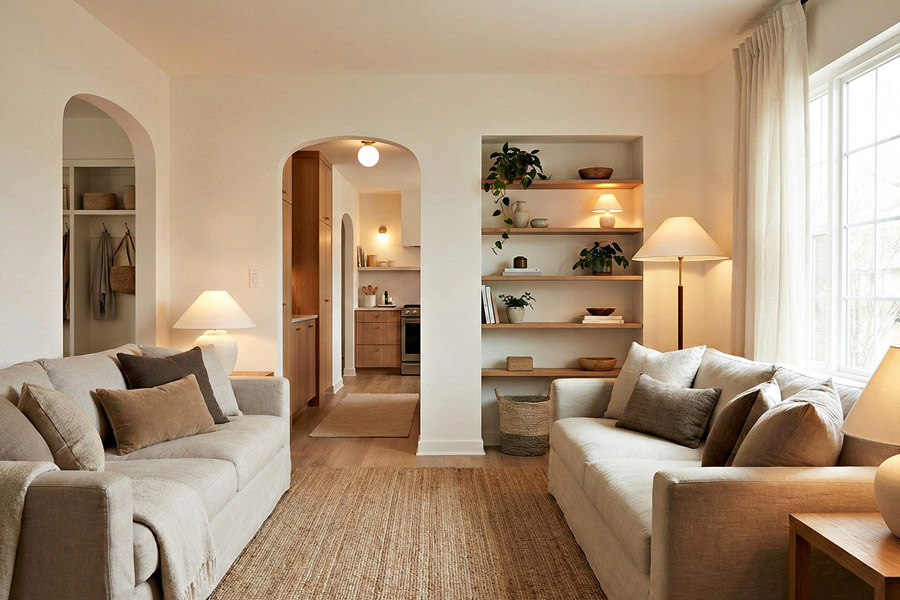
The idea of a cozy home cannot be reduced to a particular decorating style. It is determined by how a space feels, from the softness underfoot to the receptacles for keys, blankets, and other mundane items. Thoughtful, affordable home decor can help create those finishing layers, but the strongest results begin with a plan for how each room needs to function.
In 2026, homeowners will be shifting toward spaces that are relaxed, personal, and practical. Soft neutrals, natural materials, and comfortable furniture can create friendly rooms, while clever storage keeps the space usable long after the beautification is done.
Why Warmth And Function Matter
Although a room built purely for looks might appear glamorous at first, it can soon become exasperating, as there will be no place for a drink, a throw, or simply for comfortable movement. A practical home takes daily experience into account and provides a place for every regularly used item, as well as enough space for freedom of movement.
Warmth does not mean cramming everything into every space. It comes from maintaining some kind of balance: soft textiles and solid woods, soft light and rough walls, and objects on display without any excess.
Start With The Room’s Main Purpose
Before selecting paint, pillows, or accessories, decide what the room must do each day. A living room may need conversation seating and hidden storage. A bedroom needs restful lighting and a clear route around the bed. An entryway needs a place for shoes, bags, mail, and keys.
- Identify the room’s main activity.
- List the items that need to stay nearby.
- Separate what should be displayed from what should be stored away.
- Keep paths clear for doors, drawers, and daily movement.
Build A Simple Color Foundation
To begin creating your color palette, use a neutral base shade such as warm white, soft beige or taupe, muted clay, or mushroom. Then choose one supporting color, such as olive, deep brown, or dusty blue. Since the darker shades work best in smaller items, they may work even as a lamp base, side table, or even a cushion.
The best way to choose which colors will work for you is to try them out in the room before making a final decision. A number of factors can affect how colors look, ranging from natural light throughout the day to the influence of surrounding furnishings and flooring.
Layer Texture Without Creating Visual Noise
Texture is what helps make materials interesting and adds a tactile feel, as well as light and shadow. Recent articles on interior design focused on how using tactile materials can turn a neutral interior into something special without relying too heavily on color or pattern.
Mix Hard And Soft Materials
Mix together smooth and rough textures as well as soft and hard finishes. For instance, you can use linen cushions with a wooden table or combine a woven basket and a ceramic pot. Metal accents can be mixed with upholstered furniture. Not every texture needs to be represented, but the aim is to create a situation where one won’t feel that everything in the room has the same surface or texture.
Use A Three-Layer Approach
- Foundation: Start with larger elements such as a rug, curtains, upholstery, or a substantial piece of wood.
- Middle layer: Add baskets, throws, cushions, table linens, or framed art.
- Fine details: Finish with books, ceramics, greenery, candles, or a few collected objects.
Make Storage Part Of The Design
Not only does it hide the items during storage, but it also minimizes mess. A special basket can be handy to keep toys, pillows, or blankets. A nice cabinet or console can accommodate many things that contribute to visual disorder. Open shelves can be used to keep useful things and collections, and to add some freshness.
If there is not much space in an entryway, you can install a shelf to keep mail or keys, with a basket below the bench for shoes or other items waiting to be taken. If you want your living room to look more organized, use closed storage for hidden remotes and chargers.
Style Shelves And Surfaces With Restraint
A shelf, mantel, console, or coffee table usually needs fewer items than you might expect. Start with one larger anchor object, add a piece with a different height, and include one natural element such as a plant, branch, or stone. Mix two or three materials, then remove one item before deciding the arrangement is finished.
- Use varied heights rather than lining objects up evenly.
- Repeat a color or finish in more than one place.
- Leave some open space so individual objects can stand out.
- Choose items that have a purpose, a memory, or a shape you genuinely enjoy.
Use Lighting To Reveal Texture
A single bright central fixture in a room renders it flat, whereas a good combination of ceiling, table, floor, and wall lamps makes it possible to read, socialize, work, or rest. The use of additional lighting is extremely useful near surfaces made of textiles, wood, plaster, and pictures, so that the end result would still include some highlights and shadows.
Using warm-toned lights is a must in places designed for relaxation, and it is also worth considering dimmers where applicable.
Make Sure To Use Natural Elements Properly
The warmth of materials like wood complements the heavy appearance. Woven materials like rattan, cane, jute, and seagrass have a light texture. Linen and cotton bring softness to the room, while ceramic, stone, terracotta, and metal help to create a contrasting effect. Instead of having the same finish look everywhere, use a limited number of tones to create a feeling of coherence.
Use Space Efficiently In Small Rooms
Bedrooms benefit significantly from fewer things and smaller, more strategically positioned furniture pieces. The nature of furniture can accommodate the user’s movement; floating furniture, rather than adding more things, can help save space. While mirrors help reflect light into the interior, they shouldn’t be placed so that they face the clutter.
What Entry Space Can Be Valuable For
Entryways define the atmosphere of the house and help prevent day-to-day clutter. There has to be a spot for putting keys and letters down. There have to be hooks for bags and coats; a bench or a stool for shoes is necessary. The area is very busy, so you shouldn’t overlook surface durability.
A Practical Weekend Refresh Plan
- Friday evening: Clear clutter from one room and write down what is not working.
- Saturday morning: Rearrange furniture to improve movement and conversation.
- Saturday afternoon: Add or reposition storage for everyday items.
- Saturday evening: Introduce textiles and adjust lighting.
- Sunday: Style one or two surfaces, then edit anything unnecessary.
Common Mistakes To Avoid
- Adding too many small accessories at once.
- Using the same texture across every surface.
- Ignoring scale, proportion, and walking paths.
- Choosing appearance over comfort.
- Leaving everyday items without a place to store.
- Relying only on overhead lighting.
Questions Readers May Have
Can A Neutral Room Still Feel Interesting?
Yes. Vary texture, shape, finish, and lighting to create depth without relying on bright colors.
What Is The Easiest Way To Add Texture?
Start with a throw, rug, woven basket, textured cushions, or a ceramic accent. These changes are simple and easy to adjust over time.
Should Every Room Match?
No. Rooms can have distinct moods while sharing a few colors, materials, or repeated design details.
Conclusion
Creating a comfortable and practical home involves making smart choices rather than sticking to a blueprint. Consider how the rooms will be used, choose an overall color scheme, pay for materials seriously, and find a place for everything. The concept of yoga is balance. It is the combination of the right colors and materials that creates a warm and relaxing atmosphere in your home.