Picking a shed is a five year bet.
Get it right and the trucks flow.
Get it wrong and every pallet quietly costs you more than it should.
Anyone hunting warehouses for rent in Australia has far more choice today than in 2021. JLL put the national industrial vacancy rate at 4.8% in Q2 2026, down from 5.0% the quarter before. CBRE, using its own method, holds the national figure at 3.2% for the first half of 2026 and calls that one of the lowest rates on the planet. Two numbers, one message: space exists, and the best sheds still go quickly.
What Should You Check Before Signing a Warehouse Lease?
Check the things the listing photo never shows you.
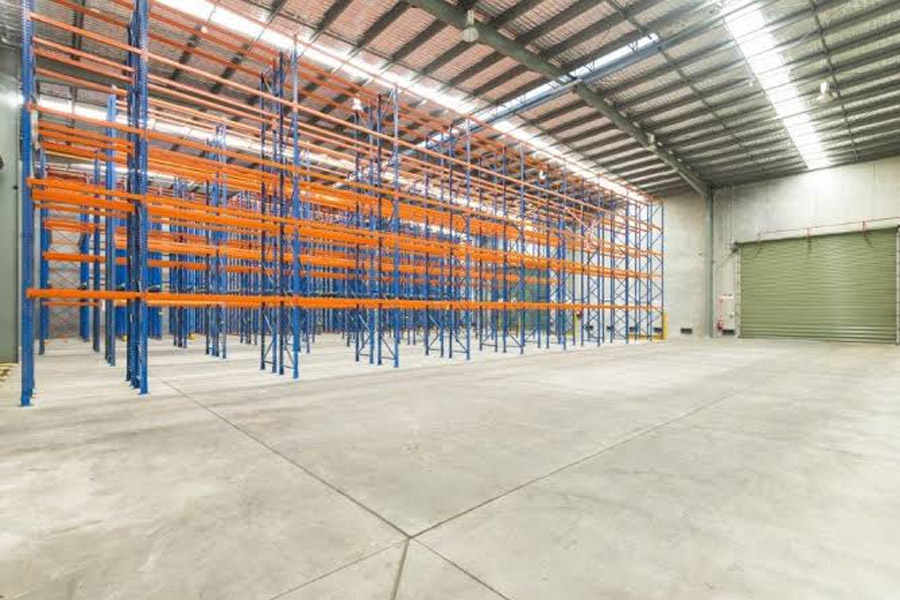
- Internal clearance height, since modern estates run 10m to 13.7m while older sheds sit near 6m
- Floor load rating, because racking legs punch hard into a thin slab
- Truck access, ideally a B-double turning circle with no reversing games
- Outgoings, which range from roughly $20/sqm in outer estates to $120 to $145/sqm in South Sydney
- Incentives, meaning rent free months and fit out cash, not just the headline rate
- Make good clause, which sets what you owe the landlord on the way out
How Much Does a Warehouse Cost to Rent in Australia?
Prime net face rent sits near $220/sqm in Western Sydney and around $155/sqm across Melbourne, on Knight Frank numbers for 2026. Face rent alone is a trap. Incentives in Western Sydney reached a historical high near 22%, with Melbourne close behind at 21.2%. That gap means the effective rent, which is what you truly pay after the free months and the fit out contribution, lands well under the number on the flyer. Brisbane (about 12.4%), Perth (9.6%) and Adelaide (8.9%) offer far leaner incentives, so the advertised rent there is much closer to reality.
Which City Has the Most Space Available?
Sydney, by vacancy rate. Melbourne, by raw floor area.
| Market | Vacancy (JLL, Q2 2026) | Total stock | Prime net face rent |
| Sydney | 5.8% | 23.5 million sqm | about $220/sqm (Western Sydney) |
| Melbourne | 4.9% | 30.6 million sqm | about $155/sqm |
| Brisbane | 4.5% | 14.0 million sqm | about $187/sqm |
| Adelaide | 3.8% | 5.7 million sqm | about $147/sqm |
| Perth | 2.2% | 7.7 million sqm | about $164/sqm |
Why Does Timing Matter So Much Right Now?
Because a wave of 2021 leases is hitting expiry at the same time. JLL notes many occupiers who signed five year terms during the tight 2021 market are now reassessing what they really need, and landlords know it. Demand is firm rather than frantic: national net absorption passed 1.4 million sqm in the first half of 2026, more than double the second half of 2025. Brisbane alone soaked up 308,200 sqm in Q2, helped by population growth, quicker build timeframes and early work tied to the 2032 Olympic and Paralympic Games.
What Makes a Modern Estate Worth the Extra Rent?
Efficiency you can count. Super prime facilities keep outperforming, while spare space sits mostly in older prime and secondary stock. A taller shed stores more per square metre, a wider column grid gives cleaner racking runs, and solar plus LED trims the power bill month after month. Add EV charging, better staff amenities and a shorter run to the freeway, and the extra dollars per square metre usually come back through lower handling and transport costs. Run the sums on total occupancy cost per pallet moved, not on rent alone, and the newer shed often wins.