Airport car rental makes travel around Poland easier because it connects your arrival with the rest of your trip. You can avoid extra transfers, fixed public transport times, and moving luggage from one service to another. Collecting a car at the terminal gives you immediate freedom to visit busy historic cities as well as quiet countryside, national parks, and remote areas that are harder to reach by train or bus.
Polish cities have good tram and rail networks, but many national parks, mountain villages, and coastal areas have fewer public transport links. Booking a reliable Warsaw Chopin car rental or collecting keys at another regional airport turns the terminal into the starting point for your trip. You can avoid crowded airport buses, long queues for city transfers, and extra connections, then begin your planned route soon after collecting your luggage.
Which Polish Airports Offer Car Rental Services?
Poland’s airport network has grown quickly over the last 20 years. The country has 14 international airports with scheduled passenger flights, handling more than 66 million travelers each year. The main airports have several international and local car rental companies, giving visitors a wide choice of vehicles and prices.
These airports are spread across the north, south, east, and west of the country. This makes it possible to plan one-way trips between different regions, collecting and returning a car at major transport points instead of driving back to the first airport.
Warsaw Chopin and Warsaw Modlin Airports
Warsaw Chopin Airport (WAW) is Poland’s main air gateway and handles more than 40% of the country’s passenger air traffic. It is in the southwestern Okęcie district, only a short drive from the city’s ring roads. The airport has many rental companies with long opening hours, and some operate late into the night. Direct links to the S2 and S8 expressways let drivers head east, west, or south without crossing central Warsaw.
Warsaw Modlin Airport (WMI) is about 40 kilometers north of the capital and mainly serves low-cost airlines. Collecting a car there gives travelers a useful starting point for trips to Toruń, Warmia, or the Masurian Lake District. You can head north without first entering Warsaw.
Kraków, Katowice, and Wrocław Airports
Kraków-Balice Airport (KRK) is Poland’s second-busiest airport, with more than 13 million passengers each year. Its rental desks are a useful starting point for trips to the southern mountains, Wieliczka, and the historic areas of Małopolska. The airport is next to the A4 motorway, so drivers can reach the main road quickly.
Katowice Airport (KTW) in Pyrzowice and Wrocław-Copernicus Airport (WRO) in Lower Silesia add two more useful points on the southern route. Katowice gives quick access to the Silesian Beskids. Wrocław is a convenient base for visiting the castles, underground sites, and walking routes of the Sudetes and Karkonosze mountains.
Gdańsk, Poznań, and Łódź Airports
Gdańsk Lech Wałęsa Airport (GDN) is a key airport for northern Poland and handles more than 7 million passengers each year. It is a good collection point for trips along the Baltic coast, through the Kashubian hills, and around the historic ports of the Tricity. The Tricity bypass gives drivers quick access to the main roads.
In western and central Poland, Poznań-Ławica Airport (POZ) and Łódź Władysław Reymont Airport (LCJ) serve people visiting the historic center of the Polish state. Poznań is close to the lakes and rural areas of Wielkopolska. Łódź provides a central base near the country’s main motorway junctions.
Szczecin, Bydgoszcz, and Rzeszów Airports
Regional airports also help travelers reach Poland’s outer areas and quieter nature reserves. Szczecin-Goleniów Airport (SZZ) serves the northwest. It is a useful starting point for trips along the Pomeranian coast or across the border into eastern Germany.
Bydgoszcz Ignacy Jan Paderewski Airport (BZG) serves the Kuyavian-Pomeranian region. Rzeszów-Jasionka Airport (RZE) in the southeast is the main gateway to the Podkarpackie province and the remote paths of the Bieszczady Mountains. Both airports have established rental desks and quick vehicle collection procedures.
Airport Car Rental Compared With Other Ways to Travel Around Poland
The best way to travel depends on your destinations, group size, and the amount of luggage you have. Poland has an affordable public transport system, especially for trips between the central stations of major cities.
Once a route moves outside city centers, a private car often becomes more useful. Comparing rental cars with other options can help you choose the right method for your trip.
| Travel Option | Flexibility | Luggage Handling | Access to Rural Areas | Best For |
| Airport Car Rental | Highest; choose your own route and timing | Store bags directly in the trunk | Full access to remote areas | Road trips, families, several stops |
| Intercity Train | Moderate; follows set schedules | Carry bags across platforms and inside coaches | Limited to places linked to the rail network | Quick trips between city centers |
| Regional Bus | Low; often has few daily departures | Store bags in luggage bays; changes may be needed | Moderate, but some routes are infrequent | Solo budget travelers, short connections |
| Private Airport Transfer | Low; fixed pickup and drop-off points | Driver helps take bags to the destination | Direct service to one booked destination | Hotel arrivals, business trips |
Rental Cars Compared with Trains and Buses
Poland’s national rail operator, PKP Intercity, runs modern and comfortable express trains between Warsaw, Kraków, Gdańsk, Poznań, Wrocław, and other major destinations. Trains are fast and practical for travelers whose plans stay within the main cities. However, you need to follow departure times, book seats in advance on some services, and carry bags across platforms and station halls.
Regional buses serve places without rail links, but their schedules may be limited, especially on weekends and outside the busy summer season. A rental car removes the need to track departure times or worry about missed connections. Long travel days can become relaxed drives with sightseeing stops.
Rental Cars Compared With Private Airport Transfers
Private transfers and taxis offer an easy trip from the airport to one city hotel. They remove the need to find your way after landing and let you avoid parking during the first part of your stay. Their use, however, is usually limited to one trip between two points.
If you plan to leave your first hotel for castles, mountains, or national parks, paying for separate transfers and taxis can quickly cost more than renting a car for several days. A rental car combines transport and sightseeing costs in one booking, and comparing a few days with Carfree.pl against the price of two or three transfers usually shows where the break-even point falls.
When Public Transport May Be More Practical
A rental car does not suit every trip. If you plan to spend your whole stay in Warsaw or Kraków, a car may create extra work rather than help. Both cities have wide tram, bus, and metro networks. Their old centers also have pedestrian streets and areas where driving is restricted.
Parking in historic districts can be hard to find and is often paid during working hours. For a city stay, public transport or ride-hailing services may feel easier. You can rent a car only for the days when you plan to visit the countryside.
How Group Size, Luggage, and Route Length Affect Value
The cost of driving can look different when several people travel together. Train tickets, regional bus fares, and city transport tickets for a family of four or a group of friends add up quickly. With a rental car, the group shares the cost of the rental, fuel, tolls, and parking. Driving can cost less than buying separate tickets for every traveler.
A private vehicle also makes luggage easier to manage. Carrying large suitcases, strollers, or outdoor equipment onto crowded trains and buses can be tiring. Putting everything in the trunk at the airport gives you a simpler way to move around during the trip.
Which Rental Car Best Fits a Polish Road Trip?
The right vehicle should offer comfort on motorways and remain easy to use in old town centers. Polish roads include wide modern motorways as well as narrow cobbled lanes in medieval villages.
Rental companies offer many vehicle types, including manual and automatic cars, hybrids, and four-wheel-drive models for different seasons and routes.
Compact Cars for City Streets and Parking
Compact or economy cars are often a good choice for solo travelers and couples. They also work well for routes that combine motorways with frequent stops in historic towns. Small hatchbacks and compact sedans are easy to steer on narrow streets and fit into small parking spaces.
Small cars usually use less fuel on long motorway trips. Many old districts in Poland have narrow roads and limited parking, so a compact vehicle can make driving easier while keeping the rental price lower.
SUVs for Mountain Roads and Extra Luggage
Travelers going to the Tatras, Beskids, or Karkonosze mountains may prefer an SUV or crossover. These vehicles give you a higher seating position, a wider view, and more grip on steep roads and winding country routes.
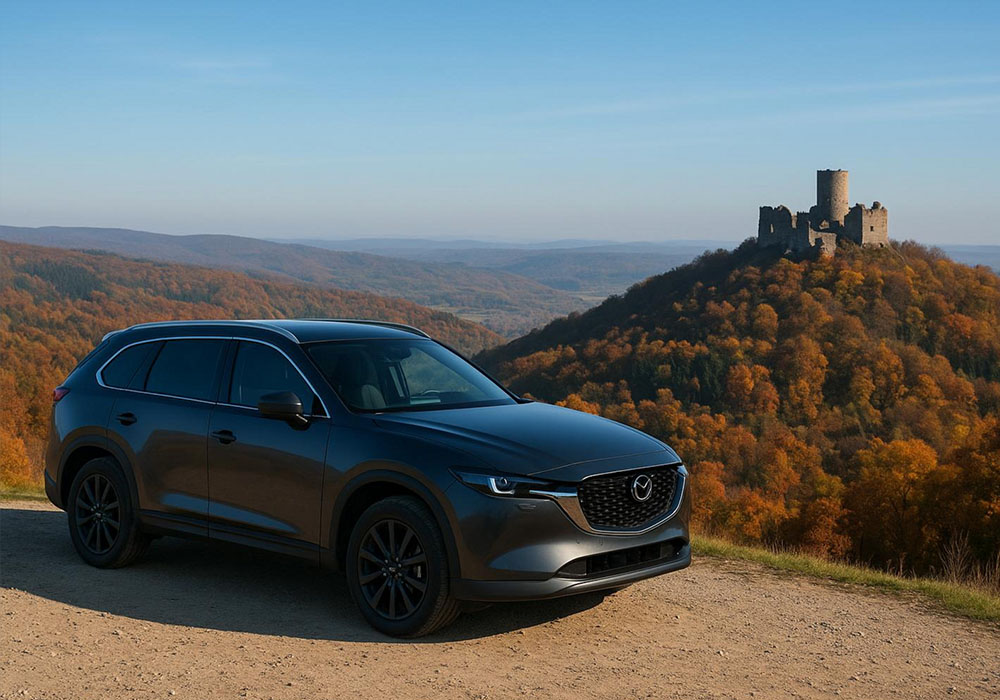
An SUV also has more room for hiking boots, sports equipment, or winter clothing. In late autumn, winter, and early spring, four-wheel drive can provide added confidence on roads affected by snow, ice, or slush.
Minivans for Families and Groups
Families with five or more people, multi-generation groups, and travelers with a lot of luggage may find a minivan or passenger van most useful. These vehicles offer more legroom, sliding doors, and adjustable seats for bags, strollers, and other large items.
A roomy minivan helps everyone stay comfortable on long drives and avoids packing a standard car too tightly. Keeping the group in one vehicle can also reduce fuel, toll, and parking costs.
What Costs and Rental Conditions Should Travelers Check?
Rental prices in Poland are among the lower rates in Europe and are often below prices in Germany and popular destinations in western Europe. Still, the first online price may not show every cost.
Check how the company sets its daily prices, what insurance is included, and which extra fees may apply. This helps you plan your budget and avoid surprises at the rental desk.
Daily Rates, Rental Duration, and Seasonal Pricing
Rental prices in Poland change with demand, although they usually do not rise as sharply as prices at Mediterranean summer resorts. In major airports such as Warsaw and Gdańsk, compact cars often cost about €25 to €35 per day in July and August. Prices may fall to about €15 to €25 in June, September, and October.
The length of the booking also affects the daily price. A week-long rental usually costs less per day than a one- or two-day booking. Reserving several weeks or months before the trip can provide a wider vehicle choice and lower starting prices.
Airport Fees, Fuel Policies, and Mileage Limits
Airport rental offices often add a concession fee or terminal charge because the car is collected at the airport. When comparing prices, check whether the booking has unlimited mileage or a daily driving limit. Extra kilometers can lead to high charges when you return the vehicle.
Read the fuel policy carefully. The clearest option is Full-to-Full: you collect the car with a full tank and return it full. Be careful with Full-to-Empty policies. These charge you for fuel at the company’s rate, and you may not receive money back for fuel left in the tank.
One-Way Rentals Between Polish Cities
If you want to travel across Poland without returning to the airport where you arrived, a domestic one-way rental can help. Many large rental companies allow you to collect a car at Warsaw Chopin Airport and return it at branches in Kraków, Wrocław, or Gdańsk.
The company usually charges a one-way fee to cover the work of moving the car back into its fleet. This raises the total price, but it can still save money by removing the fuel, toll, and extra travel day needed to return to the first city.
Why Comparing Several Rental Companies Prevents Unexpected Costs
Poland’s rental market includes global brands such as Hertz, Avis, Alamo, Budget, and Enterprise, along with local and regional companies such as CarFree, Kaizen Rent, Express Car Rental, and MobiCars. Their rules for deposits, credit card holds, and insurance excess can vary.
Some local companies offer no-deposit packages or accept debit cards. International chains often ask for a credit card in the main driver’s name and enough available credit for the security deposit. Comparing the conditions of several companies online helps you find a suitable mix of price, deposit amount, and service reviews.
What Should Travelers Check Before Booking an Airport Rental Car?
A smooth rental starts before you leave home. Read the company’s opening hours, pickup instructions, and rental rules before your flight. This can save time and prevent confusion at the airport.
A few checks during the booking process can make pickup quick, leaving you ready to begin the drive.
Confirm the Pickup Terminal and Opening Hours
Some rental companies have a desk inside the arrivals terminal, while others work from an off-site location. Check the exact pickup method before booking. An in-terminal desk lets you walk from the baggage area to the counter. An off-site company may provide a short free shuttle ride or arrange a Meet & Greet in the terminal.
Compare the desk’s opening hours with your flight time. Many offices close late at night. If your plane may land near closing time, ask whether after-hours key collection is available and whether an extra fee applies.
Review Cancellation, Late Pickup, and Modification Policies
Flights can be delayed or changed. Try to choose a booking that allows free cancellation or changes up to 24 or 48 hours before pickup.
Enter your incoming flight number during the reservation. Staff can follow the flight and keep the vehicle reserved if the plane arrives several hours late.
Check Border-Crossing and One-Way Travel Permission
Poland belongs to the European Union and the Schengen Area. Travel into nearby countries such as the Czech Republic, Slovakia, and Germany usually has no regular border checkpoint. A rental car still needs the company’s permission before it can cross a national border.
Rental companies normally charge a cross-border fee for extra insurance and breakdown cover outside Poland. Taking a Polish rental car into non-EU countries to the east, including Ukraine or Belarus, is banned by almost all companies because of insurance and security rules.
How Does Airport Car Rental Work in Poland?
Renting a car at a Polish airport follows a standard process. It usually takes little time when your documents are ready. Knowing what happens at pickup and return can make the experience easier.
From comparing prices online to returning the keys, each step helps you get on the road and back to the departure terminal without unnecessary delays.
Compare Vehicles and Prices Online Before Arrival
Booking online well before your flight is often the least expensive way to arrange an airport rental. Rental websites and comparison services let you check prices, gearbox types, trunk space, and customer reviews from several companies.
Early booking also gives you a better chance of finding the vehicle you want. Automatic compact cars, station wagons, and four-wheel-drive SUVs can sell out during summer and the winter ski season.
Choose Airport Pickup and Confirm the Flight Details
During the booking process, select the airport and terminal for pickup and return. Enter your flight number and expected arrival time carefully.
You can also reserve extras at this stage, including child seats, portable GPS devices, and winter items such as snow chains. Ordering them in advance gives the company time to prepare them before you arrive.
Present the Required Documents at the Rental Desk
At the airport desk, you will need several documents to complete the rental agreement:
- Valid Driver’s License: The license usually must have been held for at least one or two years, depending on the company. Licenses using the Latin alphabet are generally accepted. An International Driving Permit (IDP) is needed for licenses in other writing systems and is a good idea for travelers from outside the EU.
- Passport or National Identity Card: Used to confirm your identity and record your travel details.
- Booking Voucher: A printed or digital reservation confirmation showing prepaid items and included conditions.
- Credit Card in Main Driver’s Name: Used for the security deposit. Check that the card has enough available credit and will not expire during the rental.
After the company checks your documents and places a hold for the deposit, you will sign the agreement and receive the rental papers. Staff will then direct you to the car in the airport parking area.
Inspect the Vehicle and Record Existing Damage
Inspect the vehicle before leaving. Compare its condition with the damage already listed on the check-out form.
Walk around the car and look for scratches, marks on the bumpers, dents, and chips in the windshield. Take clear, time-stamped photos and a short video with your phone. Include the outside of the vehicle, the wheel rims, and the dashboard showing the fuel level and odometer. If you find damage that is missing from the form, ask an employee to add it and sign the record before you drive away.
Return the Car at the Agreed Airport Location
At the end of the trip, take the car to the rental return area listed in your agreement. Follow signs for “Car Rental Return” as you approach the airport. This area may be separate from the regular passenger drop-off lanes.
Refill the tank according to the fuel policy at a petrol station a few kilometers from the airport. If possible, stay with the employee during the return check. Confirm the vehicle’s condition and fuel level, then ask for a signed return receipt showing that the car was returned without new damage.
What Insurance and Driving Rules Apply to Rental Cars in Poland?
Driving in Poland is fairly straightforward. The country has well-maintained motorways, clear signs using international symbols, and right-hand traffic. Learning the main traffic rules, roadside procedures, and insurance details will help you drive safely during the trip.
Knowing the local rules also helps you avoid fines and follow Polish law throughout your journey.
Why 24-Hour Roadside Assistance Adds Convenience
Poland has large forest areas, open farmland, and remote border regions where a recovery service may be some distance away. A policy with 24-hour roadside assistance gives you help if you get a flat tire, a dead battery, or a mechanical problem.
Many established rental companies have emergency phone lines with staff who speak several languages. This direct support can be useful when you are far from a city or are unsure what to do after a vehicle problem.
Polish Speed Limits, Toll Roads, and Parking Regulations
Poland applies strict speed limits. Police patrols, unmarked vehicles, and speed cameras monitor many roads. Fines can be high, and the rental company may charge an administration fee for handling a traffic ticket. Common speed limits include:
- Motorways (Autostrady): 140 km/h (87 mph)
- Dual-Carriageway Expressways: 120 km/h (75 mph)
- Single-Carriageway Expressways: 100 km/h (62 mph)
- Open Rural Roads: 90 km/h (56 mph)
- Built-up Urban Areas: 50 km/h (31 mph) at all times, unless a sign shows another limit
- Residential Zones: 20 km/h (12 mph)
Poland has very strict rules about alcohol and driving. The legal blood alcohol concentration (BAC) limit is 0.02%. A level above 0.05% is a serious criminal offense and can lead to prison. Drivers must use dipped headlights or daytime running lights throughout the year. A hands-free system is required for phone calls while driving.
Some motorways, including sections of the A1, A2, and A4, charge tolls. Payment may be made at a toll booth with PLN, EUR, USD, or a credit card, or through electronic systems such as e-TOLL. Cities also have paid parking areas called Strefa Płatnego Parkowania. These are strictly monitored on weekdays. Buy a ticket from a street meter, called a parkomat, and place it clearly on the dashboard, or pay through a mobile parking app.
Driving Safely in Winter and Changing Weather Conditions
Poland has four clear seasons, and each one can bring different road conditions. Summer is often warm, while late autumn may bring rain, fog, and shorter days. Winter can bring freezing temperatures, ice, and heavy snow, especially in the southern mountains and northeastern regions.
Rental companies usually fit winter tires during the colder months. They provide better grip on slush and packed snow. On rural roads near forests and national parks, watch for animals crossing the road, especially moose and deer at dawn and dusk. Driving at a sensible speed and leaving enough space from other vehicles will help keep your Polish road trip safe and enjoyable.