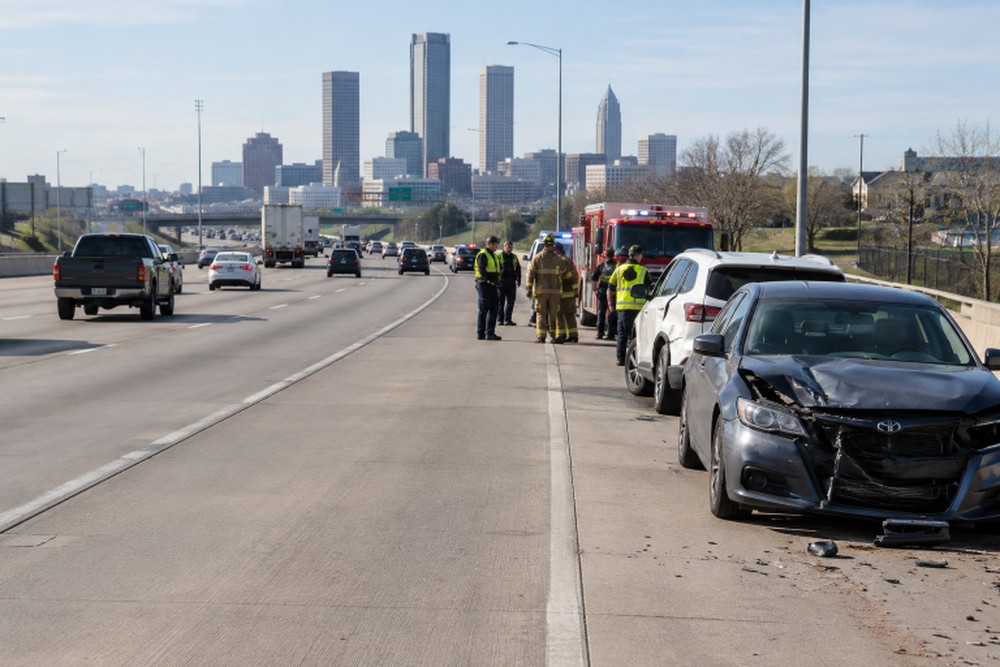
After a collision on a Tulsa expressway, a fall at a local business, a dog bite, or another injury accident, the first few days can feel disorienting. The priority is not to build a legal case at the scene. It is to protect your health, preserve accurate information, and avoid decisions made under pressure. If you later need to understand your options, speaking with an auto accident attorney in Tulsa OK may help you evaluate the circumstances of a serious injury claim.
Tulsa residents often rely on busy roads such as U.S. 75, I-44, and the Broken Arrow Expressway, but injury accidents can happen anywhere. Whether the incident occurred in traffic, a parking lot, a workplace, or a private property setting, a calm plan during the first 72 hours can make the next steps more manageable.
Why the First 72 Hours Matter
The first three days are a critical window for health care, documentation, and follow-up. Memories may become less clear, physical symptoms may change, and nearby cameras may not retain footage indefinitely. A simple record created while the event is fresh can be more reliable than trying to reconstruct details weeks later.
Hours 0 to 24: Put Safety First
At the scene, move away from traffic, fire, unstable structures, or other dangers if doing so is safe. Call 911 when someone may be seriously injured, when emergency assistance is needed, or when law enforcement should respond. Do not move an injured person unless there is an immediate danger, and do not argue with another person involved in the event.
- Move to a safer location when you can do so safely.
- Use hazard lights or other available warnings after a vehicle crash.
- Follow instructions from police, firefighters, paramedics, or property staff.
- Exchange appropriate contact and insurance information when applicable.
- Remain calm and avoid making accusations or admissions of fault.
Get Medical Care, Even When Pain Seems Manageable
Some injuries are not obvious immediately after an impact or fall. Adrenaline, shock, and distraction can make it difficult to recognize pain. Headaches, dizziness, nausea, neck pain, numbness, concentration problems, and sleep changes may develop later. The symptoms of mild traumatic brain injury and concussion can appear right away or hours or days after an injury.
When to Seek Emergency Care
Call 911 or seek emergency medical attention for severe or worsening symptoms, including trouble breathing, chest pain, repeated vomiting, a worsening headache, fainting, confusion, weakness, numbness, slurred speech, seizures, or unusual difficulty staying awake. An article cannot diagnose an injury. When in doubt, a medical professional can assess the situation.
Document the Scene Without Creating More Risk
Only take photographs or gather information when it is safe. Photos can preserve vehicle damage, road conditions, lighting, debris, damaged property, visible injuries, traffic signs, and the wider location. If you cannot safely take pictures, ask a trusted person to help later or focus on getting medical attention.
- Names and contact details for witnesses.
- Contact, insurance, and vehicle details for involved drivers.
- The responding agency and any incident or report number provided.
- The date, time, location, weather, and basic sequence of events.
- Pictures of damaged clothing, personal property, or equipment before disposal or repair.
Write a Private Timeline While Details Are Fresh
As soon as practical, write a factual account of what happened before, during, and after the accident. Include what you saw, heard, and felt, along with the names of people you spoke with. Note when pain began or changed. Avoid filling gaps with assumptions such as “I must have caused it” or “the other driver was definitely speeding” unless you have direct knowledge.
Keep Medical and Financial Records Together
Create one paper folder, email label, or secure digital file for accident-related documents. Keep discharge instructions, prescriptions, appointment summaries, bills, receipts, repair estimates, and communications from insurers or employers. A consistent record can help you remember the course of treatment and understand your own expenses.
- Record each appointment date and provider.
- List symptoms discussed and treatment received.
- Save bills, pharmacy receipts, mileage records, and repair documents.
- Track missed work, schedule changes, and daily activities affected by the injury.
Be Careful During Insurance Conversations
Reporting an accident may be required by your policy, but reporting is different from deciding fault or agreeing to a settlement. Give accurate basic information, but do not guess, exaggerate, minimize symptoms, or sign a document you do not understand. If an insurer asks for a recorded statement or broad medical authorization, consider reviewing the request carefully before agreeing.
If a crash report was prepared, keep the report number and the responding agency’s information. Oklahoma residents can review the state guidance on obtaining collision reports and related records, while remembering that local police agencies may have their own procedures.
Protect Digital Evidence and Limit Public Discussion
Save original phone photos, dashcam video, text messages, rideshare records, electronic receipts, and location history that may help explain what occurred. Make backup copies and avoid editing original files. It is also wise to limit social media posts about the accident, injuries, activities, or claim, since a short post or photo can be misunderstood without context.
Use Hours 48 to 72 as a Review Point
By the second or third day, confirm follow-up medical care and review your records. Check that witness details, photographs, report information, and expense receipts are saved. Continue following medical advice, and tell your provider about physical or emotional symptoms that interfere with sleep, work, driving, or daily routines. Fear, irritability, and poor sleep can follow a traumatic event and deserve attention too.
Common Mistakes to Avoid
- Skipping medical care because pain initially feels manageable.
- Discarding damaged property before photographing it.
- Giving detailed online updates about the incident.
- Guessing about fault or the cause of an injury.
- Accepting quick payment without understanding what it resolves.
- Missing follow-up appointments or ignoring worsening symptoms.
- Waiting too long to learn about possible reporting or claim deadlines.
Frequently Asked Questions
Should I always call the police after an accident?
The answer depends on the facts and applicable rules. Calling law enforcement may be especially important when someone is injured, there is meaningful property damage, accounts differ, a driver leaves, or the situation is unsafe.
What if pain starts two days later?
Contact a healthcare provider and explain when the symptoms began. Delayed pain or other symptoms should be taken seriously, particularly after a head, neck, back, chest, or abdominal injury.
When should I consider speaking with an attorney?
A consultation may be useful when injuries are serious, fault is disputed, several parties may be involved, a death occurred, or an insurer requests a recorded statement, release, or quick settlement. Legal deadlines and insurance requirements can vary.
Conclusion
The first 72 hours after an injury accident in Tulsa can be chaotic, but a practical plan creates order. Prioritize safety, obtain appropriate medical care, preserve relevant evidence, organize records, and communicate carefully. Those steps cannot replace medical or legal advice, but they can help you make clearer decisions during a difficult time.