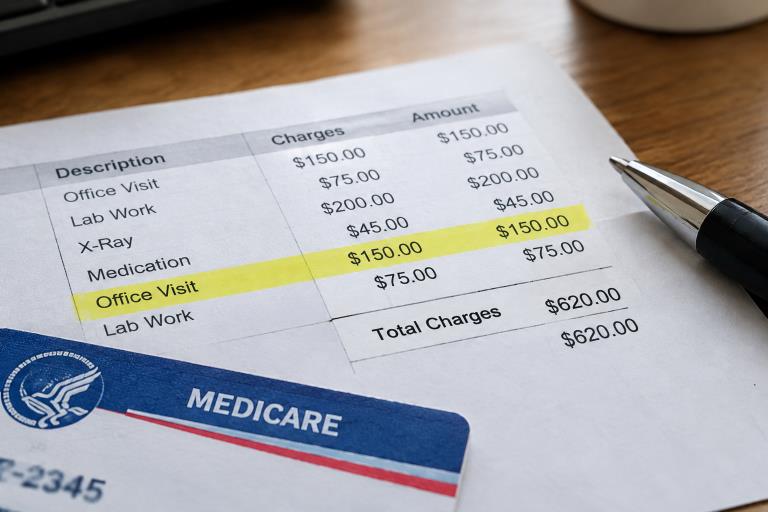
Medicare and Medicaid billing can be complicated, but patients and healthcare workers do not need to be coding experts to notice when something looks wrong. An unfamiliar provider name, a duplicate charge, or a service that never happened can be a reason to ask questions. When a concern appears to involve a broader pattern, speaking with a medicare fraud whistleblower attorney may help a person understand their options and responsibilities.
Not every inaccurate claim is intentional fraud. Clerical mistakes, delayed updates, and coding errors can occur. Still, false or inflated claims can affect patients, divert public healthcare funds, and expose providers and employees to serious consequences. The key is to document the facts, avoid assumptions, and use the right channel to raise a concern.
Why Billing Red Flags Matter
A questionable claim may involve a small difference in a billing code, but repeated conduct across many patients can create substantial losses. In June 2026, the Justice Department announced charges against 455 defendants in a nationwide healthcare fraud enforcement action involving more than $6.5 billion in alleged fraud. The national enforcement action included allegations involving medical equipment, wound care, behavioral health services, telemedicine, and other areas where false claims can cause financial and patient harm.
Medicare And Medicaid Basics
Medicare is a federal health insurance program with different parts of coverage, including hospital coverage, medical coverage, Medicare Advantage plans, and prescription drug coverage. Medicaid is jointly funded by federal and state governments and administered through state-specific programs. Their eligibility rules, benefit designs, payment systems, and reporting processes differ.
That complexity can make statements difficult to read. Claims often use provider identifiers, abbreviations, service dates, and technical codes that do not plainly describe the care received. Patients should compare those details with appointment calendars, prescriptions, receipts, delivery records, and their own recollection of treatment.
Common Fraud Patterns To Watch
Upcoding And Unbundling
Upcoding occurs when a claim seeks payment for a more complex or expensive service than the care provided. For example, a brief office visit might be billed as a lengthy, high-complexity visit. Unbundling involves splitting services that should be billed together into separate charges. A single charge alone does not prove misconduct, but unexplained repetition deserves review.
Billing For Care Or Equipment Never Provided
A claim may list an appointment, laboratory test, therapy session, supply, or medical device that a patient never received. Durable medical equipment, such as braces, catheters, or monitors, should be especially easy to compare against delivery records and personal records.
Unnecessary Services, Kickbacks, And Identity Misuse
Other warning signs include tests or devices pushed without a clear explanation, referral arrangements tied to improper payments, and telehealth claims for visits that never occurred. A person should also be cautious when someone requests a Medicare or Medicaid number without a legitimate reason. Unrecognized claims may indicate an error, but they can also signal misuse of personal health information.
Warning Signs For Patients
- A statement lists care on a date when no appointment occurred.
- The same service or supply appears more than once.
- A provider billed for equipment that was never ordered or delivered.
- A provider pressures the patient to accept a test, device, or treatment.
- A claim identifies an unfamiliar doctor, clinic, laboratory, or supplier.
- A caller asks for a Medicare number in exchange for a “free” service or product.
Review statements calmly and keep the focus on what can be verified. Medicare advises beneficiaries to compare claim dates and services with their calendars and to protect their personal information when reporting Medicare fraud and abuse.
Warning Signs For Healthcare Workers
Employees may see concerns that patients cannot, including pressure to change codes without clinical support, to submit claims before services are provided, to copy documentation between patient records, or to sign forms for care they did not provide. Suspicious referral payments may be labeled as consulting fees, bonuses, marketing expenses, meals, or other ordinary business costs.
For example, a billing clerk may notice nearly identical clinical notes in dozens of patient files, even though the patients received different services on different dates. That pattern is worth preserving and escalating through an appropriate process, but the clerk should not jump to conclusions. Records, context, and clinical review matter.
How Data Helps Find Problems
Government agencies and health plans can compare provider histories, patient locations, billing volume, service dates, and payment patterns to identify unusual activity. A sudden spike in expensive procedures or claims that appear inconsistent with a provider’s specialty may generate a lead for further review.
Data alone does not establish fraud. Investigators may need medical records, billing documents, interviews, and expert review to determine whether claims were inaccurate and why. In July 2026, CMS said its Medicaid Fraud War Room had stopped more than $203 million in potentially improper Medicaid payments during its first 88 days, illustrating how data analysis can help prioritize high-risk activity.
What To Do After Spotting A Problem
- Record the details. Note dates, provider names, claim numbers, amounts, and the services at issue.
- Compare available records. Review statements alongside calendars, receipts, delivery confirmations, and treatment notes.
- Ask focused questions. Contact the billing office and request an explanation without making unsupported accusations.
- Protect original materials. Keep copies in a secure location, but do not alter, destroy, or remove original records.
- Use the appropriate reporting channel. Medicare beneficiaries, Medicaid enrollees, and workers may have different reporting options depending on the program and circumstances.
Healthcare workers should be especially careful with protected health information. Do not send patient files to a personal email account, post them publicly, or collect records beyond what is necessary to document the concern. Screenshots, billing reports, emails, and written instructions may be useful, but privacy obligations still apply.
Common Questions
Is Every Billing Error Fraud?
No. An innocent mistake differs from reckless conduct or deliberate deception. Repeated errors, altered documentation, false claims, and efforts to hide a pattern can raise more serious concerns.
Can A Provider Correct A Mistake?
Yes. Providers can review and correct legitimate errors. A correction may resolve an isolated issue, but it does not necessarily answer questions about a larger pattern of conduct.
What If An Employee Fears Retaliation?
Employees should lawfully preserve relevant information, follow applicable workplace policies, and seek confidential legal guidance before making a formal report. Retention and reporting rules can vary by role, employer, and jurisdiction.
Conclusion
Careful review can catch billing problems early. One unfamiliar charge may be a mistake, while repeated unexplained claims may require closer attention. Patients and healthcare workers can respond responsibly by documenting facts, protecting private information, asking direct questions, and using an appropriate reporting process.