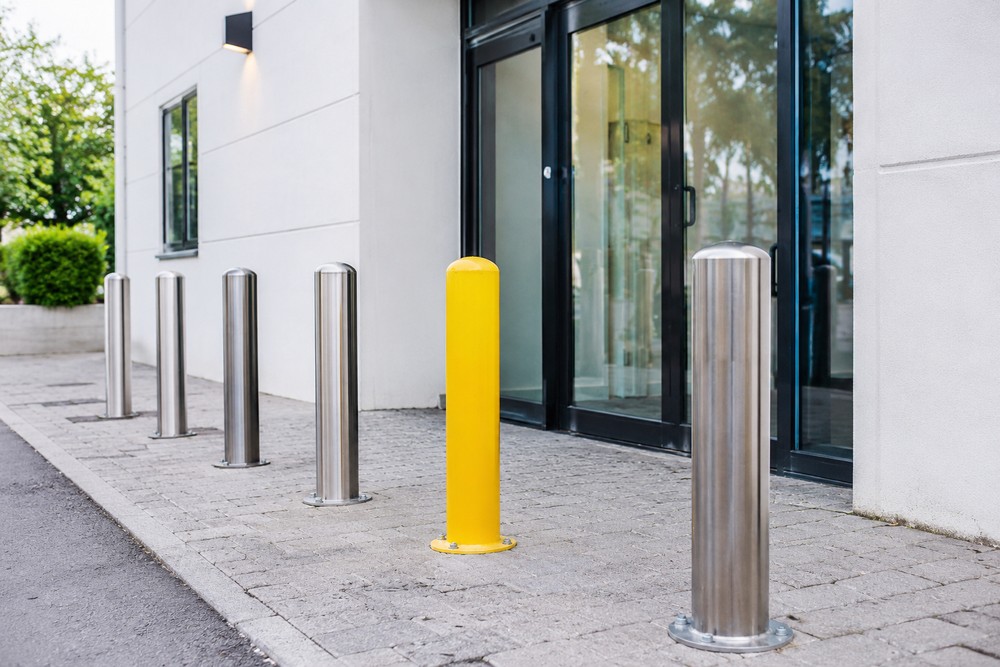
Bollards are critical components in modern urban and industrial environments, serving multiple functions that range from enhancing safety to providing security. These sturdy posts are commonly installed to control vehicle access, protect pedestrians, safeguard buildings, and delineate spaces. This guide explores the different types of bollards, their applications, and the benefits they provide, focusing on the role they play in both safety and security frameworks.
Definition and Purpose of Bollards
Bollards are short, vertical posts usually made from materials such as steel, concrete, or plastic. Their primary purpose is to act as physical barriers that prevent vehicles from entering restricted areas or colliding with vulnerable structures. Beyond vehicle control, bollards are also used as visual guides for traffic management and pedestrian safety, making them indispensable elements in urban planning and facility protection.
Types of Bollards and Their Applications
There are several varieties of bollards designed for specific uses, including fixed, removable, retractable, and flexible bollards. Fixed bollards are permanently installed and provide robust protection, ideal for preventing vehicle access to sensitive areas. Removable and retractable bollards offer flexible options for controlling access where temporary closure or entry is needed. Flexible bollards, typically made from polymer materials, bend upon impact and are used in areas where minor collisions may occur.
Fixed Bollards
Fixed bollards provide a high level of protection. Often constructed from reinforced steel or concrete, these are used to protect buildings, storefronts, and pedestrian zones from accidental or intentional vehicle collisions. Their robust nature makes fixed bollards suitable for critical infrastructure locations requiring maximum security.
Removable and Retractable Bollards
These bollards are designed for flexible access control. Removable bollards can be taken out of their sockets to allow temporary vehicle passage, while retractable bollards can be lowered into the ground when not in use. These types are often employed in areas such as emergency vehicle access routes, parking areas, and private roadways.
Flexible Bollards
Flexible bollards are typically made from plastic or rubber materials that can absorb minor impacts, bending instead of breaking. They are commonly used in parking lots or areas with frequent but low-speed vehicle movement where a full barrier might not be necessary.
Materials and Design Features
The selection of material for bollards depends on the intended application. Steel bollards provide excellent strength and are resistant to collision damage. Concrete bollards offer solid protection but can be bulkier and less aesthetically pleasing. Plastic bollards are lightweight and flexible, suitable for less demanding environments. Often, bollards feature reflective coatings or lighting to enhance visibility, reducing the risk of accidental collisions at night or in poor weather conditions.
Safety Benefits of Bollards
Bollards significantly contribute to pedestrian safety by creating physical separations between vehicular traffic and walkways. They prevent vehicles from encroaching on areas where pedestrians gather, such as outside schools, shopping centres, and parks. In traffic management, bollards assist in guiding vehicles safely through pedestrian-heavy zones, reducing conflict points and accidents.
Security Advantages
In terms of security, bollards act as defensive barriers against vehicle-ramming attacks or unauthorised vehicle entry. Many government buildings, embassies, financial institutions, and commercial facilities employ bollards rated to withstand substantial impacts, ensuring protection from deliberate threats. These security bollards can be tested and certified to comply with international standards for anti-terror barriers.
Installation Considerations
Proper installation of bollards is essential to ensure their effectiveness. Factors such as ground conditions, height, spacing, and proximity to pedestrian pathways must be evaluated. Installation might involve embedding bollards in concrete foundations to provide adequate resistance to impact. Additionally, compliance with local regulations and accessibility standards should be verified before installation.
Maintenance and Durability
Regular maintenance extends the lifespan and functionality of bollards. Depending on material, bollards may require periodic inspection for signs of damage, corrosion, or wear. Steel bollards may need repainting or anti-corrosion treatments, while flexible bollards may need replacement after significant impacts. Routine cleaning also maintains bollard visibility and aesthetic appeal.
Environmental Impact and Sustainability
Environmental considerations are increasingly important when selecting safety infrastructure. Some bollard manufacturers use recycled materials or design products for easy reuse or recycling at end of life. Moreover, installing bollards that reduce vehicle collision risks can contribute indirectly to lowering environmental damage by preventing debris and pollutants from vehicular accidents.
Cost Factors
The cost of bollards varies according to type, material, and security rating. Fixed steel bollards with high-impact resistance generally cost more than plastic or flexible versions. However, considering the potential costs of accidents or security breaches, investing in quality bollards is justifiable for many organisations. When selecting bollards, it is essential to balance cost with effectiveness and intended purpose.
Common Applications of Bollards
Bollards are extensively used in urban centres for pedestrian protection, traffic direction, and property security. They are prevalent outside retail premises, around public transport stops, in school zones, and at government facilities. Industrial sites use bollards to protect equipment and delineate operational zones, while residential developments employ bollards to control visitor parking and maintain security.
Compliance and Standards
Various standards govern bollard performance, especially for those used in security roles. Organisations should ensure that selected bollards meet requirements set by bodies such as ASTM, PAS 68, or similar national standards. Meeting compliance enhances the credibility and effectiveness of the bollards as safety and security measures.
Integration with Other Safety Measures
Bollards function best when combined with other safety and security features such as CCTV cameras, lighting, signage, and alarm systems. Integration creates layered protection, offering better overall risk management. For example, bollards can physically deter intrusions, while cameras monitor activity and alarm systems alert security personnel.
Choosing the Right Bollards
To select the appropriate bollards for a specific site, it is crucial to assess the risks, traffic patterns, and security needs. Consulting with experts and reviewing product specifications helps identify the optimal solution. The use of bollards from reputable suppliers ensures quality and compliance, providing peace of mind to property managers and safety officers.
Conclusion
Bollards are vital elements in the design of safe and secure environments. They provide physical barriers that protect pedestrians and property from vehicle intrusion and mitigate risks of accidents and attacks. Understanding the types, materials, and applications of bollards enables informed decisions that enhance safety and security effectively. Investing in quality bollards, combined with proper installation and maintenance, supports long-term protection in a wide range of settings.