Why the Backyard No Longer Revolves Around a Lone Patio Set
Sometimes a backyard might do without much. The grass, a barbecue with one recalcitrant wheel, and a plastic table that wobbled as someone grabbed for potato salad. That outdoor life is still possible, but not the dream. Today’s backyard is a stage, hangout, dinner party headquarters, and occasionally a sunscreen-wearing second living room, reports 33 Property Management.
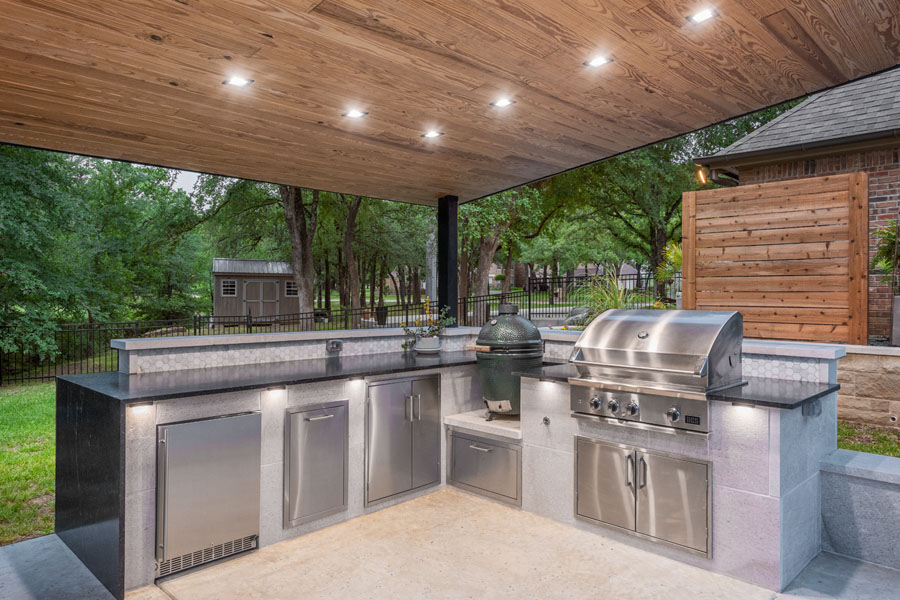
This renovation centers on the outdoor kitchen. A planning anchor, not a fancy addition thrown into a corner. When real outdoor cooking begins, the yard changes. Paths matter more. Seating must perform. Shade becomes a survival tactic instead than a benefit. The backyard is now more than adorned. The choreography.
Food affects everything, so an outside kitchen alters gatherings. Strange groupings of people will gather around heat and refreshments with determination. When a grill, prep counter, sink, or pizza oven appears, customers go toward it. That means the backyard arrangement must accommodate movement, discussion, and the occasional individual who peeks under the cover every 90 seconds.
The Cooking Area Becomes the Command Center
A proper outdoor kitchen has more than a grill by the sliding door. Working zones require careful arrangement. Today, homeowners arrange the kitchen like a command center, choosing a location that links to the house and gives the chef enough space to work without elbowing a planting box.
Yard form alters with this transition. Many designs now start with the kitchen instead of furnishings and filling in the spaces. Which way the grill faces. How close to the dining table should prep surfaces be. Where to clean produce, plate food, and turn around without causing backyard traffic? These questions influence everything else.
After creating a central center, the yard may be organized. Dining rooms are generally close for practical reasons. Nobody wants to maneuver a tray of skewers across three elevation changes and stepping stones. Lounges may move further away to provide a quieter talking area. This generates nested zones with different moods.
Good Layouts Prevent the Backyard Bumper Car Effect
One of the biggest mistakes in outdoor design is assuming open space automatically feels easy to use. It does not. Without clear flow, a backyard can turn into a polite obstacle course full of crossed paths, bottlenecks, and people awkwardly sidestepping each other while balancing drinks.
Outdoor kitchens improve circulation. The arrangement must accommodate people’s frequent movement between cooking, dining, serving, and reclining. Wide pathways are no longer luxuries. They maintain peace. A good house-to-kitchen path helps prevent pandemonium near the grill at a party.
Thoughtful flow prevents the cook from being caught in social circles. Guests adore gathering around the food, but nobody wants six people constructing a human picket fence around the cooking area. Guest may be near the activity without being in the blast zone with smart backyard arrangements. Island seating, side counters, and beverage stations keep people interested and spread out.
The result is a yard that feels natural to move through. You do not have to think about where to walk. You just do it. That is usually the sign that the layout is doing its job quietly and well.
Heat Smoke and Wind Have Opinions Too
Outdoor kitchens may be outside, but nature may not always cooperate. Smoke roams. Wind can beat a flame. A cooking station may become a fiery prison in the afternoon. A effective layout acknowledges these truths rather than hoping they will resolve themselves.
Grill location matters more than most people think. Smoke rapidly becomes an unwanted companion if the cooking area is near windows or sitting. Putting cooking equipment where breezes can move heat and smoke away from gathering areas makes the whole room more comfortable. Covered buildings require planning too. Nobody wins if a pergola looks pretty but traps smoke like an obstinate hat.
Wind exposure matters. Flying napkins and uneven flames can ruin a wonderful open arrangement in certain yards. Strategic barriers, screens, plants, and fences can calm gusts without confining the space. Backyard diplomacy. You bargain with nature to save your burger.
Sunlight deserves equal respect. A cooking zone that bakes under direct afternoon heat may be technically functional but emotionally exhausting. Shade structures, roof extensions, and carefully placed trees can soften the environment and make the kitchen usable for longer stretches of the day.
Utilities Quietly Run the Show
Outdoor kitchens seem elegant when finished, but below the polished worktops and shining appliances is the less glamorous world of infrastructure. It is hard to impress guests with a beverage fridge that has nowhere to plug in. A virtual sink makes washing up much tougher.
Water, gas, drainage, and electricity determine kitchen possibilities. Outdoor kitchens are increasingly considered early in backyard planning rather than added last minute. The layout becomes a practical puzzle as well as a design exercise once homeowners realize how many systems support a full cooking area.
Complexity and expense are typically reduced by housing proximity. Planning a kitchen near utility connections can simplify construction and maintenance. Every arrangement doesn’t have to hug the house’s rear wall like a scared party attendee. Simply put, distance should be purposeful. More help is needed as the kitchen moves farther.
Lighting is another underestimated layout player. An outdoor kitchen used solely in daylight is one thing. A kitchen for nighttime dinners, festivities, or late summer lazing needs task, ambient, and safe path illumination. Nobody likes to season steaks by moonlight and optimism.
Materials Must Handle Real Life With Style
A backyard kitchen lives in a world of weather, spills, grease, pollen, dust, and the occasional dramatic thunderstorm. Material choices matter because the space has to work hard while still looking inviting.
Durable surfaces matter. Sun, dampness, and regular usage must be withstand by countertops. Cabinetry should not complain about temperature changes. Outdoor appliances must be functional, not just pretty. The best backyard plans combine usefulness with durable finishes.
Material choices alter the yard’s atmosphere. Kitchens with stone seem anchored and solid. Smooth metal adds modernity. Wood accents add warmth and prevent industrialism. It’s not enough to install durable materials. The goal is to integrate the kitchen with the home and landscape.
When the materials are chosen well, the kitchen starts to blend into the environment in a satisfying way. It feels permanent, not temporary. It feels like part of the home, not like a camping experiment that got out of hand.
The Best Backyards Now Offer More Than One Mood
Powerful outdoor kitchens frequently inspire greater projects. When a yard has a substantial cooking area, people imagine its potential. Possible informal breakfast corner. Maybe a nighttime fire feature. Perhaps a covered lounge where someone may read while others discuss charcoal vs. gas like a constitutional issue.
Modern backyards include numerous usage zones for this reason. One area may facilitate cooking and short chat. Another may recommend lengthy meals. A separate space can be used for gaming, resting, or silence. These places need not be large. To feel intentional, they require enough identity.
Connecting them visually and physically keeps the yard cohesive. Consistent materials, recurring colors, coordinated lighting, and smart pathway arrangement may make the backyard feel like one cohesive space rather than a hodgepodge of different ideas with matching patio furniture.
Outdoor Kitchens Are Changing Everyday Habits
Behavioral effects of outdoor kitchens may be the most intriguing. They alter family home utilization. People stay outside longer when they have everything. Less rushed weeknight dinners. Hosting is simpler when the host isn’t running between inside and outdoor venues like a caffeinated relay runner.
These kitchens also foster casual gatherings. Cooking becomes fun instead of concealed. Food is made as guests speak. Kids move in and out. Someone takes a counter stool and stays. Everything is more casual and lively.
That shift influences layout decisions in lasting ways. Backyards are no longer being planned as occasional-use spaces. They are being treated like daily living areas that happen to sit under the sky. And once that mindset takes hold, every square foot starts to matter more.
FAQ
Why does an outdoor kitchen affect the whole backyard layout
Because it becomes a central activity zone. Once cooking, prepping, serving, and socializing happen in one area, the rest of the yard must support movement, seating, shade, and comfort around it.
What should be placed closest to an outdoor kitchen
Dining areas usually make the most sense nearby since they benefit from easy serving access. Prep counters, storage, and a small spot for casual seating also work well close to the cooking zone.
How can a backyard layout keep guests from crowding the grill
Separate gathering points help a lot. Bar seating, drink stations, side counters, and nearby lounge seating allow people to stay involved without clustering directly around the cook.
Is a covered outdoor kitchen always better
Not automatically. Shade and shelter improve comfort, but the structure must allow heat and smoke to escape properly. A beautiful cover that traps smoke can make the space frustrating to use.
Why do utilities matter so much in outdoor kitchen planning
A full outdoor kitchen often needs electricity, water, drainage, and sometimes gas. These systems influence where the kitchen can go, how expensive it is to build, and how convenient it is to use long term.
Can a small backyard still include an outdoor kitchen
Yes, absolutely. A compact yard can still support a well-designed cooking area if the layout is efficient. Even a modest setup with smart storage and clear circulation can have a big impact on how the space functions.