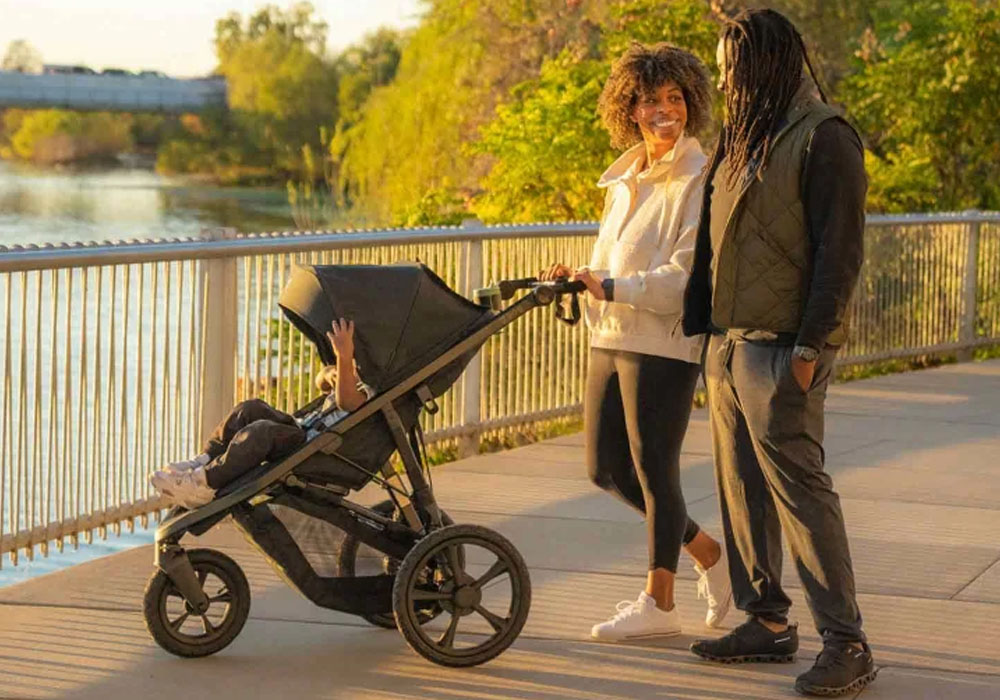
A pram is not just a set of wheels with a basket underneath. It is the tool you use every single day for walks, errands, and naps on the go. Several children in Australia have died after a pram rolled away from a parent’s control. That single fact should shape how seriously you take this purchase. When you find the right baby pram, treat the brakes and harness as the two features that matter most, not the color of the fabric.
The Five-Point Harness Is Not Optional
A proper pram harness wraps around the waist, over both shoulders, and between the legs. Anything less leaves gaps a wriggling baby can slip through. I have seen parents skip buckling the harness for a quick five-minute errand, thinking it is fine for such a short trip. It is not fine. Falls happen fastest in the moments when nobody expects them, which is exactly why the harness exists in the first place.
Brakes Save Lives, Not Just Convenience
Runaway prams are a real and repeated cause of serious injury, not a rare freak accident. Look for a parking brake with a clear red lever, one that locks with a single confident push. Test it on a slight slope before buying if the store allows it. A brake that only half-engages on flat carpet will fail you completely on a sloped driveway or a train platform.
Weight Limits Exist for a Reason
Most prams carry babies up to around 9 kilograms comfortably, though this varies by model and stage. Hanging shopping bags off the handles seems harmless, and almost every parent does it at some point. It shifts the center of gravity though, and that shift can tip a pram backward with a baby still inside. Use the basket underneath instead. It sits low and keeps the whole frame stable.
Recline Position Matters More Before Six Months
A newborn cannot hold their head up, so an upright, non-reclining stroller position is unsafe for babies under six months. Their chin can drop to their chest and restrict breathing without anyone noticing right away. A pram that reclines fully flat protects the airway properly during this stage. Once your baby has strong neck control, a more upright seating position becomes fine to use.
Three Wheels or Four, Here Is My Take
Three-wheelers steer beautifully and handle rough footpaths well, but consumer testing has found they tip sideways more often than four-wheel models, especially on turns or curbs. Four-wheelers feel steadier for everyday footpath walking and grocery runs. I would pick a four-wheeler for city use and save the three-wheeler for parents who genuinely jog with their pram on smoother trails.
Gaps and Pinch Points Hide in Plain Sight
Run your fingers along the folding hinges and frame joints before you ever put a baby inside. Small gaps can trap tiny fingers during folding or steering. This sounds like an obvious check, yet it is the step most parents skip entirely while comparing colors and price tags in a busy store aisle. Thirty seconds of checking now saves a pinched finger later.
Second-Hand Prams Need a Full Inspection
A hand-me-down pram can be a smart save, but inspect the frame for cracks, the wheels for wobble, and the harness for fraying before trusting it with your baby. Confirm it still meets the current Australian Standard AS/NZS 2088, since older models sometimes predate current safety rules entirely. If the folding lock feels loose or unreliable, that pram belongs in storage, not on the footpath.
The Real Priority List
Rank your decision this way: harness first, brakes second, recline third, everything else after. Cup holders and matching diaper bags are nice extras, not deciding factors. A pram checked against these basics will carry your baby safely through thousands of walks, and that reliability matters far more than how it looks in a photo.